Cats Uncovered Quiz





.jpg)






Quiz Complete!
Whiskerless Wonders: The Hidden Science and History of Cats

Cats have a talent for being both familiar and mysterious. One minute they are curled up like a warm, purring ornament, and the next they are racing through the hallway in a burst of zoomies. Their calm stare from a windowsill can feel like a private joke you were not invited to. Behind those everyday moments is a mix of ancient history, finely tuned biology, and subtle communication that makes cats fascinating companions.
The story of domestic cats begins thousands of years ago, likely in the Near East, where wildcats took advantage of rodents drawn to early grain stores. Unlike many domesticated animals, cats probably domesticated themselves to some extent by choosing to live near people. Over time, humans welcomed their pest control skills, and cats spread alongside trade routes. They became cultural symbols too, from revered figures in ancient Egypt to sailors’ good luck charms and beloved characters in modern books and films.
A cat’s body is built for stealth and precision. Their flexible spine and powerful hind legs support sudden leaps and quick turns. Retractable claws stay sharp because they are protected when not in use, and the rough tongue helps strip meat from bones and groom fur efficiently. Hunting behavior still shows up in play: stalking, pouncing, and batting toys mimic real prey capture. Even well fed cats may hunt, because the drive is instinctive rather than purely about hunger.
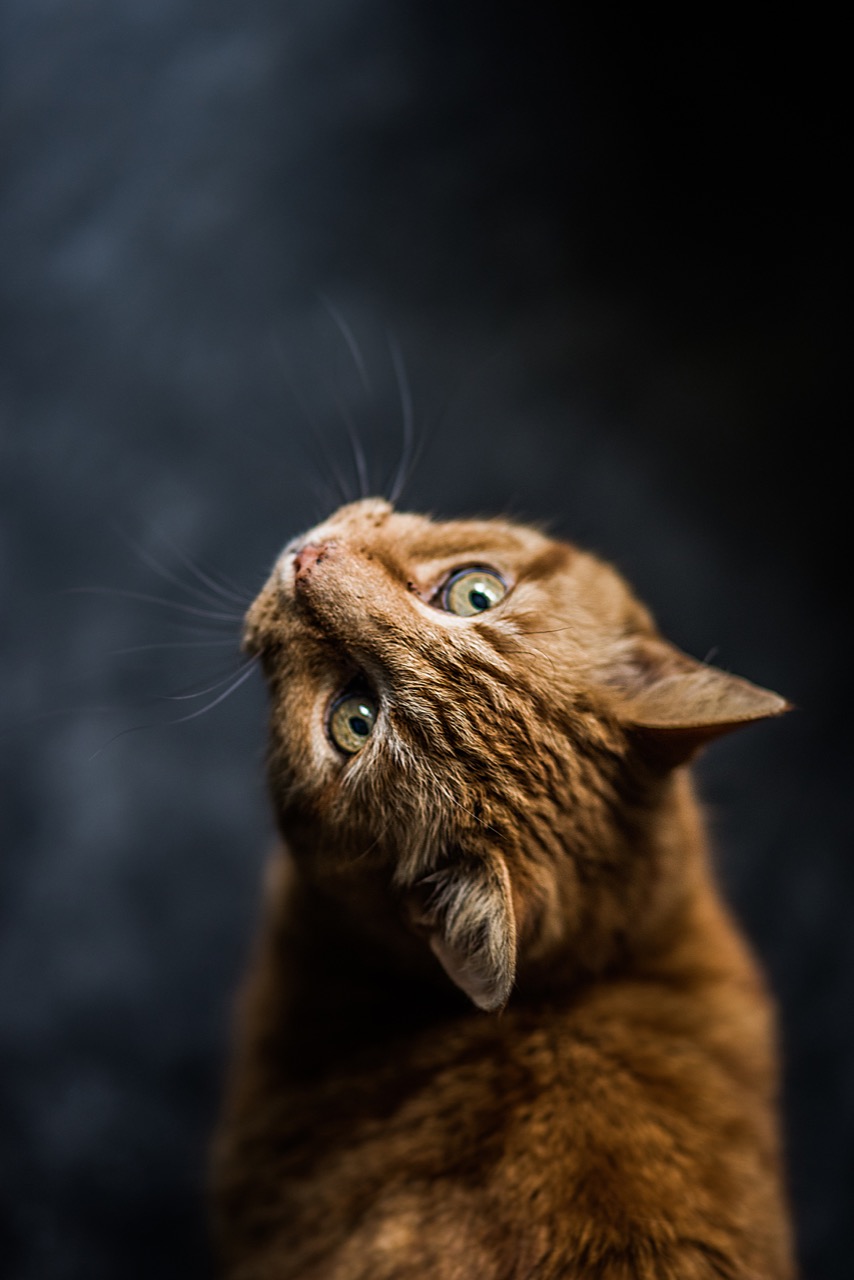
Cats experience the world through remarkable senses. Their night vision is enhanced by a reflective layer behind the retina called the tapetum lucidum, which boosts available light and causes the familiar eye shine. They do not see in complete darkness, but they can navigate in low light far better than humans. Their whiskers are not just decoration; they are sensitive tools that detect air movement and help judge whether a cat can fit through a space. Hearing is another superpower. Cats can detect high frequency sounds that many prey animals make, and their ears rotate to pinpoint where a sound comes from.
Much of cat communication is quiet and indirect. The tail acts like a mood banner: an upright tail often signals friendly confidence, while a puffed tail can mean fear or arousal. Slow blinking is frequently a sign of relaxation and trust. Ears angled forward suggest interest, while flattened ears can indicate stress or defensiveness. Kneading, the rhythmic pushing of paws, is commonly linked to kittenhood, when nursing kittens knead to stimulate milk flow. Many adult cats keep the habit as a comfort behavior, often when they feel safe.
Health and care basics can make a big difference in a cat’s quality of life. Regular veterinary visits, parasite prevention, and dental care help avoid problems that cats often hide until they are advanced. Enrichment matters too: scratching posts protect furniture and provide exercise, interactive play supports healthy weight, and safe climbing spaces satisfy their need to observe from above. Because cats are sensitive to change, consistent routines and gentle introductions to new people, pets, or environments can reduce stress.
Cats may seem like whiskerless wonders at times, but their quirks usually have a reason rooted in evolution and experience. Understanding the science behind the stare, the knead, and the midnight sprint can make living with a cat even more rewarding. The more you learn, the more their secretive charm starts to feel like a language you can actually read.