Frisky Feline Trivia Sprint



Quiz Complete!
Whiskerless Wonders: The Science and Stories Behind Our Household Cats
Introduction Cats move through our homes like they own the floorplan, and in a way, they do. Behind the quiet pawsteps and sudden bursts of energy is a highly specialized hunter that adapted to living alongside people. Understanding how cats sense the world, communicate, and form habits makes their oddest behaviors feel less mysterious and a lot more impressive.
From grain stores to living rooms Domestic cats likely began their partnership with humans thousands of years ago when wildcats were drawn to rodents around early farming settlements. People benefited from pest control, and cats benefited from a steady food source and safer territory. Unlike many domesticated animals, cats largely domesticated themselves by choosing to live near humans while keeping much of their independent nature. Over time, this relationship shaped culture, from revered status in ancient societies to modern internet fame.
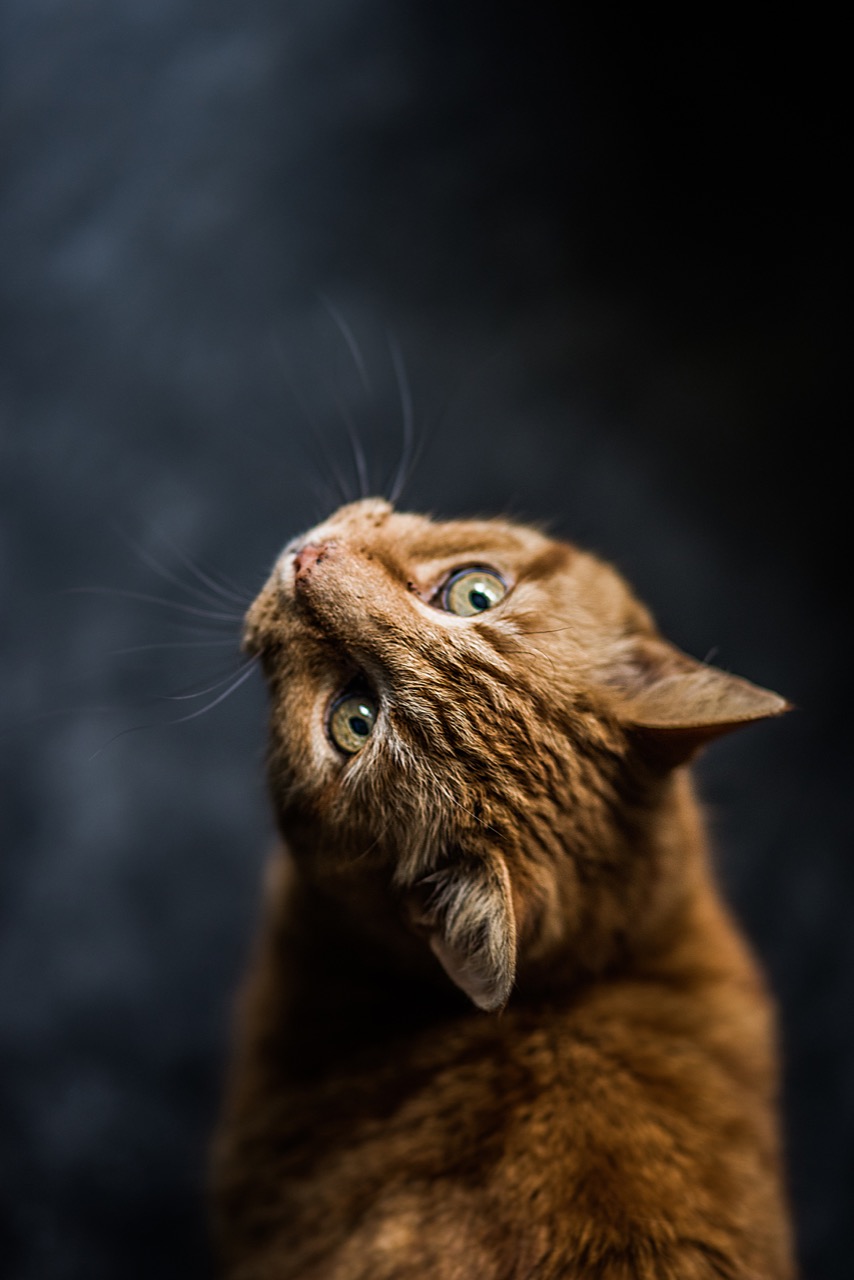
Senses built for stealth A cat’s senses are tuned for hunting at dawn and dusk. Their eyes are adapted for low light, helping them detect movement when it is dim. Their hearing is especially sharp, able to pick up high pitched sounds that small prey make. Whiskers, despite the quiz title, are a major navigation tool: they help cats judge gaps, sense airflow, and detect nearby objects even in darkness. The nose matters too. Cats have a specialized organ in the roof of the mouth that helps them analyze scent signals, which is why you may see a cat pause with an open mouth in a strange grimace.
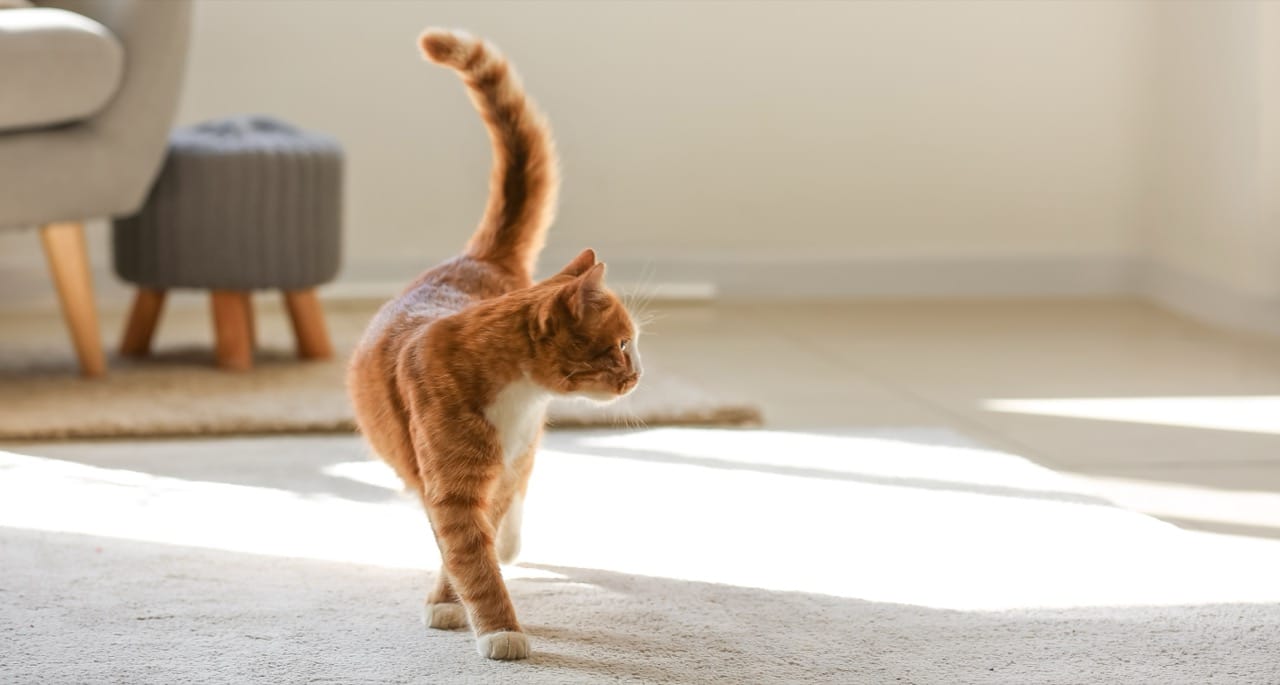
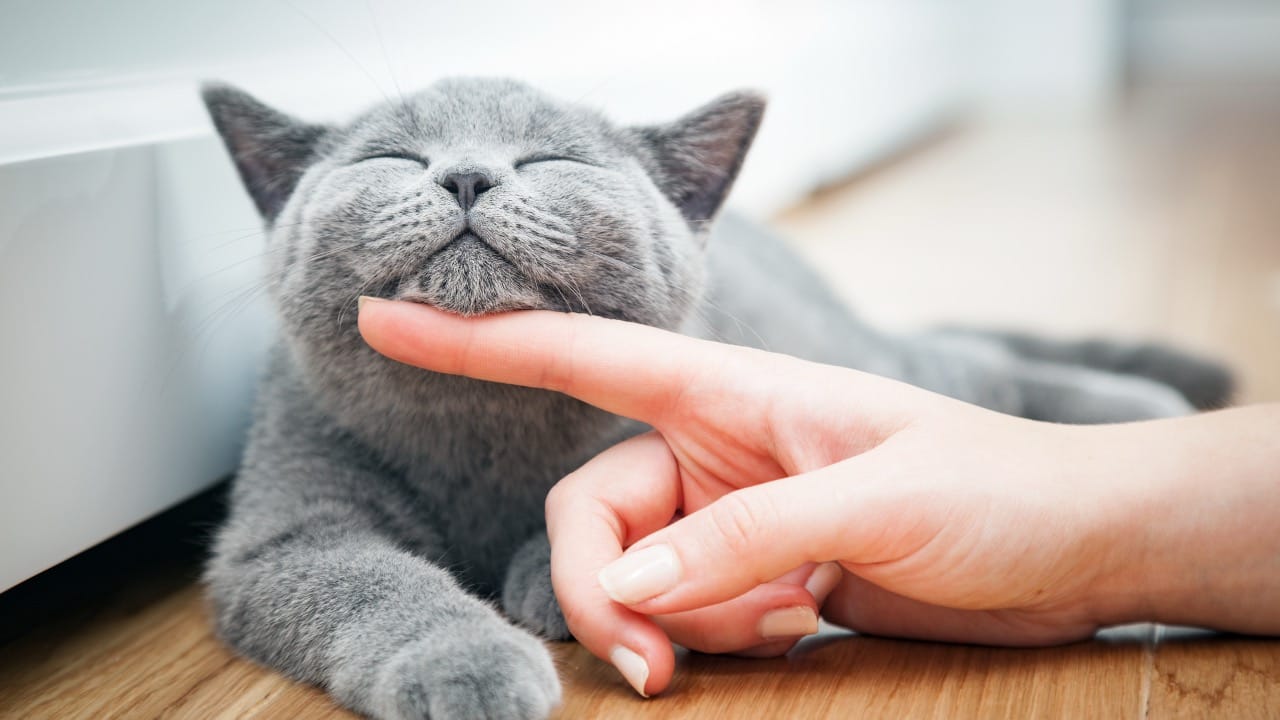
Communication: more than meows Cats communicate through body language, scent, and sound. Meowing is often aimed at humans, while cats tend to use other signals with each other. A slow blink can signal comfort and trust. Tail position, ear angles, and posture reveal mood quickly: an upright tail often indicates friendly intent, while flattened ears can warn of fear or irritation. Scent marking is a quiet but powerful message system. Rubbing cheeks on furniture or people deposits facial pheromones that can signal familiarity and reduce stress.
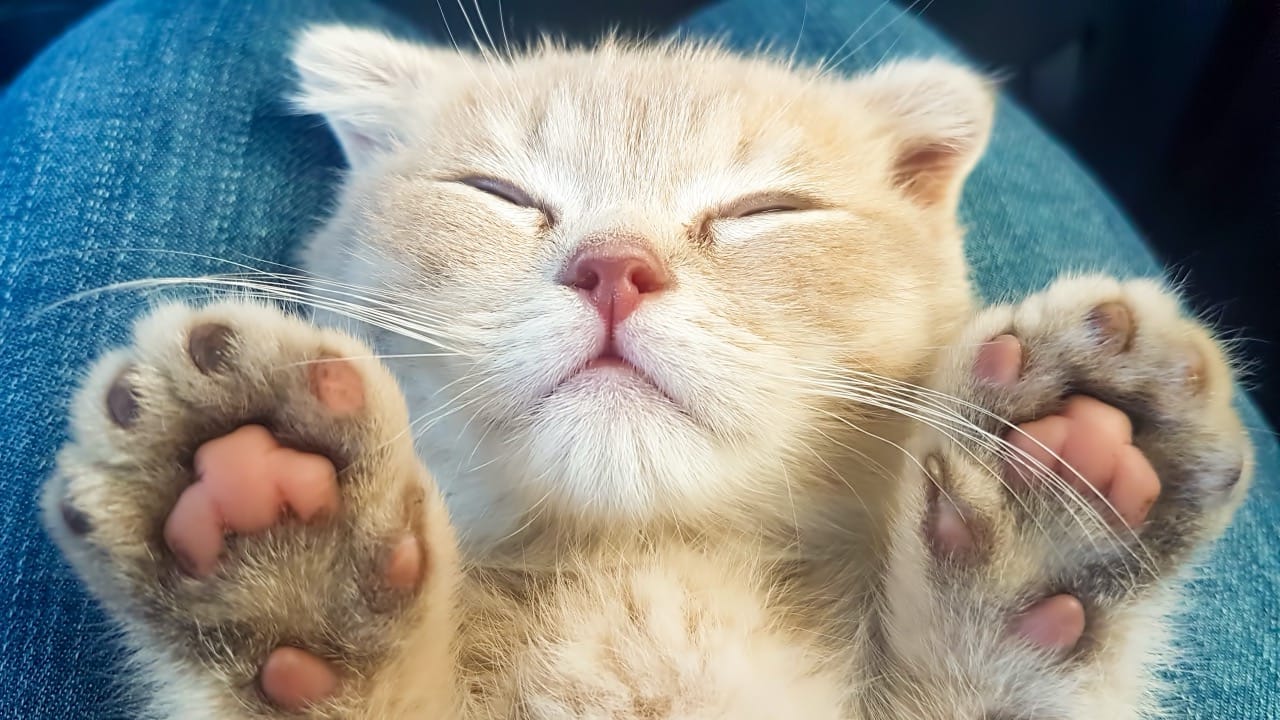
Why they knead, chirp, and zoom Kneading blankets is thought to come from kittenhood, when nursing kittens knead to stimulate milk flow. Many adult cats keep the habit as a comfort behavior. The chirping or chattering sound some cats make at birds may reflect excitement and frustration, or an instinctive vocal pattern linked to hunting. Then there are midnight zoomies. Cats are crepuscular, meaning they are naturally most active at dawn and dusk, and indoor life can shift that energy into late night sprints, especially if playtime is limited during the day.
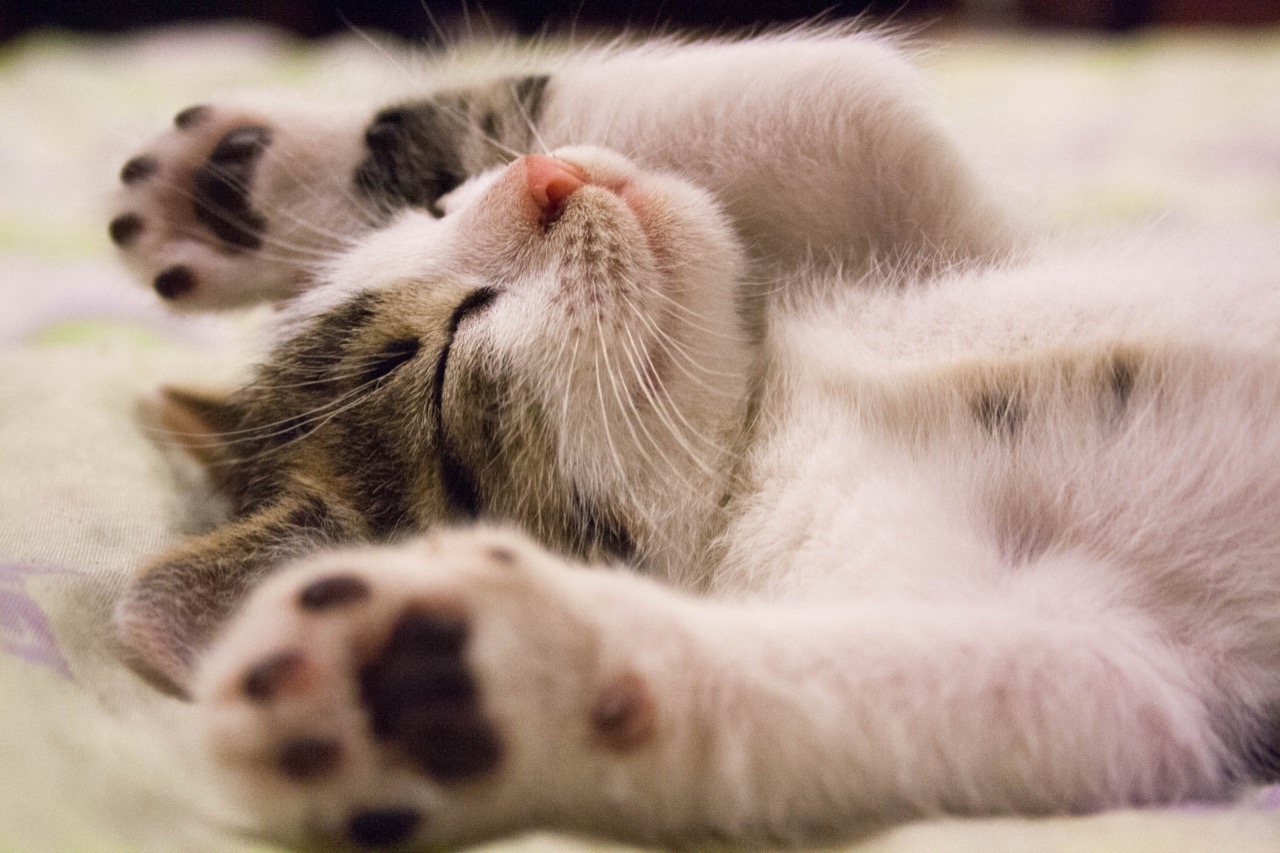
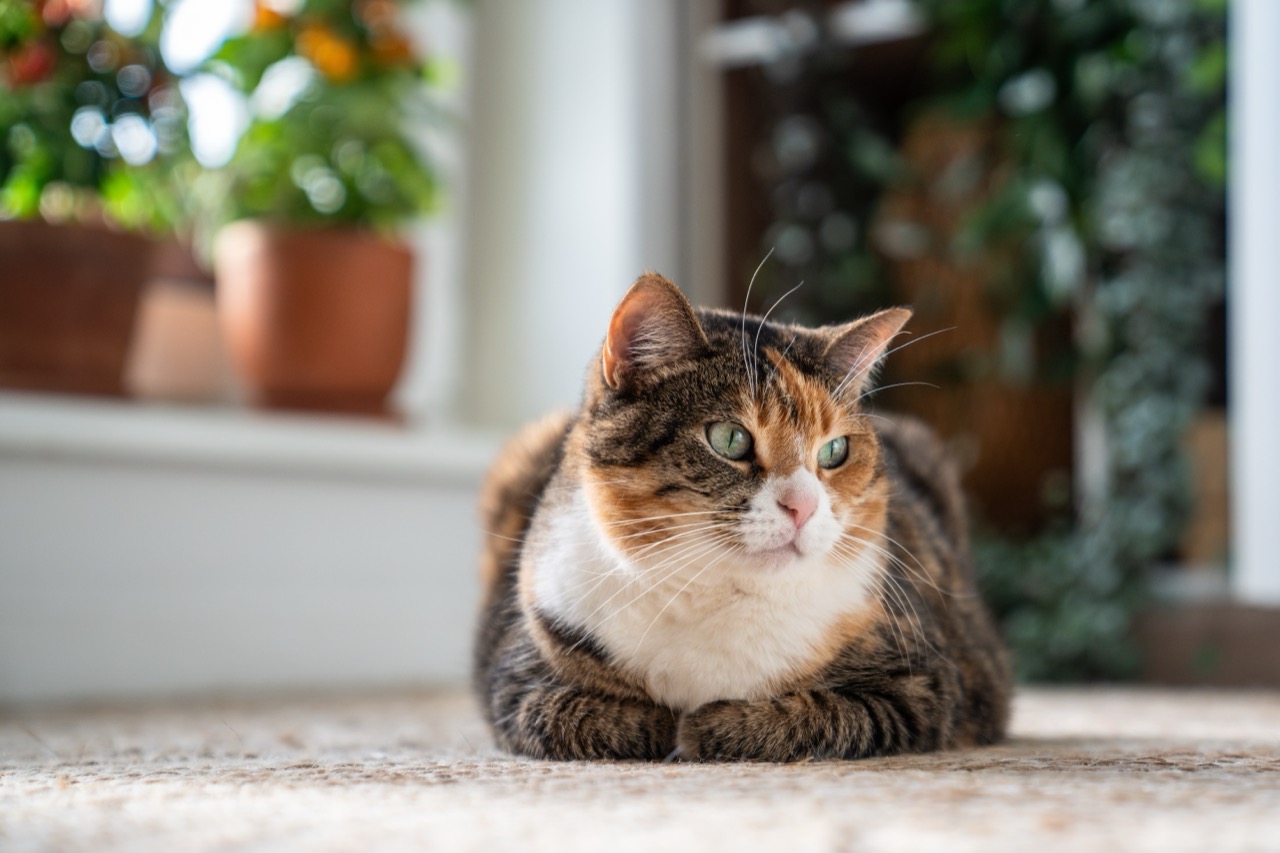
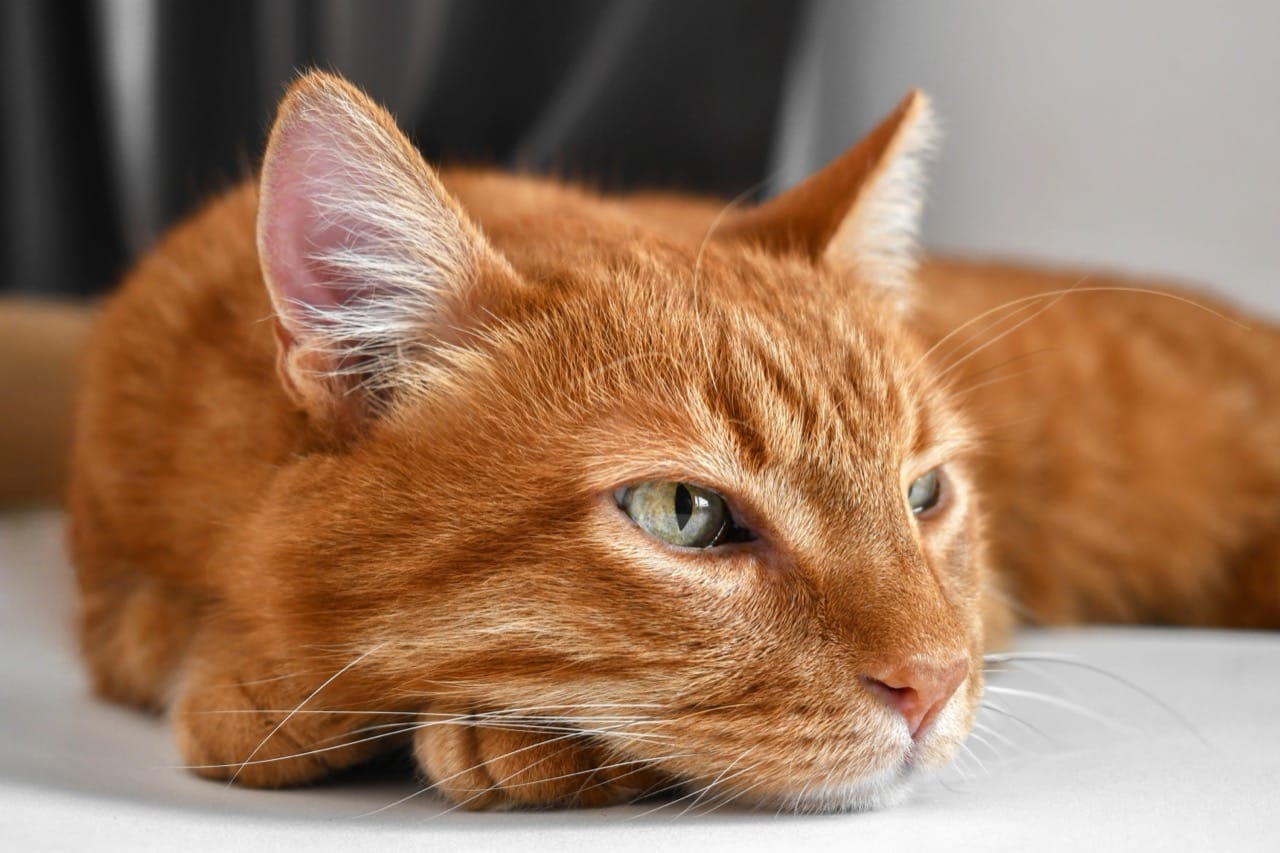
Sleep, coats, and common myths Cats sleep a lot, often 12 to 16 hours a day, but much of that can be light dozing. This conserves energy for short intense bursts of activity. Coat patterns also tell stories. Orange coloration is linked to genetics on the X chromosome, which is why orange cats are more often male. Tortoiseshell and calico patterns are more common in females for similar genetic reasons. As for myths, cats do not always land on their feet, and milk is not ideal for most adult cats, many of whom are lactose intolerant.
Conclusion Cats combine wild instincts with a unique talent for living close to humans on their own terms. Their behaviors, from staring at you while you work to choosing the warmest spot in the house, make more sense when you see the biology and history behind them. The more you learn, the more every tail flick, slow blink, and sudden sprint becomes part of a fascinating story you get to witness daily.