Top Cat Trivia Challenge




.jpg)




Quiz Complete!
Whiskerless Wonders: The Science and Stories Behind Cats
Introduction Cats move through our homes like quiet little athletes: curious, calculating, and often convinced they own the place. Their calm confidence hides a toolkit of specialized biology and a long history alongside humans. Understanding how cats communicate, sleep, hunt, and even choose a cardboard box can make their everyday behavior feel less mysterious and far more impressive.
Biology built for stealth A cat’s body is designed for ambush. Flexible spines and powerful hind legs allow explosive bursts of speed and remarkable jumps. Cats can leap several times their own height because their back legs act like springs and their spine extends to lengthen each stride. Their paws help them move silently; soft pads muffle sound, and retractable claws stay protected until needed for traction or grabbing prey.
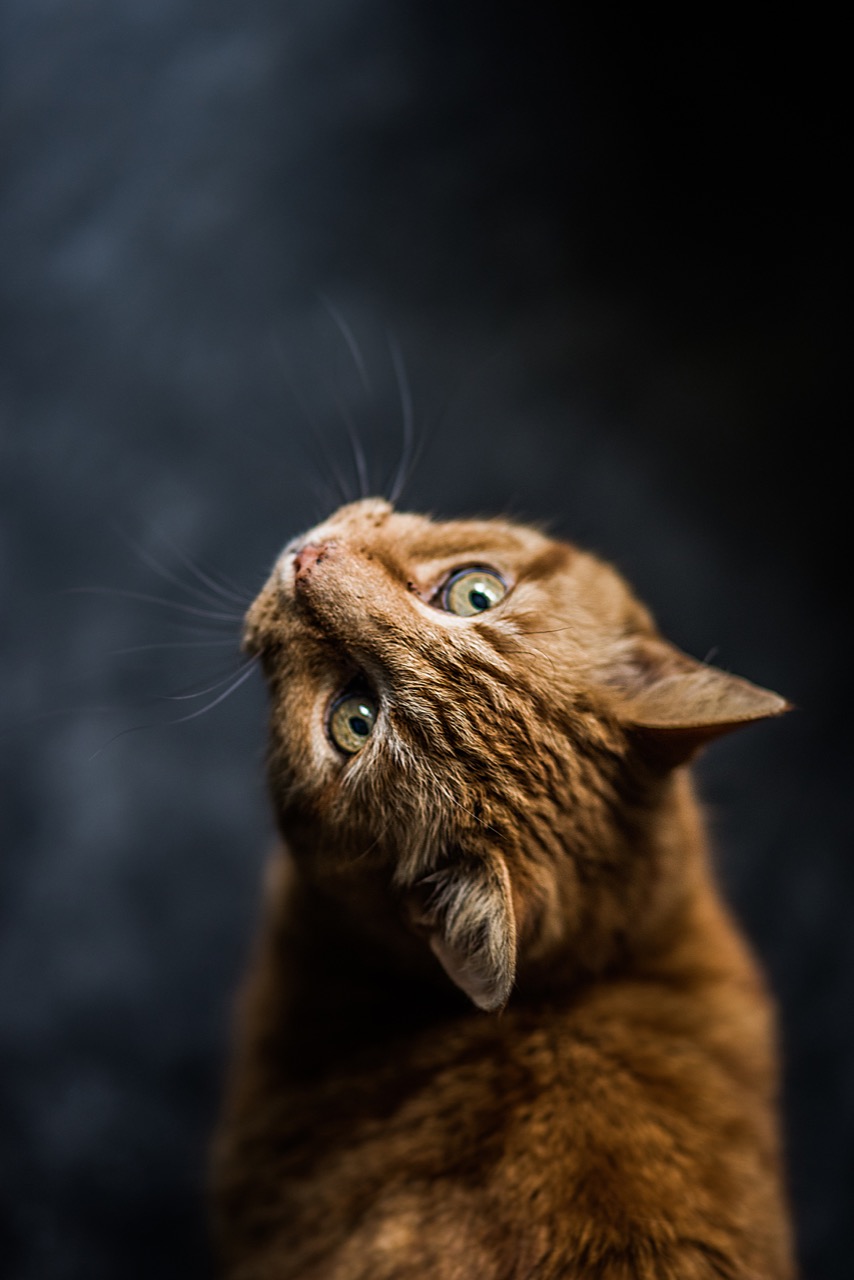
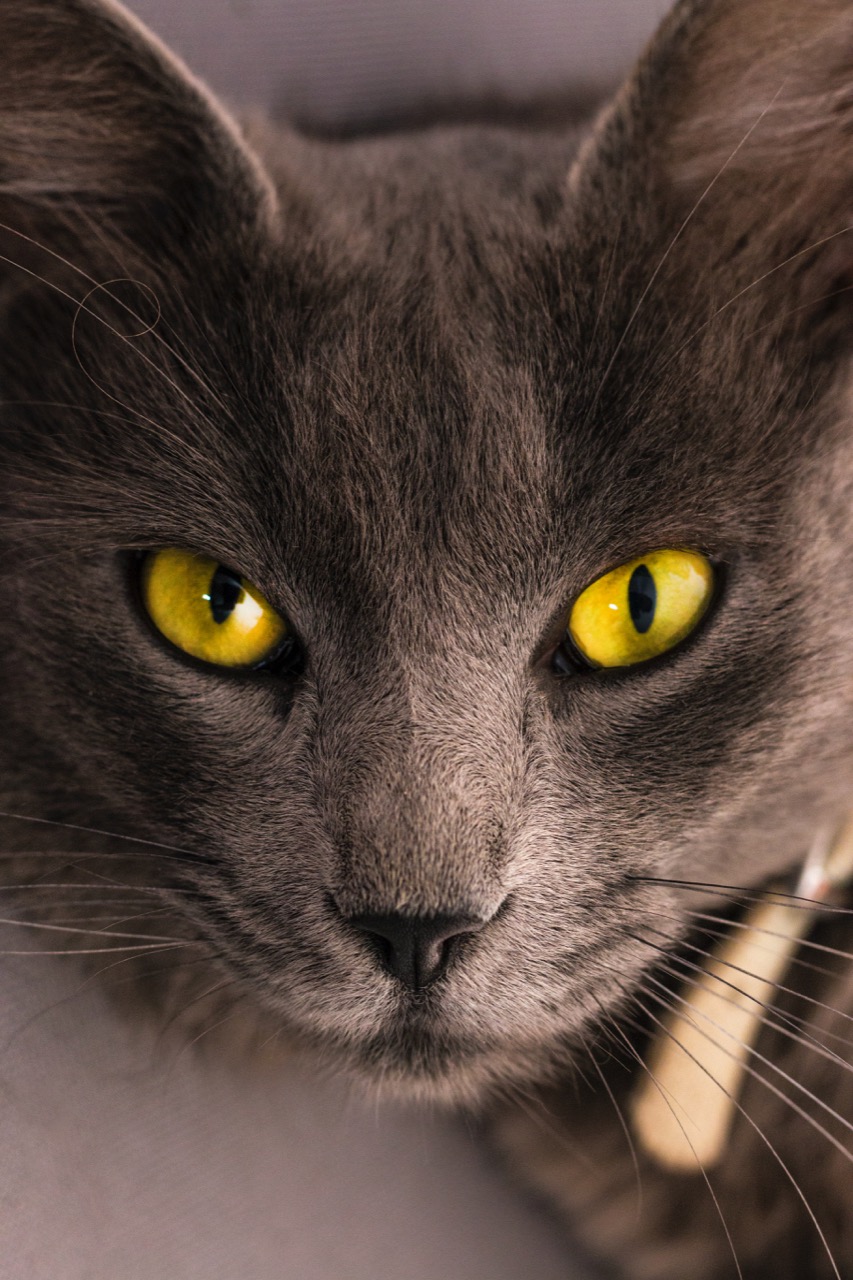
Night vision and glowing eyes Cats are famous for seeing in low light, but they do not see in complete darkness. What they do have is a highly light sensitive retina and a reflective layer behind it called the tapetum lucidum. When light enters the eye, this layer reflects it back through the retina for a second chance at detection. That reflection is what makes a cat’s eyes appear to shine at night when a light hits them.
Communication without words Cats are often described as independent, yet they are highly communicative. Ears forward usually signal interest; ears flattened can indicate fear or irritation. A tail held upright is often a friendly greeting, while a puffed tail suggests alarm. Slow blinking is commonly interpreted as a relaxed, trusting signal. Vocalizations vary too. Many cats reserve frequent meowing for humans rather than other cats, using it as a learned tool to get attention, food, or access.
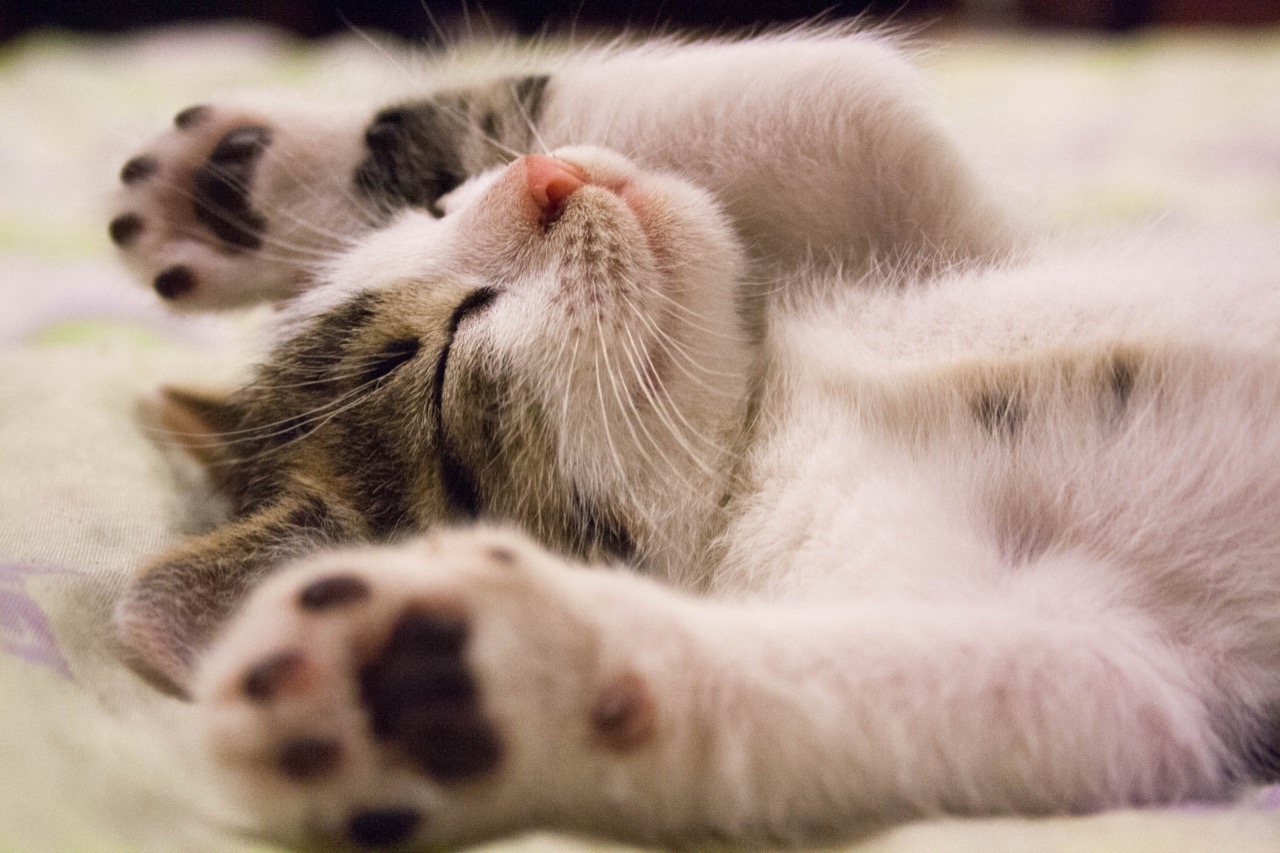
Sleep, energy, and the hunter’s schedule Cats sleep a lot, commonly 12 to 16 hours a day, and some sleep even more. This is not laziness so much as an energy strategy. As natural hunters, they conserve energy for short, intense activity. Their most active periods often occur at dawn and dusk, matching the times when many prey animals are active. Even indoor cats may show these rhythms, racing around the house when the rest of the household is winding down.
Grooming and scent: hygiene with a purpose A cat’s tongue has tiny backward facing structures that act like a comb, helping remove loose fur and debris. Grooming also spreads oils that keep the coat insulated and water resistant. Just as important, grooming helps manage scent. Cats rely heavily on smell, and they use scent glands on the face, paws, and body to mark familiar areas. When a cat rubs its cheek on furniture or on you, it is often depositing scent markers that signal comfort and belonging.
Boxes, territory, and stress relief The classic cat in a box is more than a joke. Enclosed spaces provide warmth, security, and a strategic vantage point. A box can reduce stress by offering a hiding place and limiting visual stimulation, which helps a cat feel in control. This is one reason newly adopted cats often seek small, sheltered spaces while they adjust.
Cats and humans through time Cats likely began their partnership with humans by following rodents drawn to early farming settlements. Over centuries, people encouraged their presence as pest control, and cats gradually adapted to living near us. Today, they still carry the instincts of a solitary hunter, even when they are cherished companions.
Conclusion Cats are a blend of precision engineering and subtle social signals. Their glowing eyes, silent steps, and expressive body language are not random quirks but tools shaped by evolution and a long relationship with humans. The more you learn about their senses, sleep patterns, and communication, the more every purr, pause, and box nap becomes part of a fascinating story worth exploring.