Kitty IQ Challenge





Quiz Complete!
Whiskerless Wonders: The Science and Stories Behind Cat Behavior
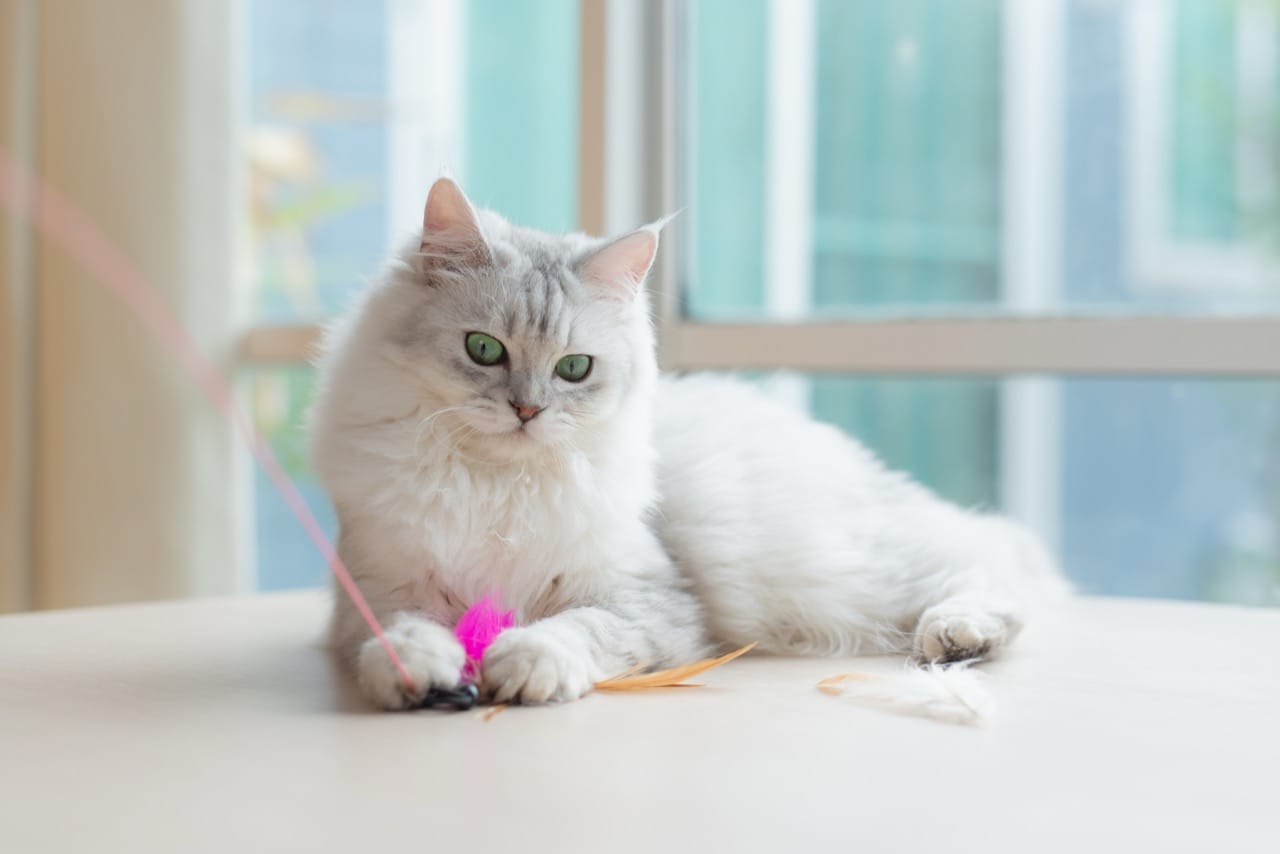
Introduction Cats can feel like tiny royals sharing our homes: quiet footsteps, sudden bursts of speed, and long stares that seem to carry opinions. Yet behind the mystery are practical reasons rooted in biology, communication, and a long history alongside humans. Understanding a few key facts makes everyday cat behavior more predictable and a lot more fascinating.
Senses built for a hunter A cat’s body is tuned for ambush. Their hearing is extremely sensitive, helping them detect high pitched sounds like small prey. Their eyes are adapted for low light, which is why they often become more active at dawn and dusk. They also use smell in ways we easily miss. Scent glands on the cheeks, paws, and base of the tail allow cats to mark familiar places and people. When a cat rubs its face on you or furniture, it is often leaving a comforting scent signal rather than simply asking for attention.
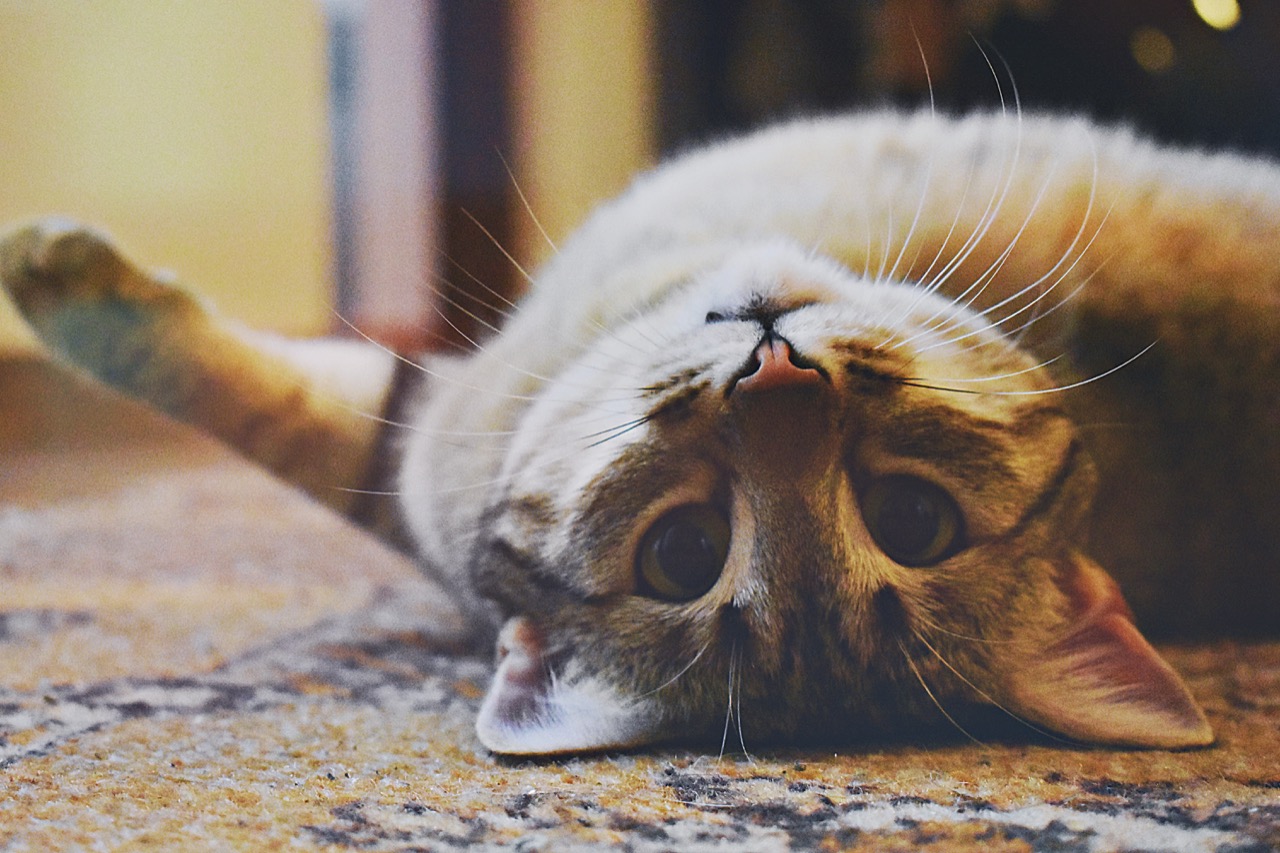
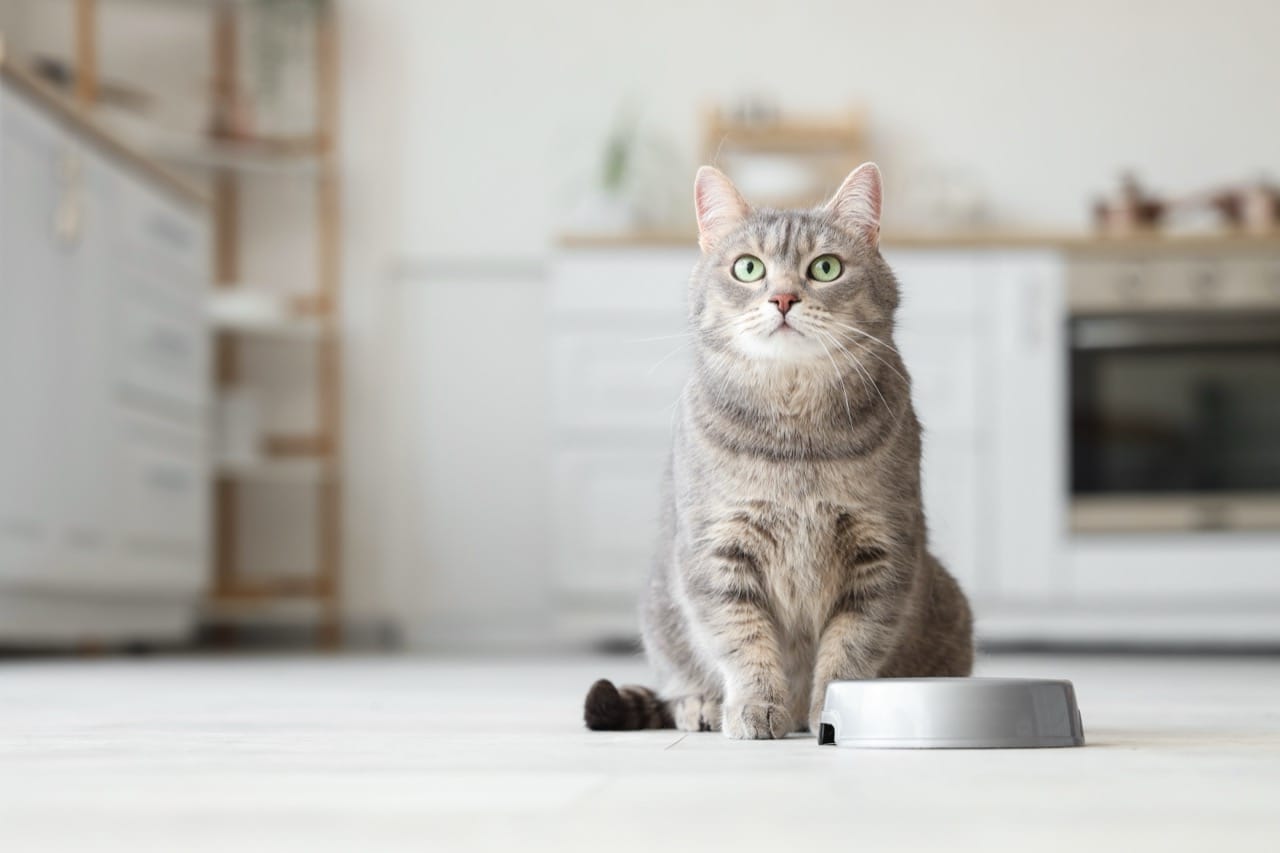
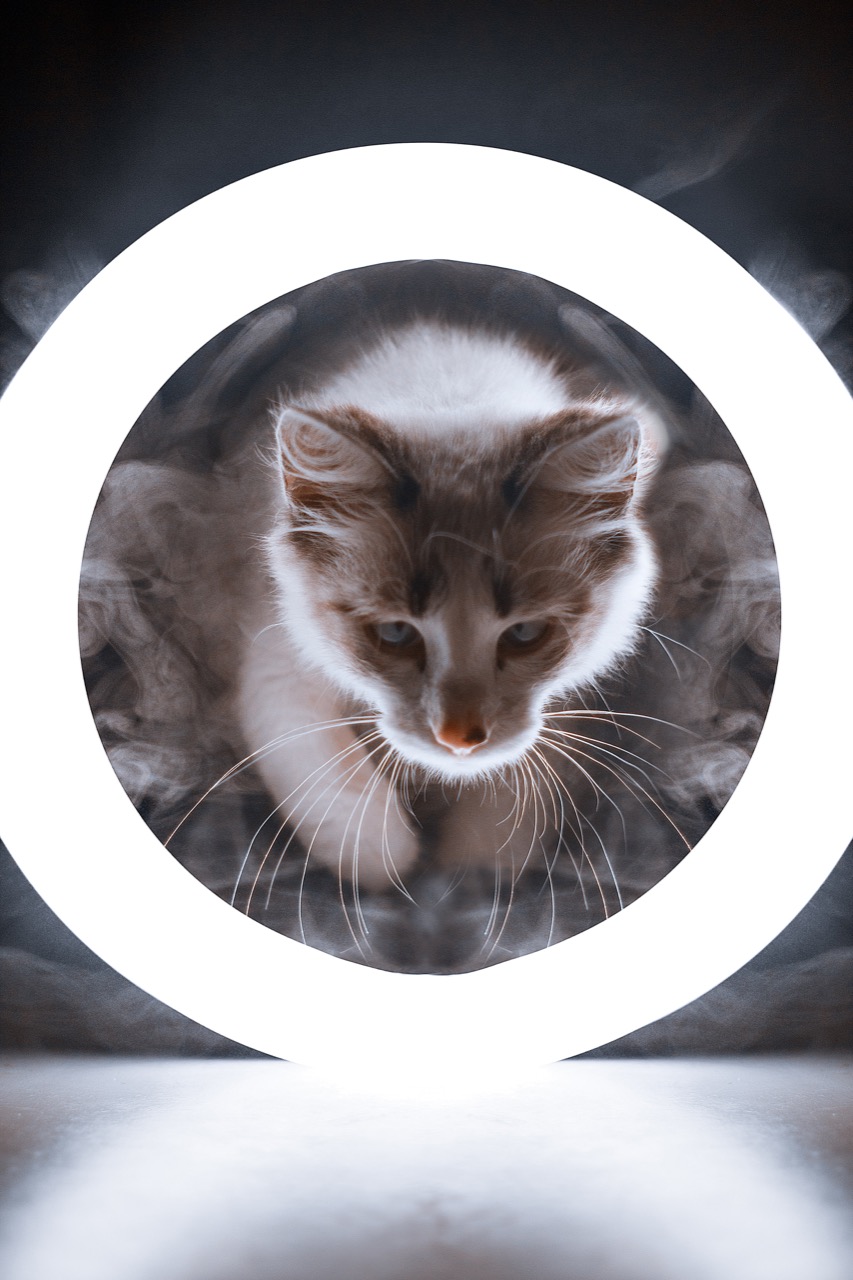
Whiskers are more than decoration Whiskers are specialized hairs connected to nerves that help cats judge space and airflow. They can assist with navigating tight areas and sensing nearby movement. This is why whisker stress can happen when a cat repeatedly bumps its whiskers against narrow food bowls. A wide, shallow dish can sometimes make mealtimes more comfortable.
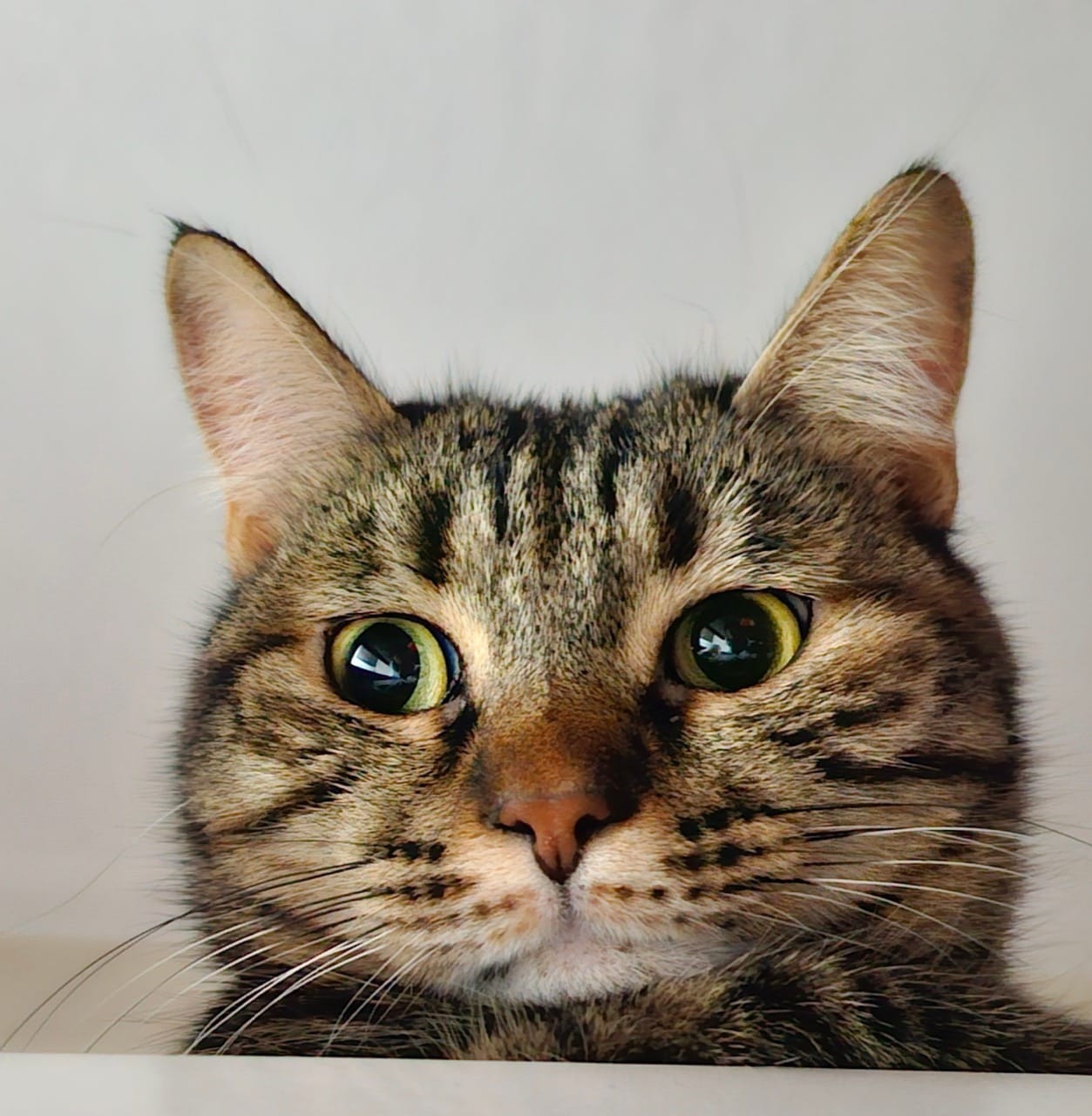
Communication: purrs, tails, and slow blinks Cats communicate with a mix of sound and body language. Purring is commonly associated with contentment, but cats may also purr when stressed or in pain, possibly as a self soothing behavior. Tail position matters too: a relaxed upright tail often signals friendliness, while a puffed tail can indicate fear or excitement. One of the clearest friendly signals is the slow blink. When a cat slowly closes and opens its eyes while looking at you, it is often showing trust. Many cats will slow blink back if you do it first.
Zoomies, kneading, and other quirks The famous zoomies are sudden sprints that can look chaotic but often serve as a release of energy, especially for indoor cats. Short play sessions that mimic hunting, like wand toys with pauses and pounces, can reduce late night racing. Kneading, the rhythmic pushing of paws, is linked to kittenhood nursing behavior and can be a sign of comfort. Some cats drool or purr while kneading, which may look odd but is usually harmless.
Myths and surprising truths One persistent myth is that cats are always aloof and untrainable. In reality, many cats respond well to positive reinforcement and can learn tricks, come when called, or use puzzle feeders. Another myth is that cats always land on their feet. They do have a righting reflex, but falls can still cause serious injury, especially from medium heights where they do not have time to fully adjust.
Cats in culture and record breaking feats Cats have traveled a long cultural road, from revered animals in ancient societies to internet celebrities today. Their popularity is not just about cuteness; their adaptability and cleanliness make them well suited to living close to humans. Record style feats also highlight their athleticism. Cats can jump several times their own height, squeeze through surprisingly small gaps, and maintain balance with a flexible spine and tail that acts like a counterweight.
Conclusion The next time your cat stares, sprints, or gently head bumps you, there is a good chance it is following instincts shaped by evolution and refined by life with people. Learning the basics of feline senses, signals, and habits turns everyday moments into clues about what your cat is thinking. That mix of science and mystery is exactly what makes cats such enduring household legends.