Crown of the Northern Forest Quiz
Quiz Complete!
Crown of the Northern Forest: Getting to Know the Moose
Introduction Few animals look as if they were designed by committee, yet the moose somehow makes it work. With long legs built for wading, a heavy body, and a nose that seems too large for its face, this northern forest giant is both awkward and impressive. It is also remarkably well adapted to life in cold, watery landscapes. Understanding how moose live, eat, travel, and survive harsh seasons makes spotting one feel like meeting a true specialist of the North.
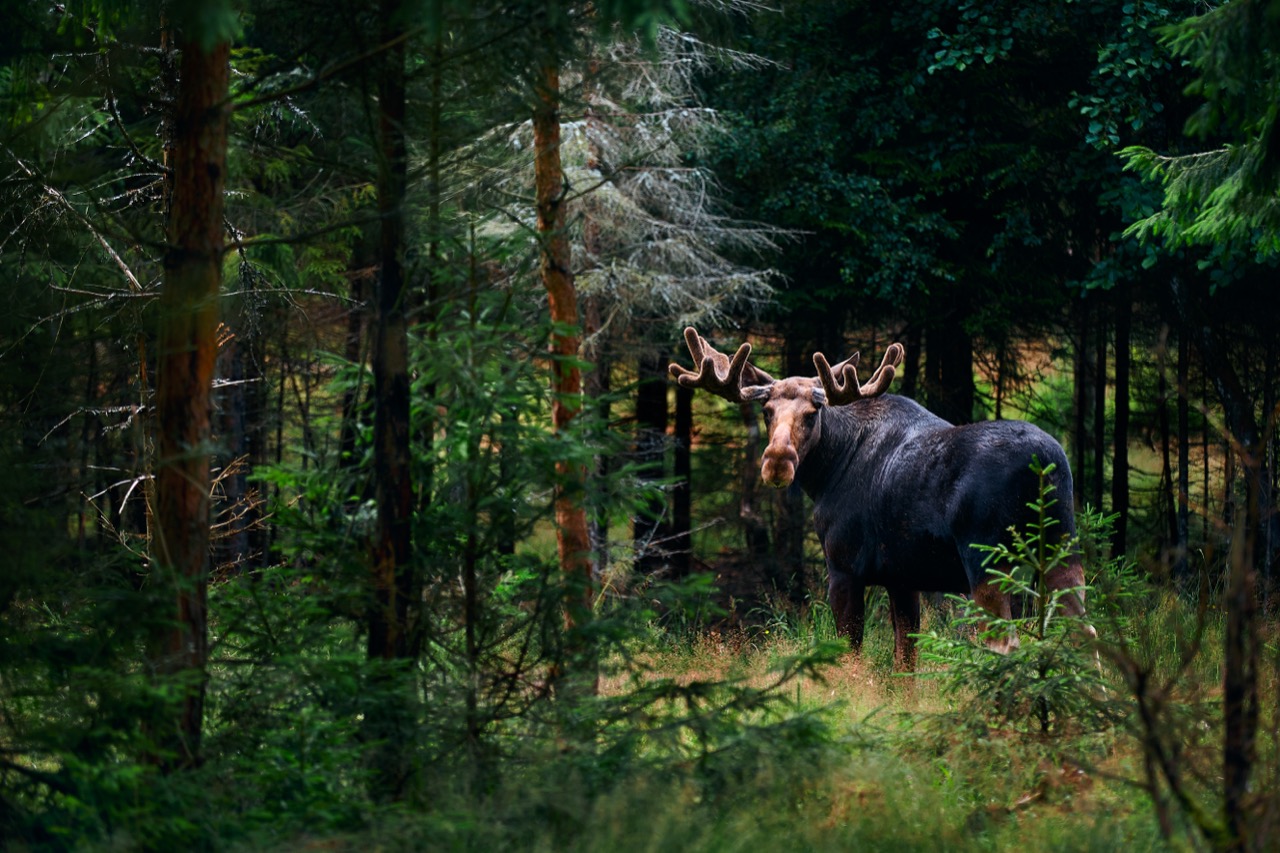
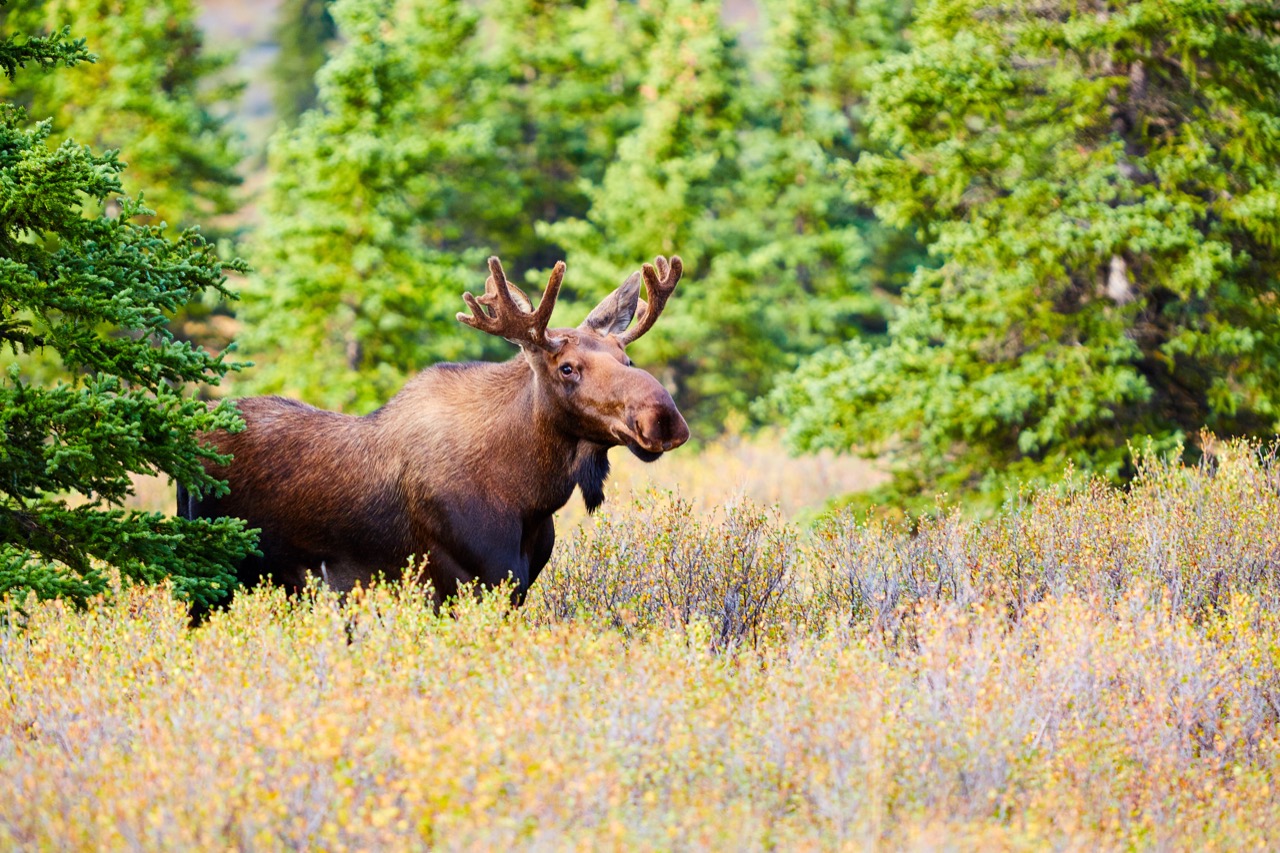
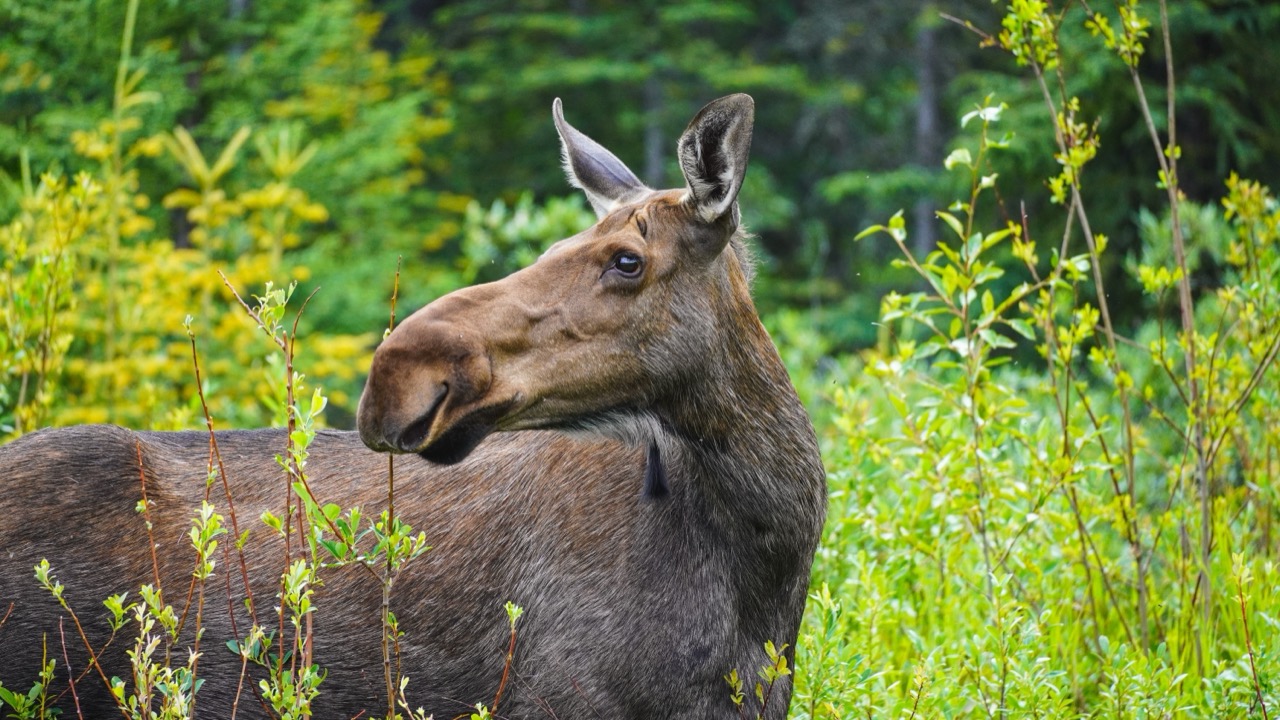
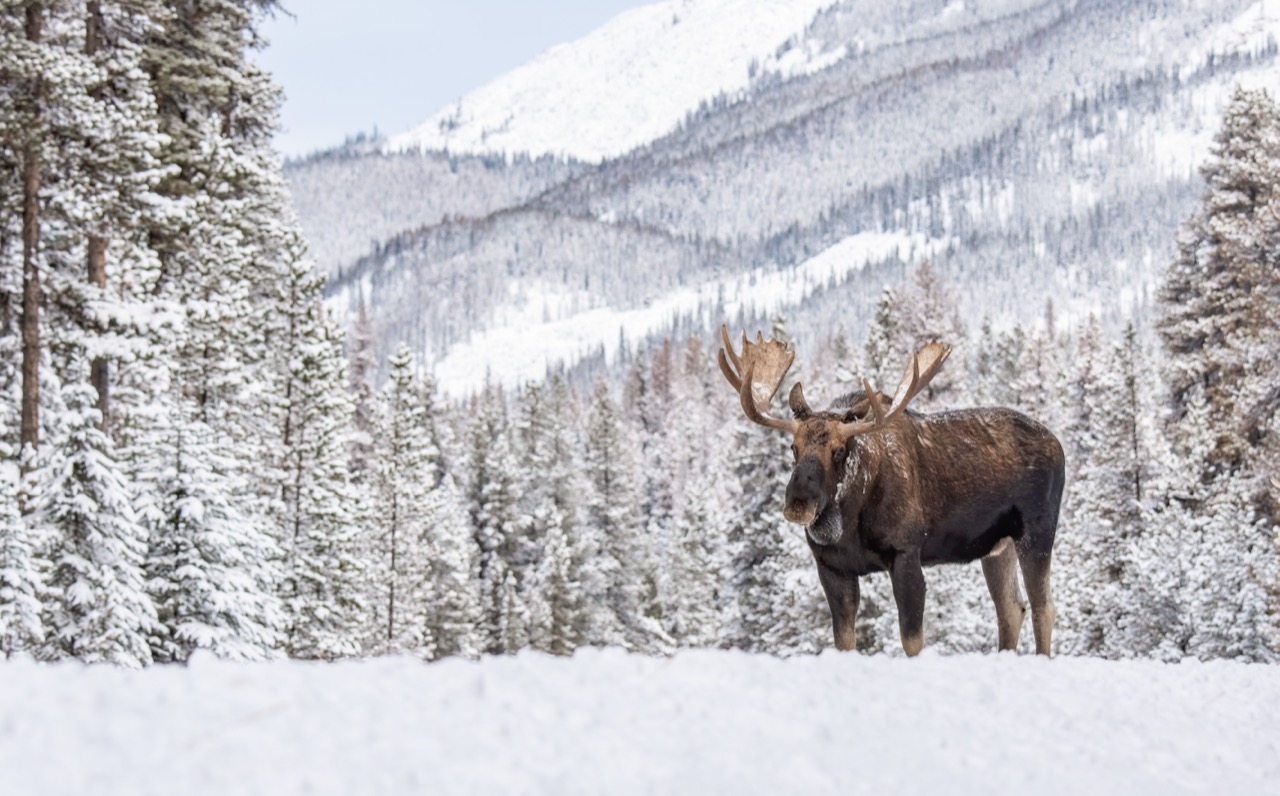
Habitat and daily life Moose thrive across northern forests where wetlands, lakes, and young tree growth are common. They are especially drawn to places that offer both cover and food, such as forest edges, regenerating clearings, willow thickets, and bogs. Their long legs are not just for show. They help moose move through deep snow and step over fallen logs, and they make wading through marshes and shallow lakes easier. Moose are usually solitary, although you may see cows with calves or small temporary groups where food is abundant.
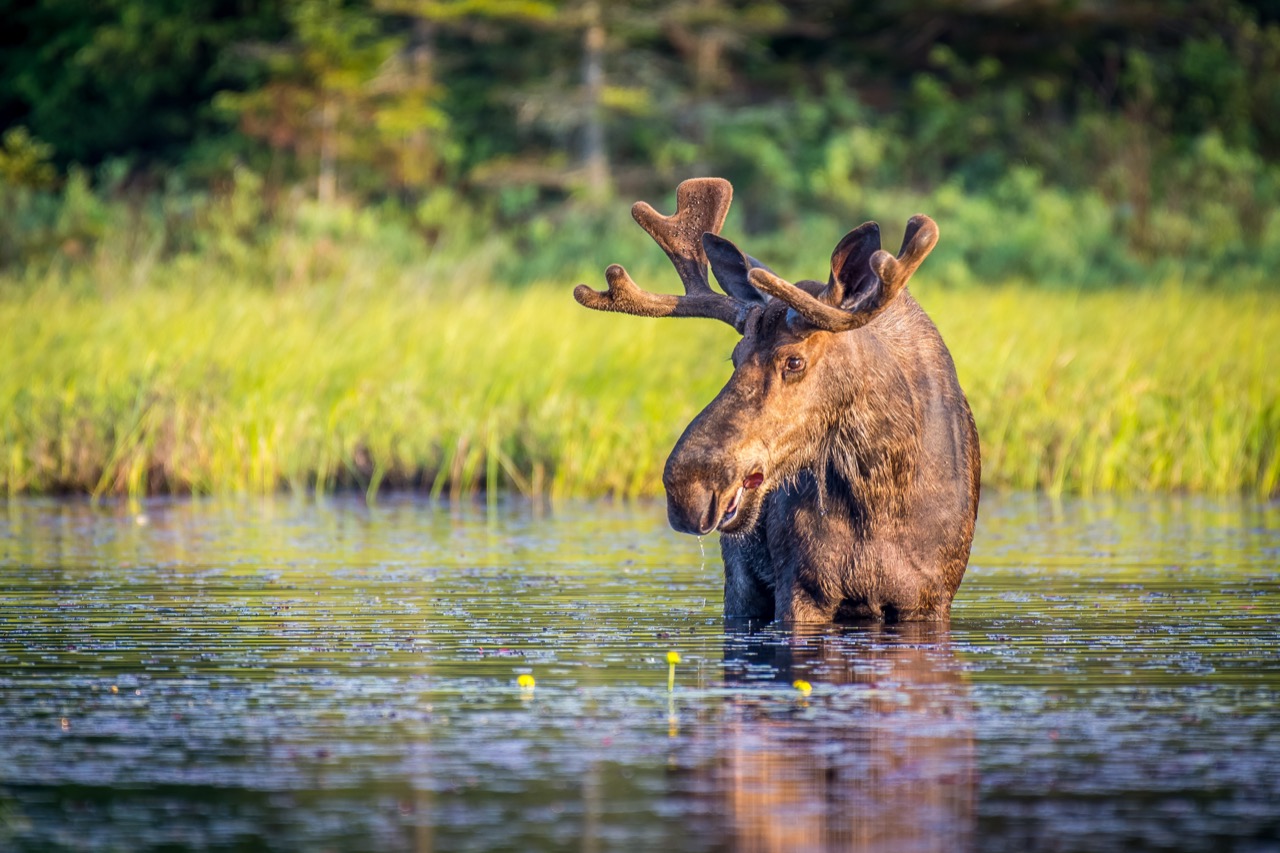
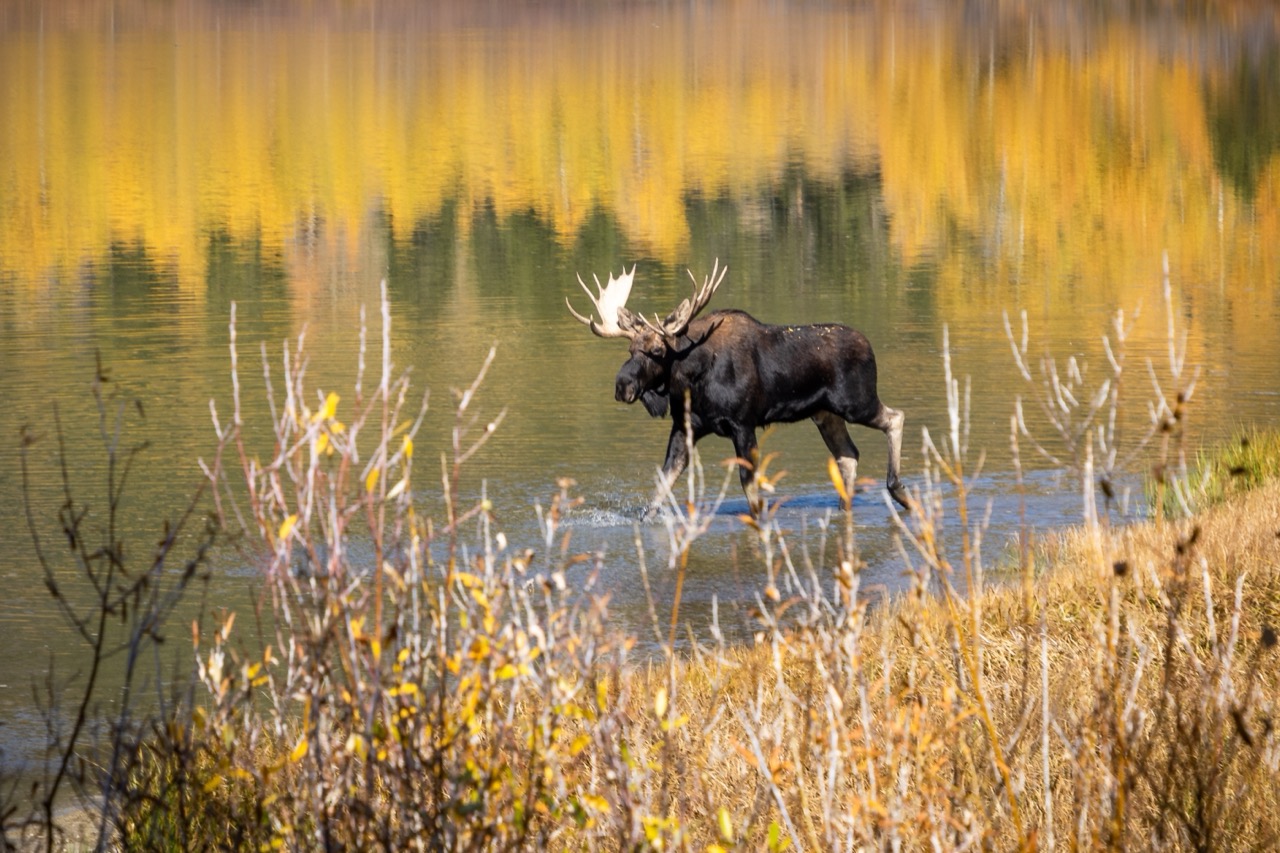
Diet and the treetop buffet Moose are browsers, meaning they prefer leaves, twigs, and buds rather than grazing on grass. In warm months they feed heavily on aquatic plants, which can be rich in minerals. Watching a moose feed in water is a reminder that this animal is a confident swimmer and diver. It can paddle across lakes and use its large muzzle to pull vegetation from below the surface. In winter, when leafy plants are scarce, moose switch to woody browse like willow, birch, and aspen twigs. This constant pruning can shape the growth of forests and wetlands, influencing which plants dominate and how dense young trees become.
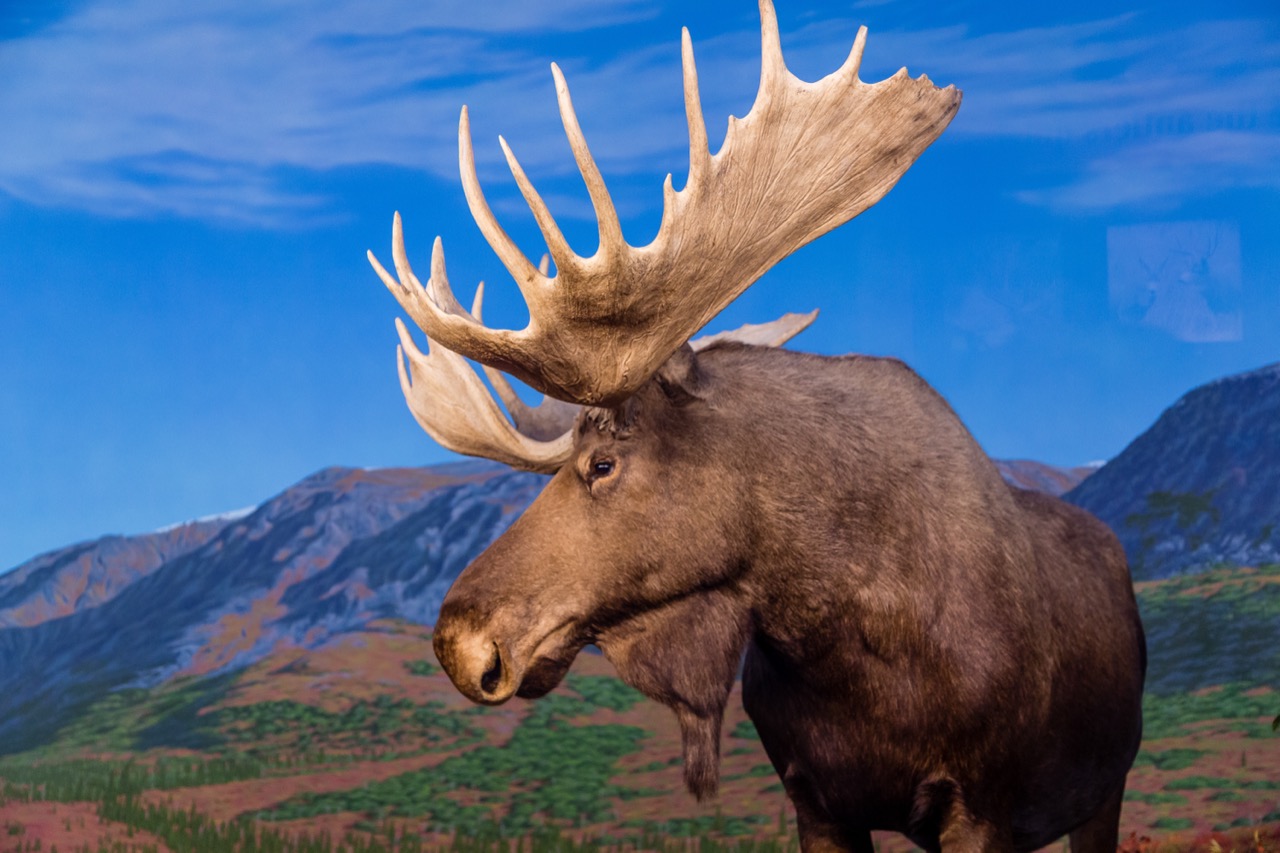
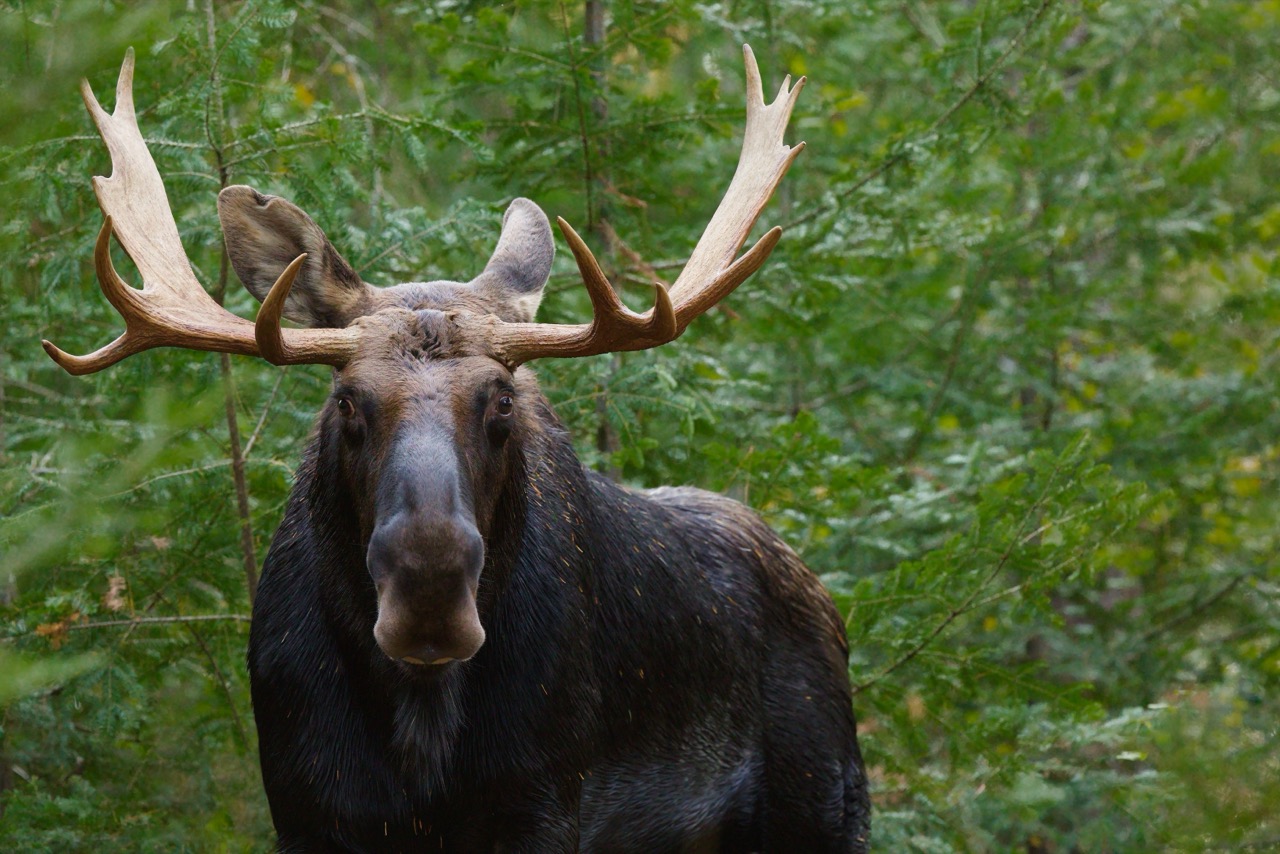
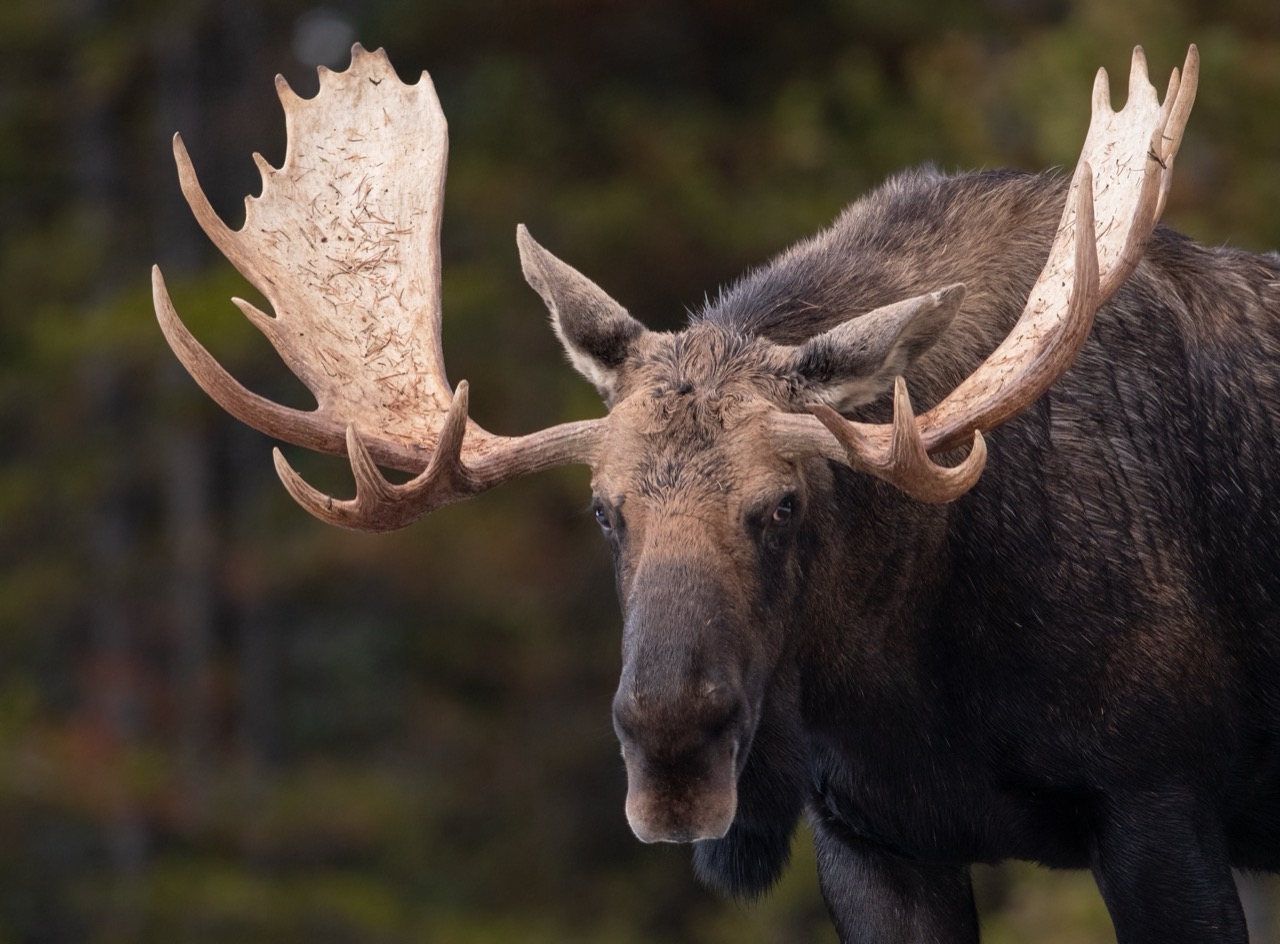
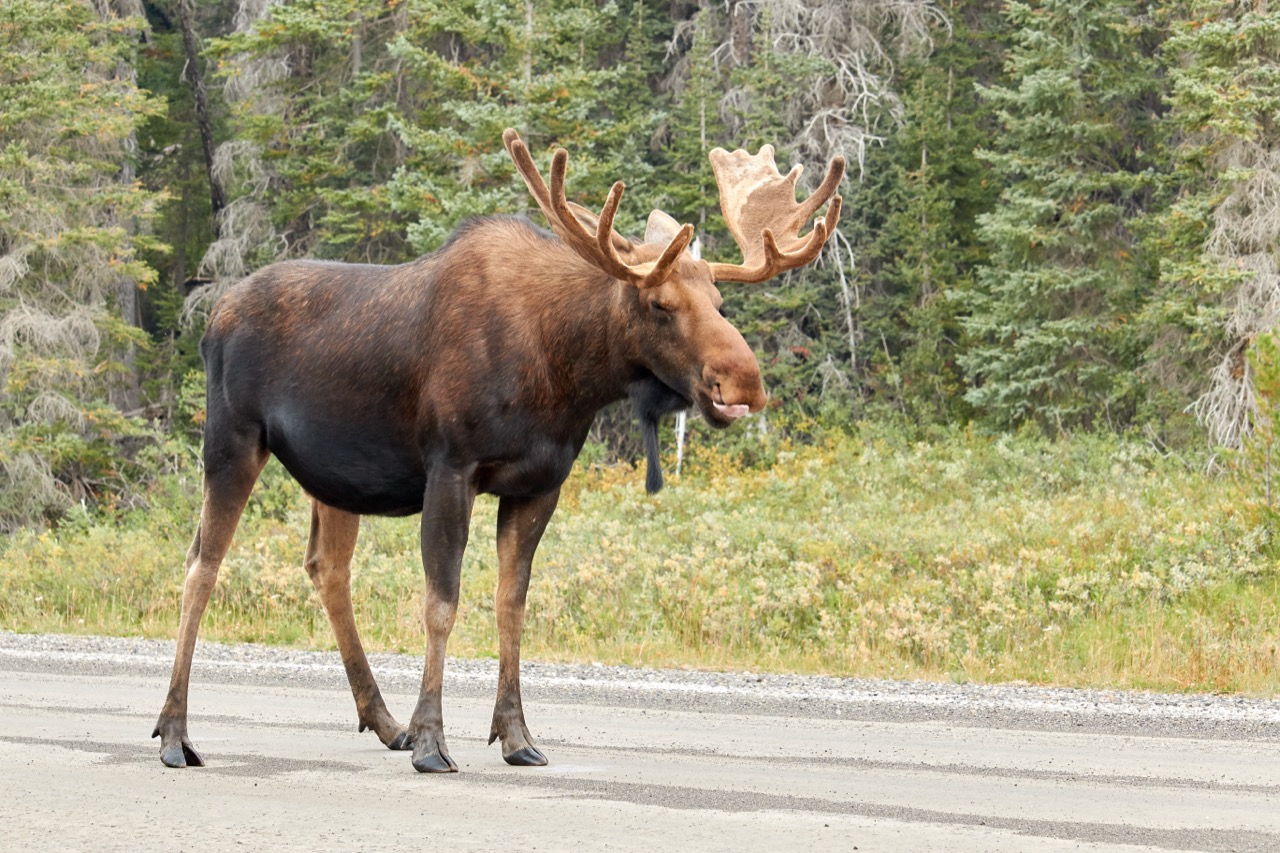
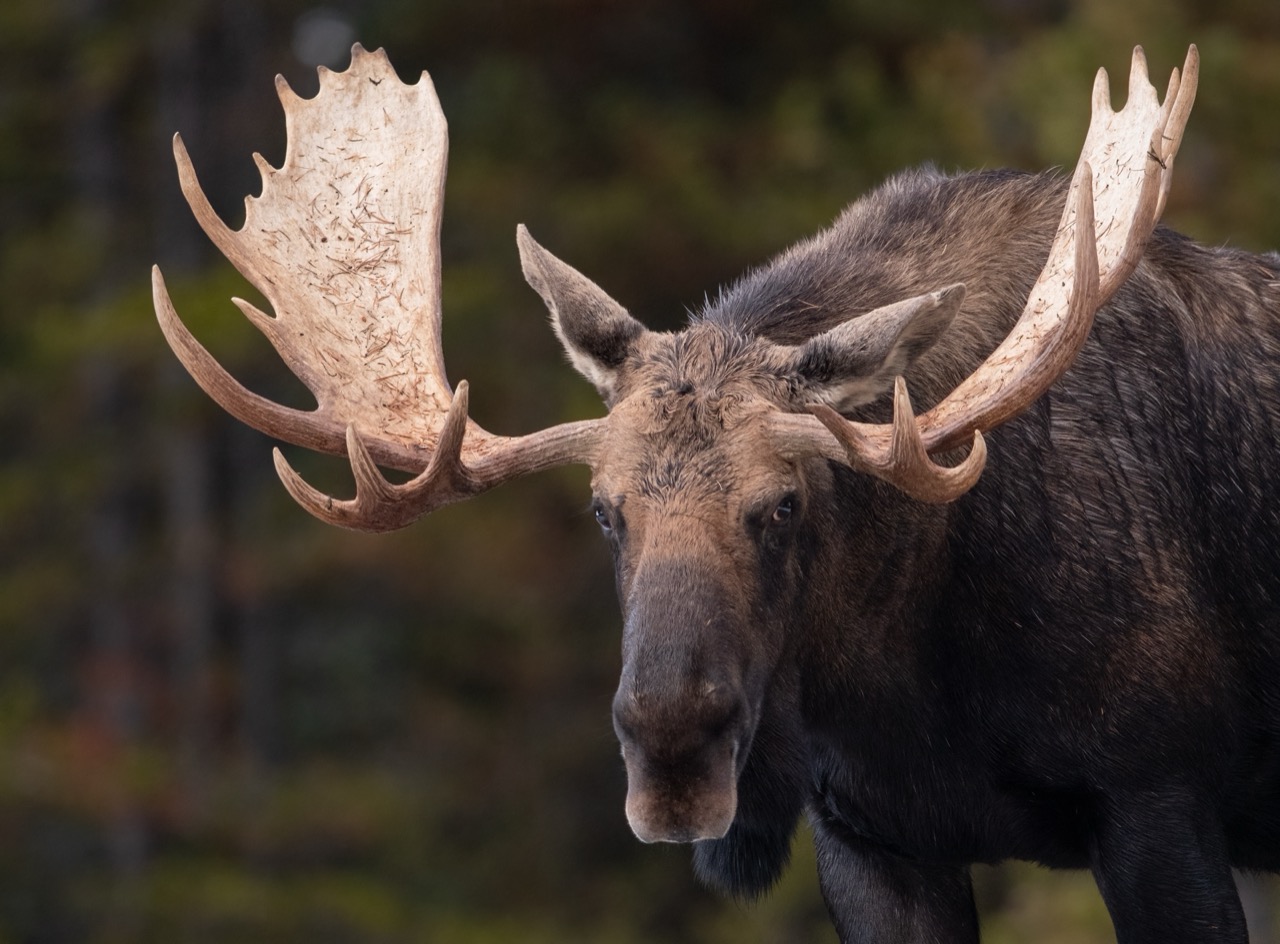
Antlers, seasons, and surprising growth Only males grow antlers, and they do it at an astonishing pace. Antlers begin growing in spring and can reach full size by late summer, covered in a soft, blood rich layer called velvet. By fall, the velvet is shed and the hard antlers are ready for the rut, the breeding season when males compete for mates. After the rut, antlers are shed in winter, and the cycle begins again. Calves grow quickly too. A healthy youngster can gain weight rapidly during its first summer, which is crucial for surviving its first winter.
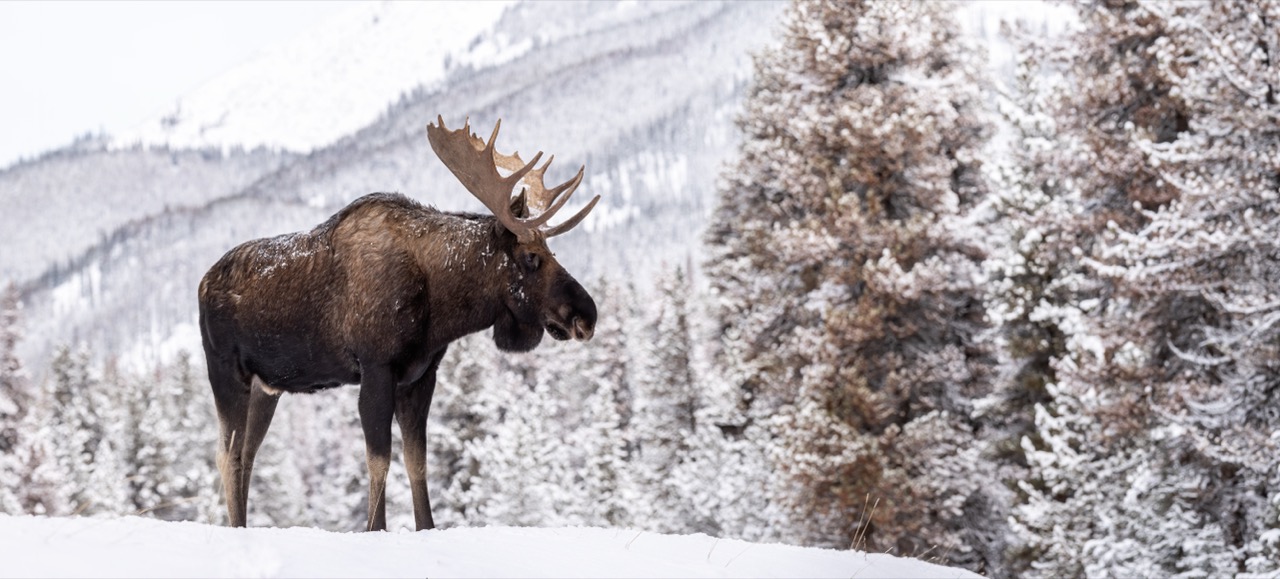
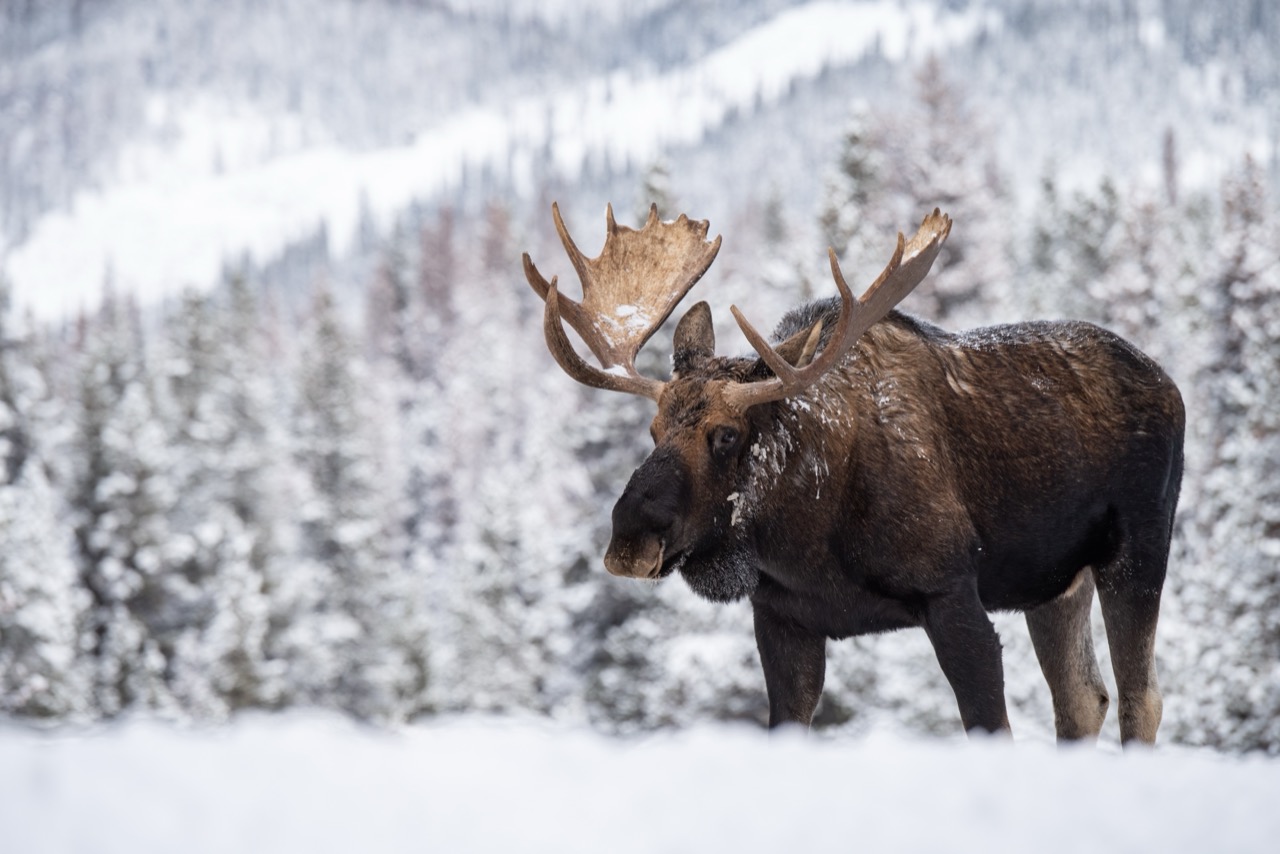
Cold weather and insect season Moose are built for cold. Their thick coat and dark body help retain heat, but that advantage becomes a problem in warm weather. Heat stress can limit feeding time and push moose to seek shade or water. Summer also brings relentless insects, including mosquitoes and biting flies. Moose may stand in windy areas, wade into water, or move to open spaces to reduce bites. In some regions, heavy parasite loads linked to warmer conditions can weaken moose, making summer survival as challenging as winter.
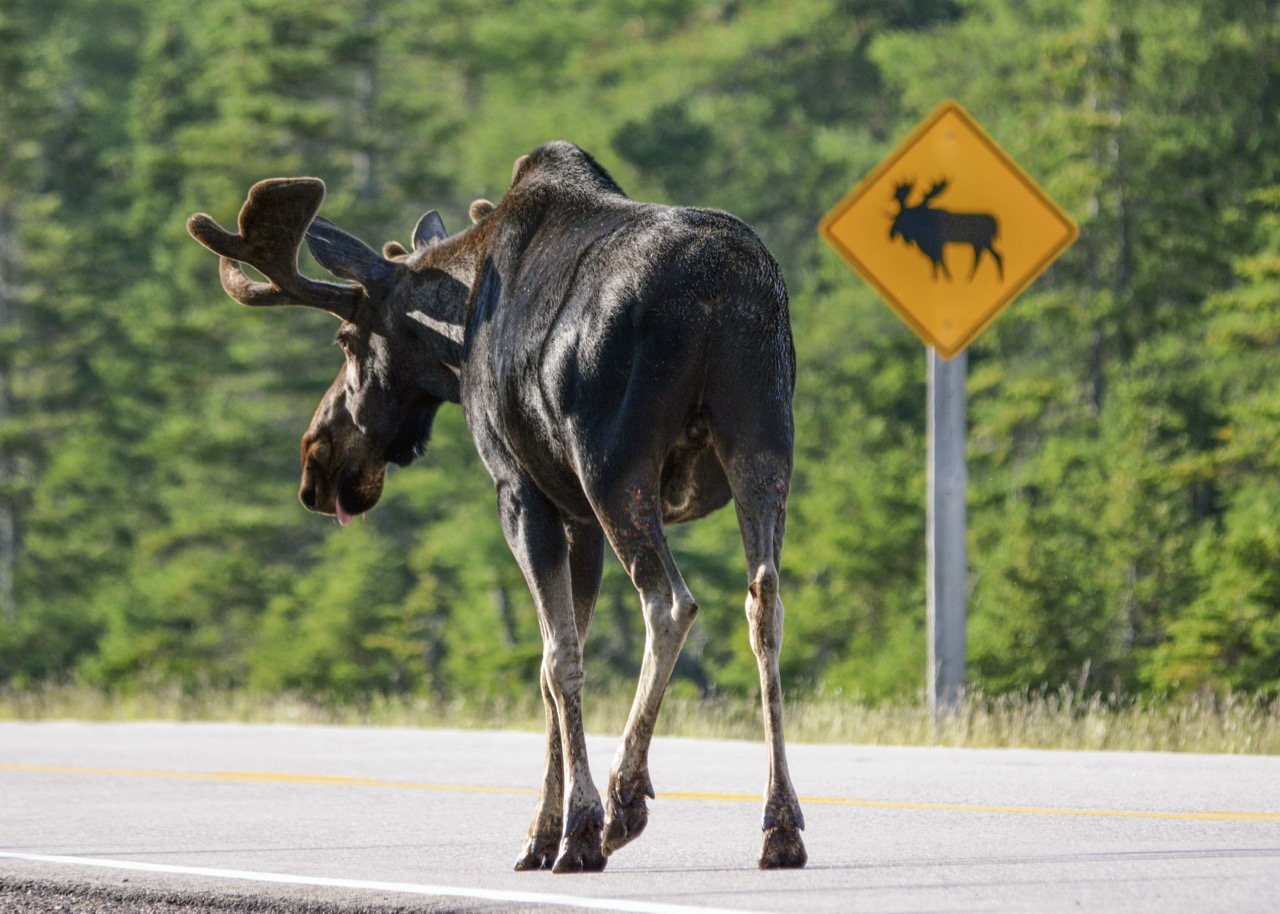
Tracks, travel, and behavior Moose leave distinctive tracks: large, split hooves that often show dewclaws in soft ground or snow. Adults can travel long distances in search of food, mineral sources like natural salt licks, or breeding opportunities. Their movements help spread nutrients and can open pathways through vegetation. Despite their size, moose can be quiet and hard to spot, blending into brush until they suddenly step into view.
Conclusion The moose is more than a big animal with funny proportions. It is a finely tuned browser, swimmer, and winter specialist that helps shape northern landscapes. Knowing its seasonal routines, antler cycle, feeding habits, and clever ways of coping with insects and temperature makes each quiz question feel connected to a real life story. The next time you see tracks in mud or a tall silhouette at the edge of a wetland, you will have a better sense of the remarkable life behind the legend.