Feathered Geniuses: A Colorful Quiz on Talkative Birds





Quiz Complete!
Feathered Geniuses: The Secret Lives of Talkative Birds
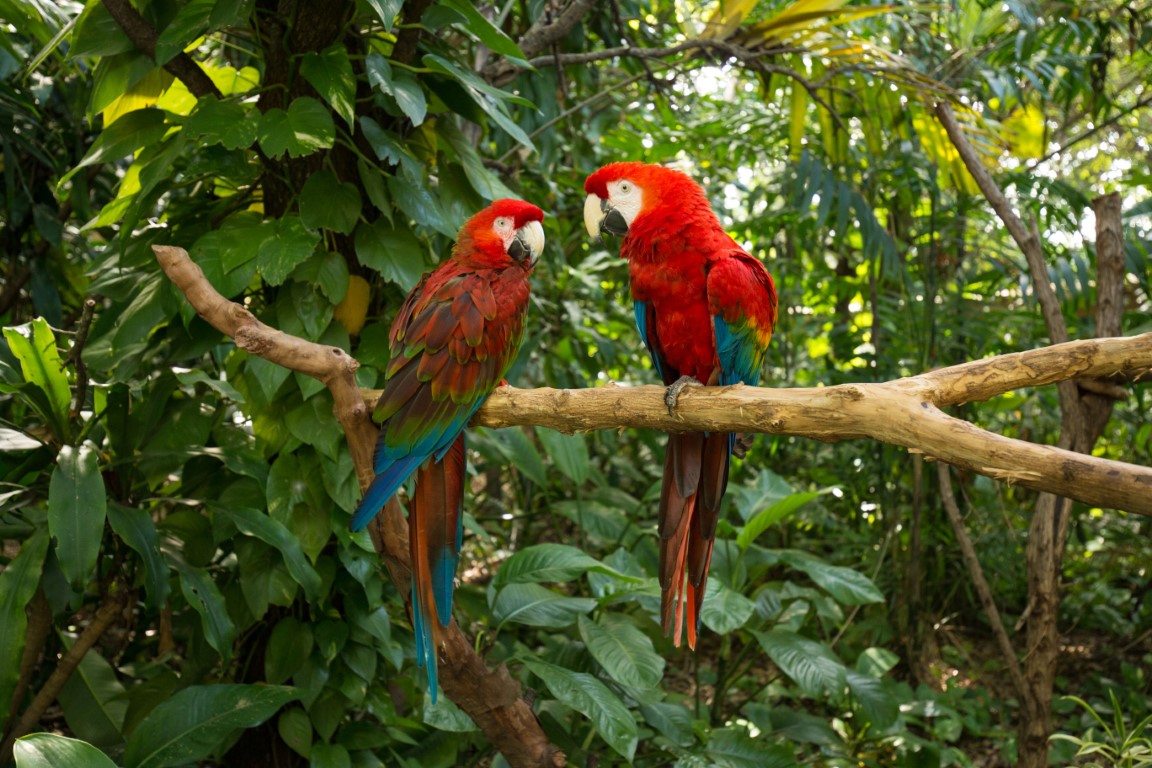
Talkative birds have fascinated people for centuries, not just because of their bright feathers and loud voices, but because of their surprising intelligence. Many of the most vocal species belong to the parrot family, including macaws, cockatoos, and African grey parrots. These birds are found in warm regions around the world, especially in tropical rainforests of South America, Africa, Asia, and Australia, where dense trees and rich food sources support their active lives.
Their diets help explain their powerful beaks and sharp minds. Most talkative birds eat a mix of seeds, nuts, fruits, and sometimes insects or nectar. Cracking open tough nuts or husks is not easy, so evolution has given them strong, curved beaks and agile tongues. These tools let them pry, crush, and peel food with impressive skill. In the wild, finding and opening food can be like solving a puzzle every day, which may help keep their brains active and adaptable.
One of the most remarkable features of these birds is their ability to mimic sounds, including human speech. They do not talk the way we do; instead, they learn to copy the pitch, rhythm, and pattern of the sounds they hear. Inside their throats is a special organ called the syrinx, which can produce complex and layered sounds. Combined with a keen ear and strong memory, this allows them to imitate voices, whistles, and even electronic noises like phone ringtones.
Scientists have discovered that for some species, mimicry is more than a party trick. African grey parrots, for example, have shown an ability to understand basic concepts such as color, shape, number, and even simple categories like same and different. In certain tests, they can solve puzzles that are difficult for young children, such as remembering the location of hidden objects or choosing the correct tool to reach a treat. These abilities suggest that at least some parrots use words and sounds in a flexible, meaningful way, not just by rote repetition.
Their bright plumage serves important purposes in the wild. Bold colors can help birds recognize members of their own species, choose mates, and signal health and strength. In the filtered light of a rainforest, vivid reds, blues, and greens can actually blend into the background of flowers, fruits, and leaves, offering a form of camouflage. Feathers also play a role in communication; raised crests, fluffed bodies, and spread wings all send visual messages to other birds.
Another surprising fact is how long some of these birds can live. Large parrots like macaws and cockatoos often reach 40 to 60 years in captivity, and some individuals have lived into their 80s. This long lifespan means they can form deep social bonds and learn a great deal over time. In the wild, they live in flocks, relying on complex calls and social rules to stay safe and coordinate movements.
From rainforest canopies to living rooms around the world, talkative birds show that intelligence comes in many forms. Their problem solving skills, social lives, and remarkable voices reveal minds that are far more complex than their reputation as noisy pets might suggest.