Gallop of Genius Trivia








Quiz Complete!
Gallop of Genius: A Lively Guide to Horse Anatomy, Behavior, and History

Introduction Horses have carried people across continents, powered farms, inspired legends, and dazzled crowds in sport. They are also finely tuned animals with senses and social skills that can surprise even experienced riders. Understanding how horses are built, how they communicate, and how they partnered with humans makes trivia more fun because each fact connects to a real purpose in the horse’s life.
Anatomy built for speed and stamina A horse is essentially a large grazing athlete. Long legs and powerful hindquarters provide propulsion, while springy tendons store and release energy like elastic bands. The hoof is more than a hard shell; it helps absorb shock and supports the entire body. Healthy hooves depend on good trimming, balanced nutrition, and suitable footing. Horses are hindgut fermenters, meaning much of their digestion happens in the cecum and large intestine, where microbes break down fiber. This is why they thrive on frequent, forage based meals and why sudden diet changes can cause serious issues like colic. Their teeth also tell a story: horses grind tough plant material, and dental care matters because uneven wear can make chewing painful and reduce nutrient intake.
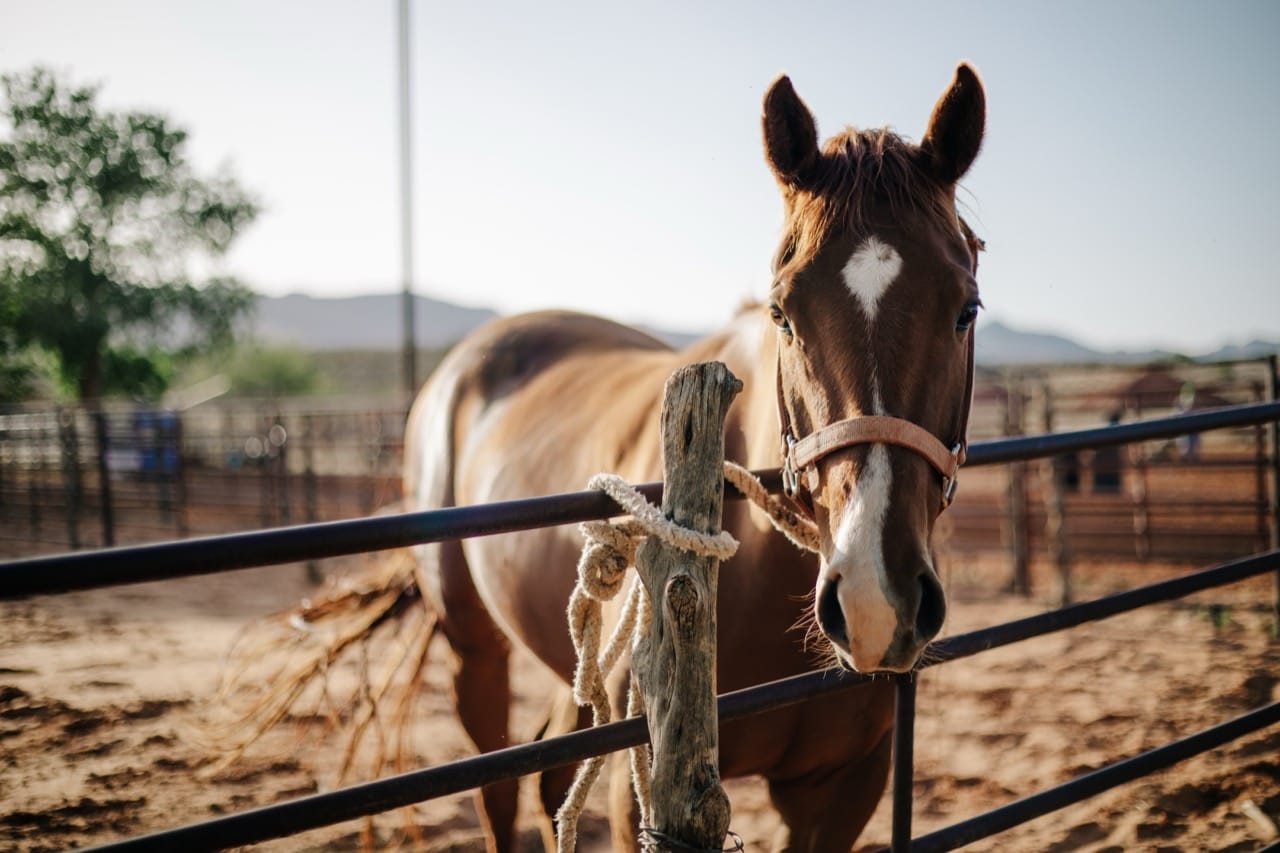
How horses sense and communicate Horses are prey animals, so their senses are designed for early warning. Their eyes sit on the sides of the head, giving a wide field of view that helps detect movement, though they have blind spots directly in front of the nose and behind the tail. Ears are like swiveling antennas; a horse can point each ear in a different direction, tracking sounds and signaling mood. Nostrils and scent cues help them recognize individuals and assess the environment. Communication is mostly body language. A relaxed horse often has a soft eye, loose lips, and a level neck. Tension may show as a tight mouth, raised head, or a tail held stiffly. In a herd, pinned ears can warn others away, while mutual grooming strengthens bonds. Vocalizations exist too: a whinny can be a long distance call, a nicker is often a friendly greeting, and a snort may signal alertness or simply clear the nostrils.
Herd dynamics and everyday behavior Horses are social and usually feel safer with companions. Herds tend to have a loose hierarchy rather than constant fighting, and many disputes are settled with posture and movement. They also rely on routine. Predictable handling, consistent feeding times, and calm training can reduce stress. Sleep is another fun twist: horses can doze standing up thanks to a locking mechanism in their legs, but they still need time lying down for deep sleep. If a horse never lies down, it may be uncomfortable, anxious, or lacking a safe space.
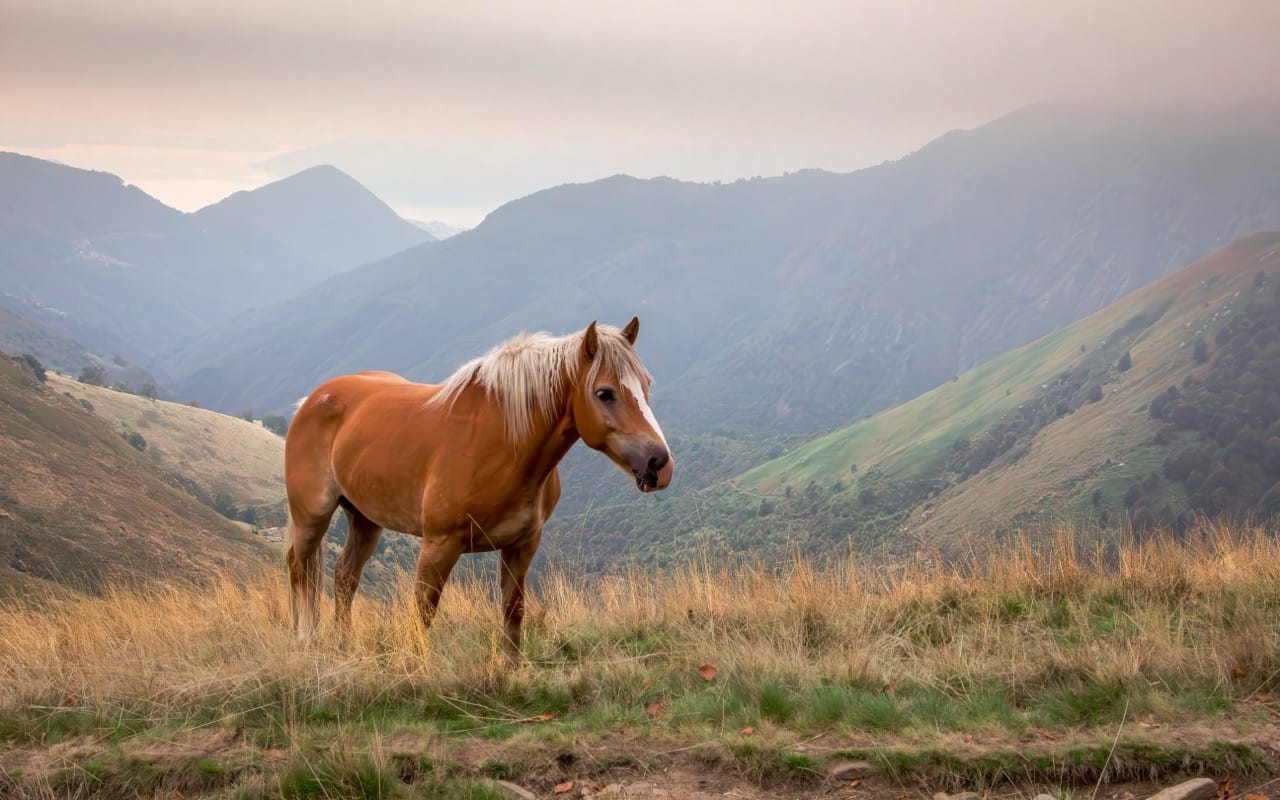
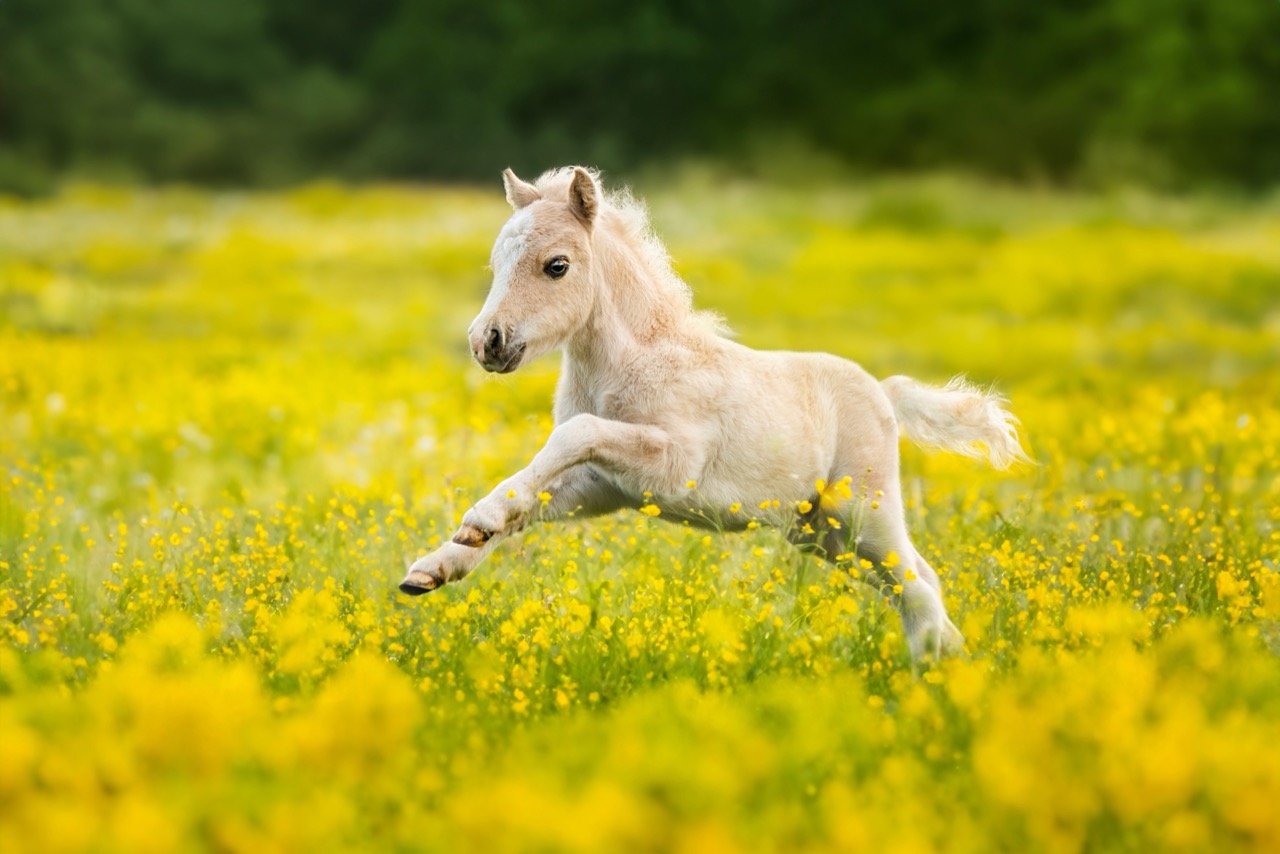
Breeds, coats, and cultural fame Selective breeding produced horses suited to specific jobs. Draft breeds developed strength for pulling, while lighter breeds emphasized speed and endurance. Coat colors and patterns became famous partly through culture and storytelling. A gray horse may be born dark and lighten with age, while a chestnut stays reddish. Patterns like pinto are visually striking and often linked to regional traditions. Historically, horses transformed travel and warfare, connected trade routes, and expanded agriculture. In modern times, they remain central to racing, show jumping, dressage, ranch work, and therapeutic programs. Their presence in myths and novels reflects the same qualities people admire in real life: courage, loyalty, and spirited energy.
Conclusion Horse trivia is more than memorizing facts; it is a doorway into how a remarkable animal lives and thinks. From the mechanics of hooves and digestion to the subtle language of ears and posture, every detail has a purpose. The more you learn, the easier it becomes to appreciate why horses became such enduring partners in human history and why they still capture our imagination today.