Low-Rider Legends: The Long-Eared Mystery Quiz
Quiz Complete!
Low-Rider Legends: Discovering the Long-Eared Scent Hound
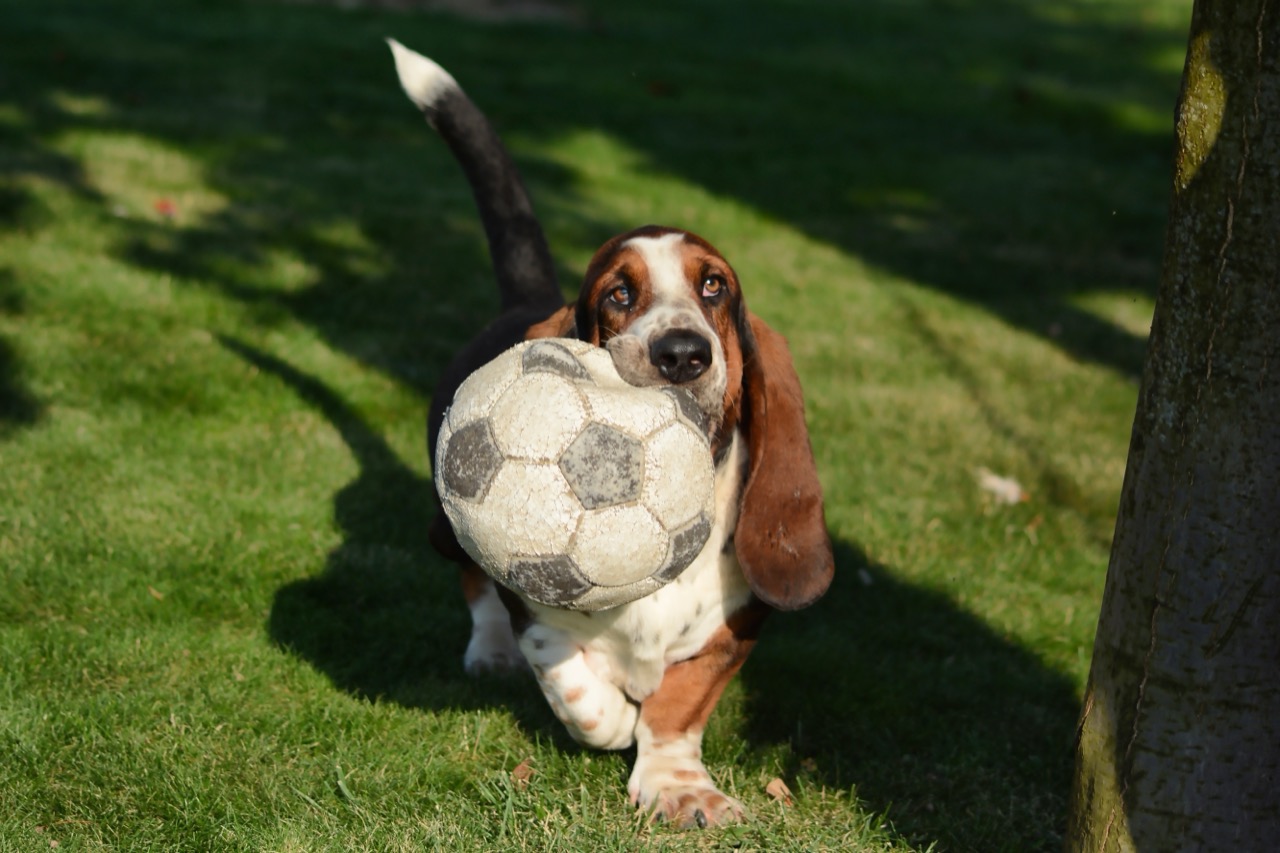
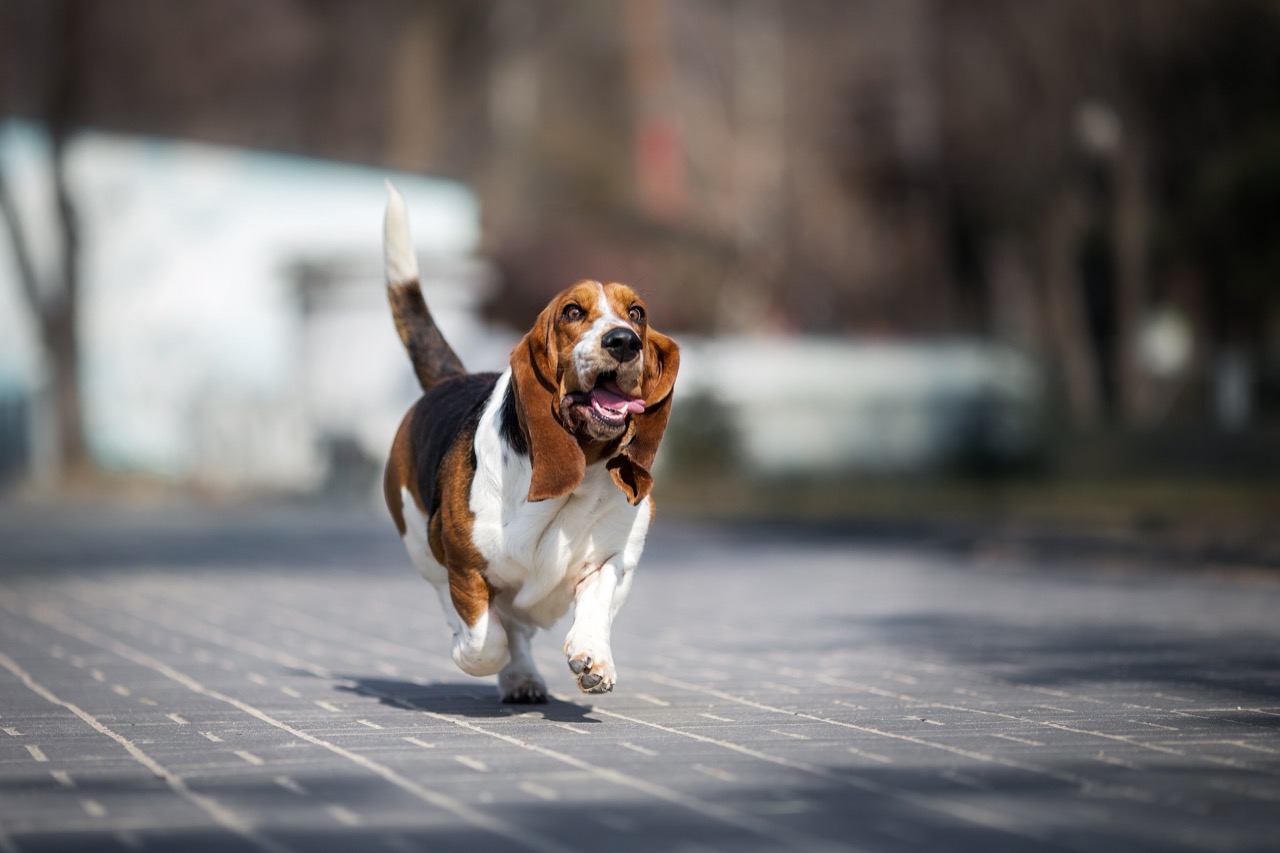
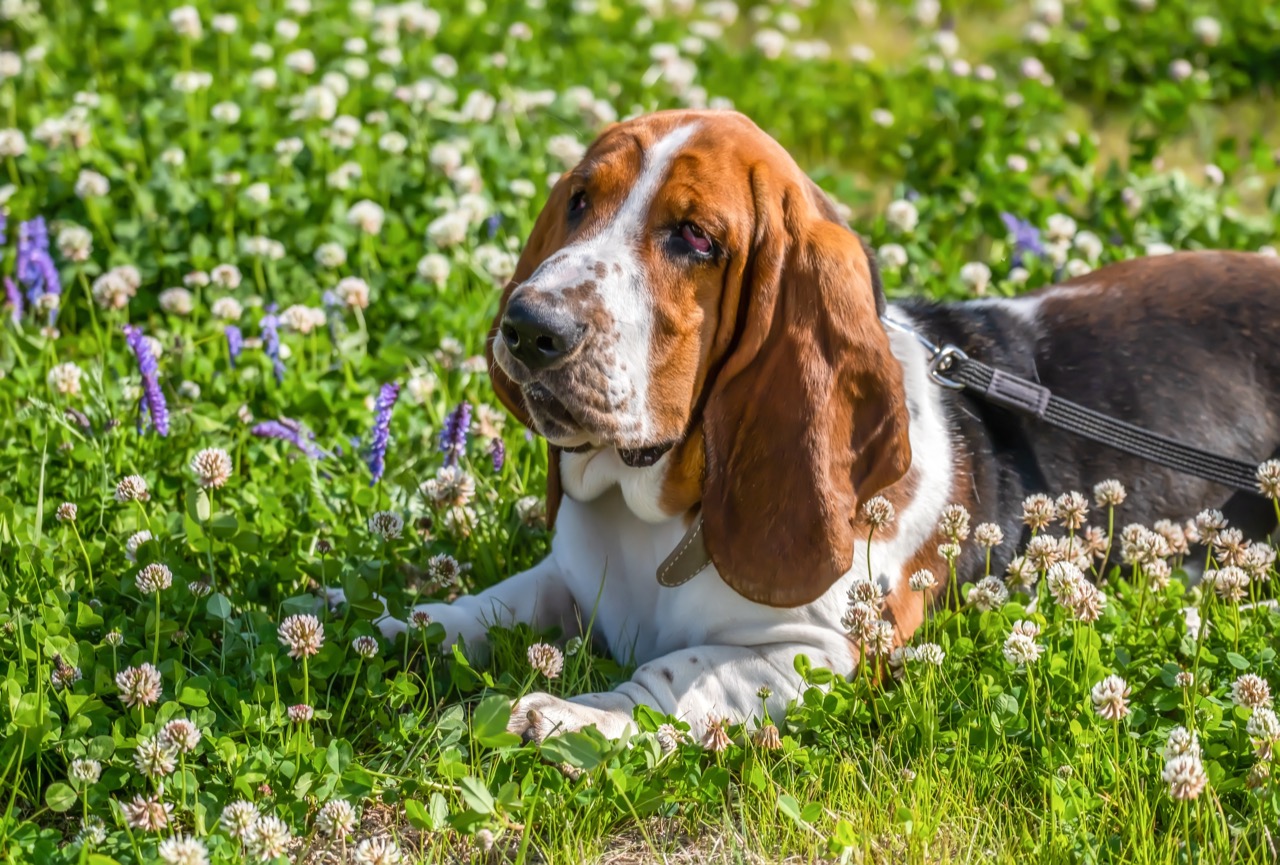
With their short legs, droopy faces, and famously long ears, Basset Hounds are some of the most recognizable dogs in the world. Beneath that sleepy expression, however, lies a breed with a rich history, remarkable senses, and a personality that can surprise even experienced dog lovers.
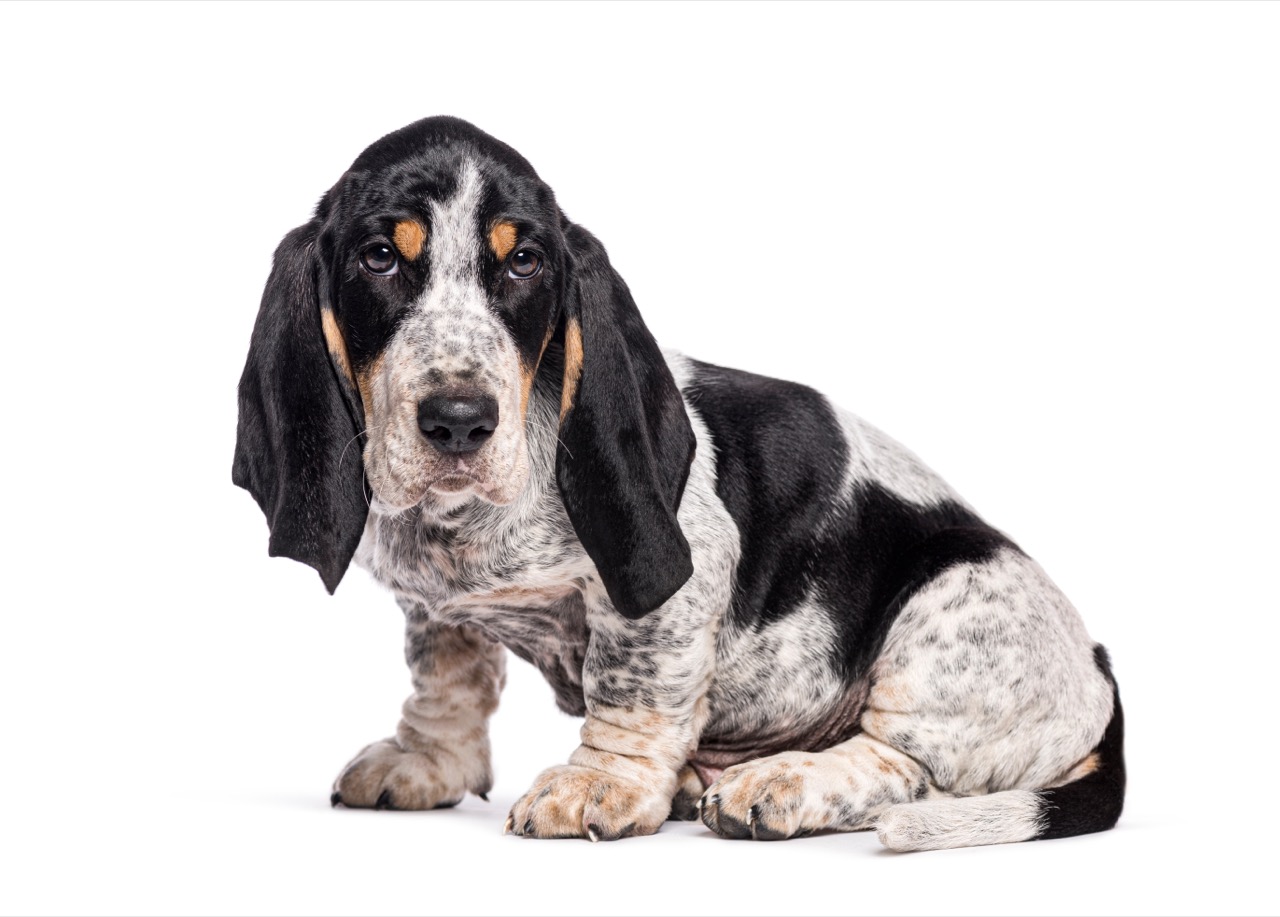
The story of these low riders begins in medieval Europe, especially in France and Belgium. The word basset comes from the French word bas, meaning low. These dogs were bred to move slowly and steadily through dense underbrush, tracking rabbits, hares, and other small game. Their short legs kept them close to the ground, where scent is strongest, and also allowed hunters on foot to keep up with them more easily.
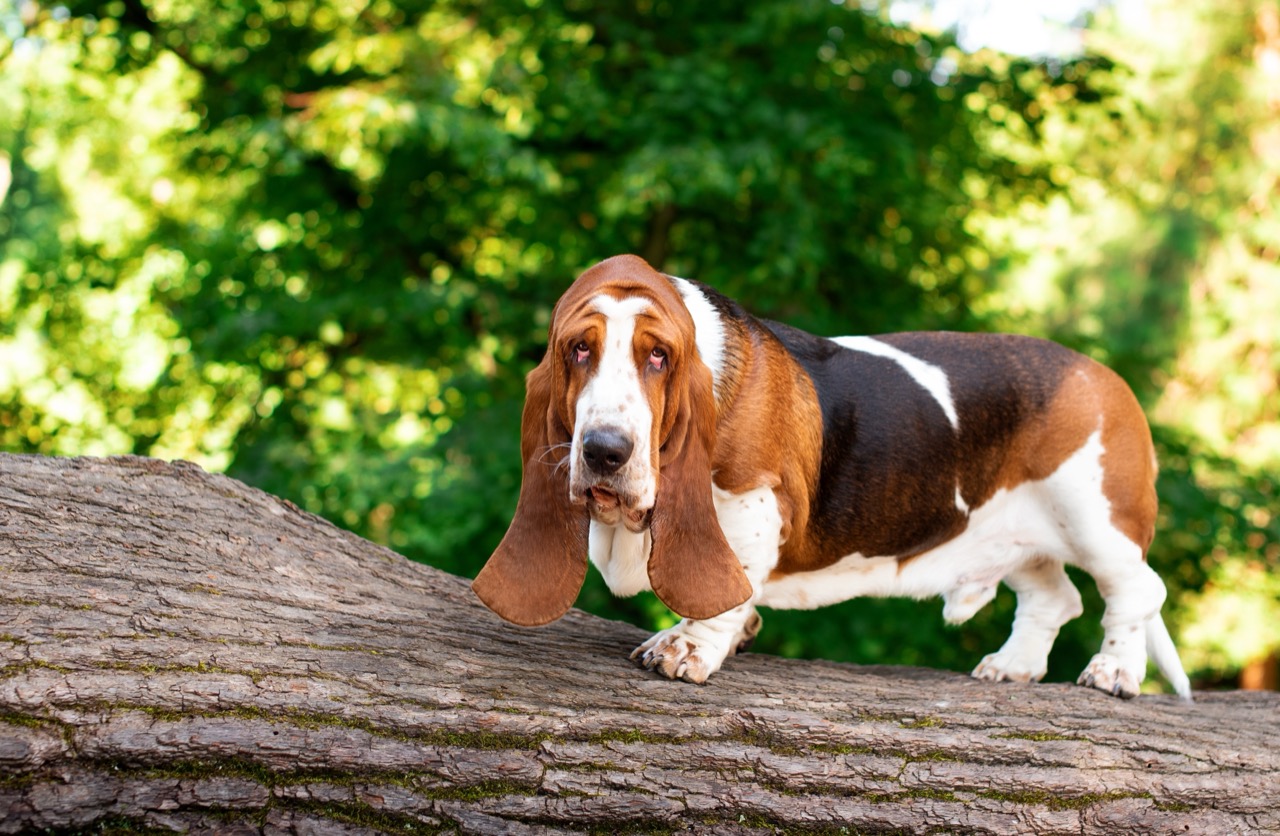
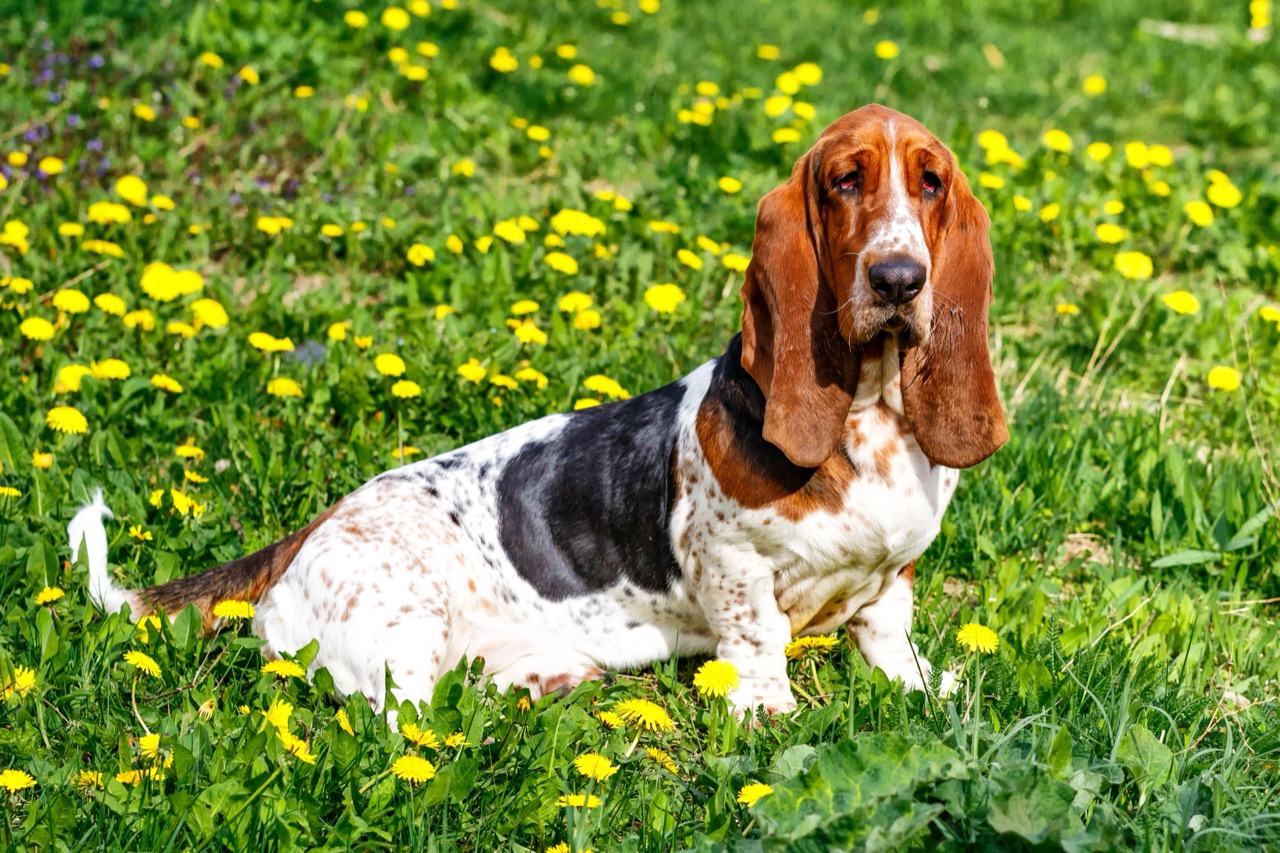
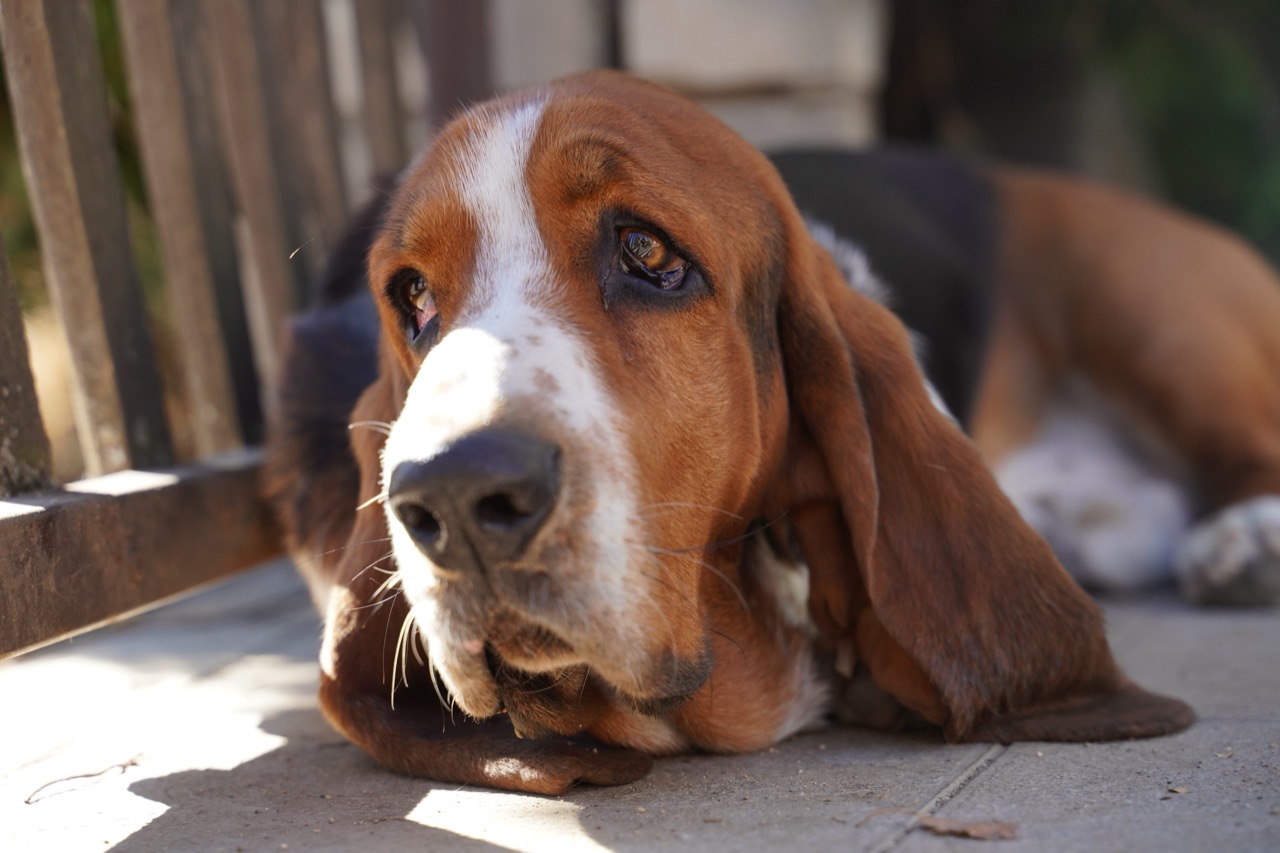
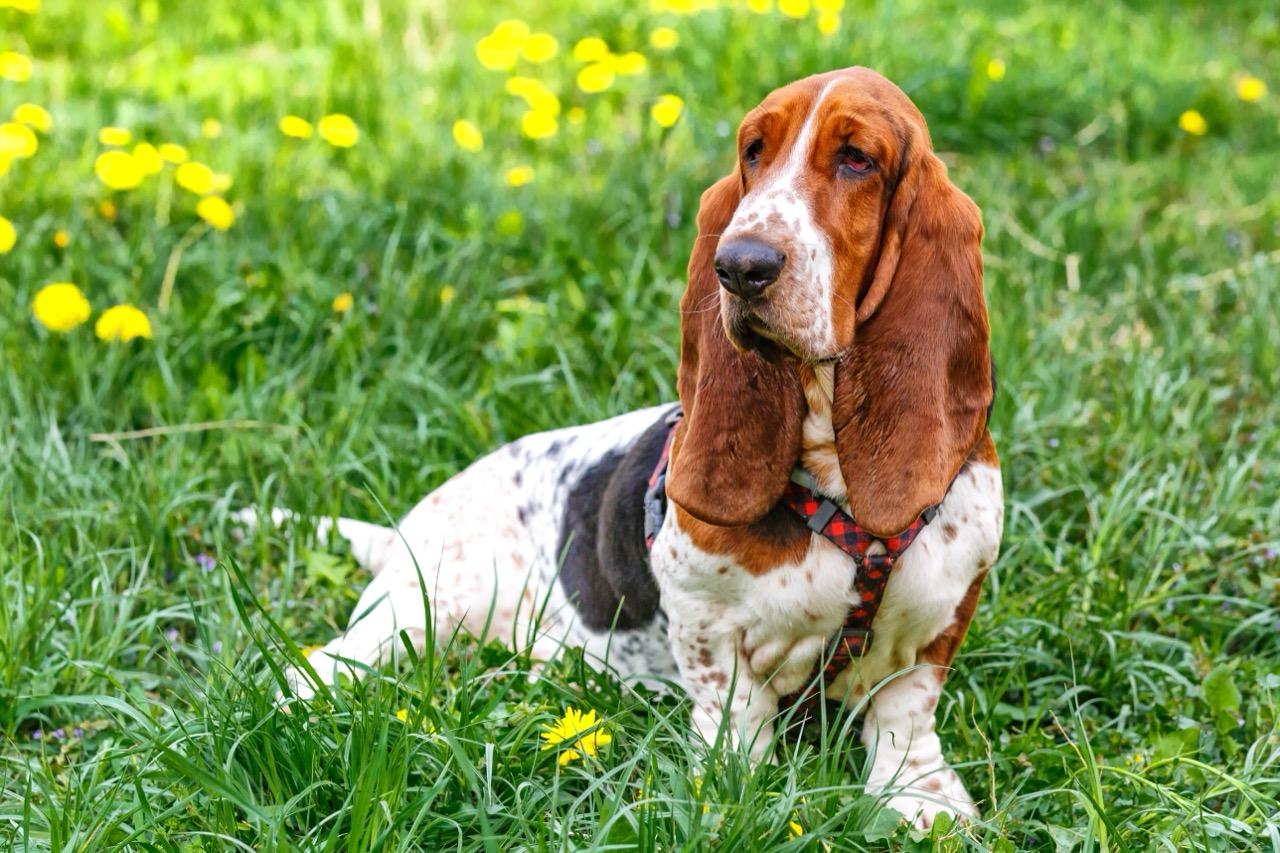
Their anatomy is a masterpiece of scent hound design. A Basset Hound’s nose is one of the most powerful in the dog world, second only to the Bloodhound. They have an incredible number of scent receptors, allowing them to follow an odor trail that is hours or even days old. Their long ears act like little brooms, sweeping scents from the ground toward the nose. The loose skin on their face helps trap scent particles around their muzzle, creating a kind of scent cloud that lets them analyze smells in detail.
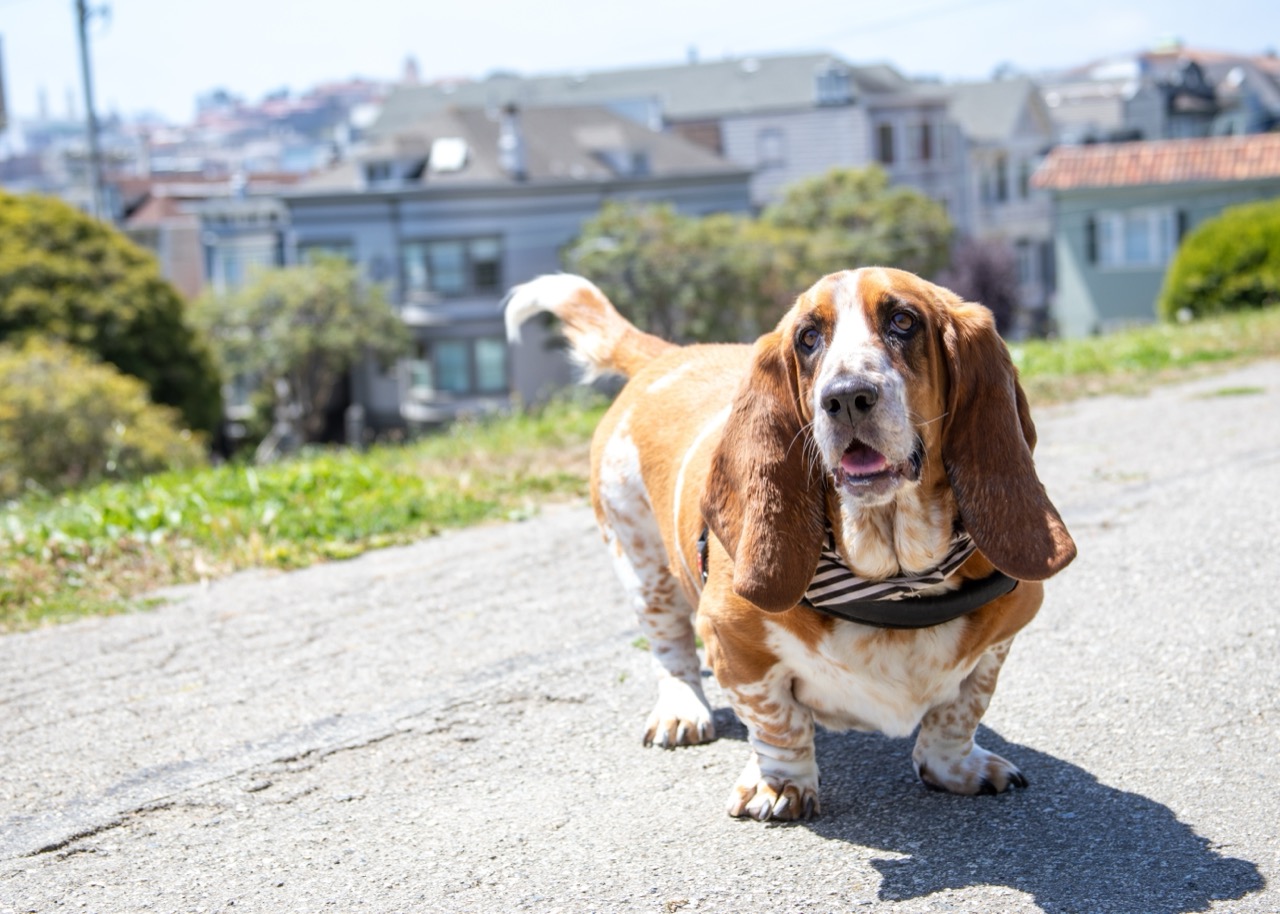
Of course, those same physical traits come with some challenges. Their long backs and short legs can make them prone to joint and spine issues, so jumping off furniture or climbing lots of stairs is not ideal. Their droopy eyes and ears need regular cleaning to prevent infections. Bassets also tend to gain weight easily, and a few extra pounds can put real stress on their frame. A healthy diet, portion control, and daily walks are essential to keep them comfortable and mobile.
When it comes to temperament, Basset Hounds are usually gentle, affectionate, and good with families. They are often described as stubborn rather than disobedient. This independence comes from their history as tracking dogs who needed to follow a scent without constant human direction. Training them requires patience, consistency, and plenty of positive reinforcement. Food rewards and a sense of fun go much further than harsh corrections.
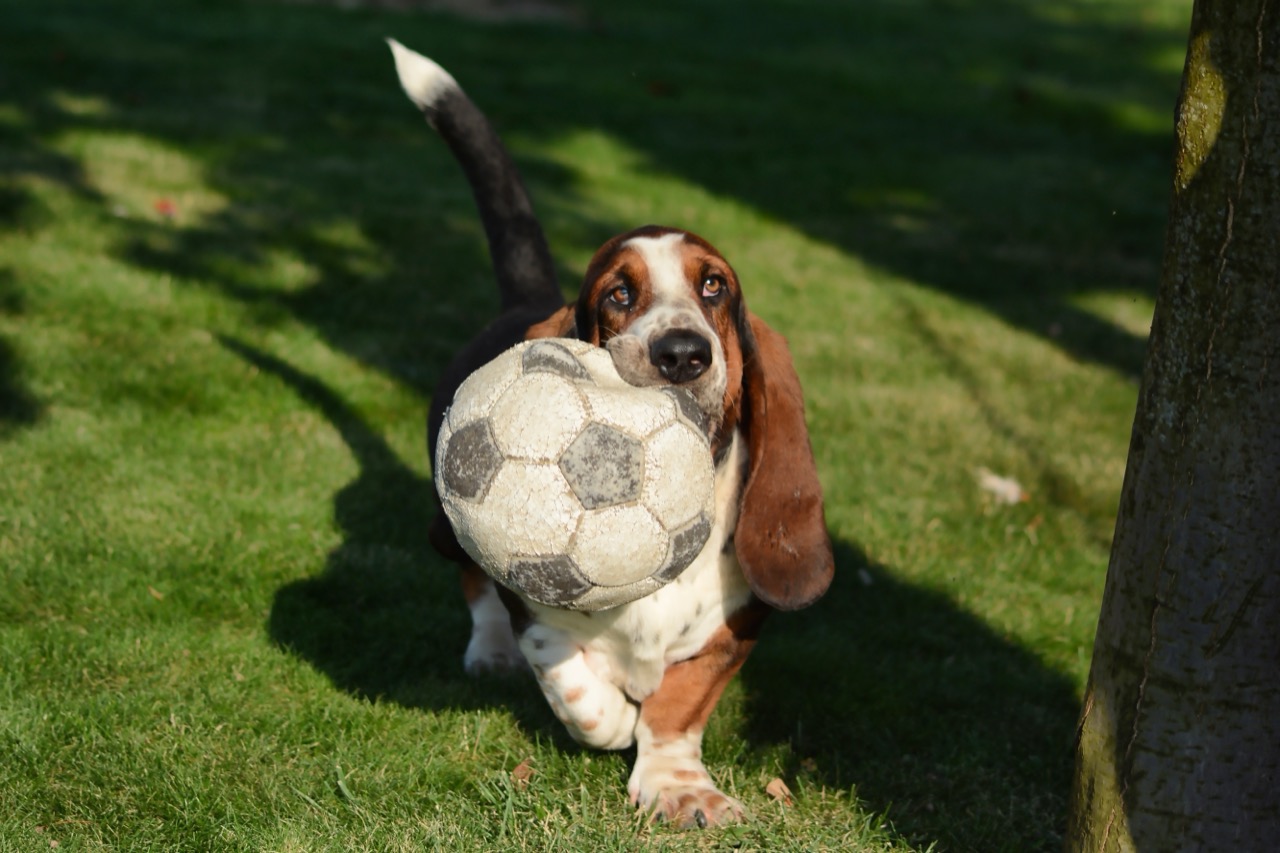
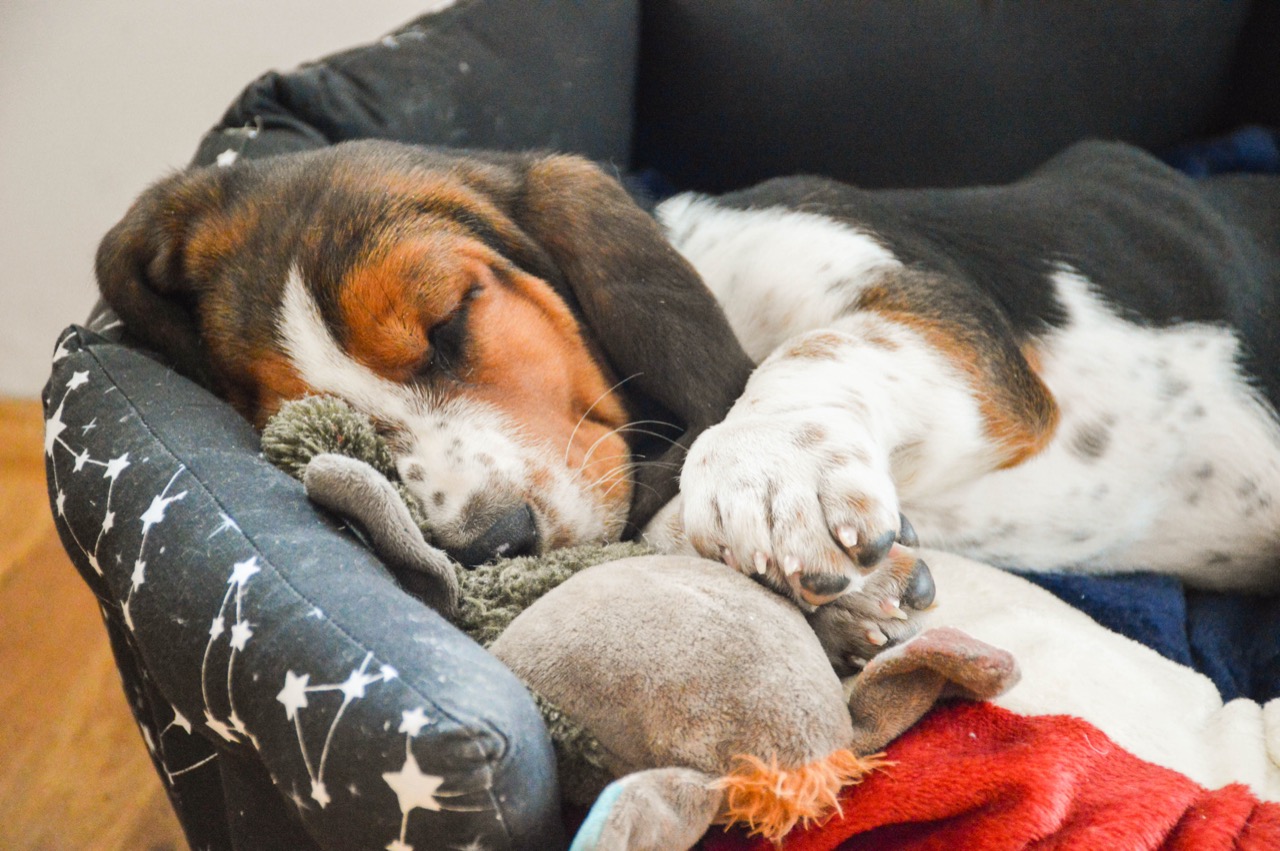
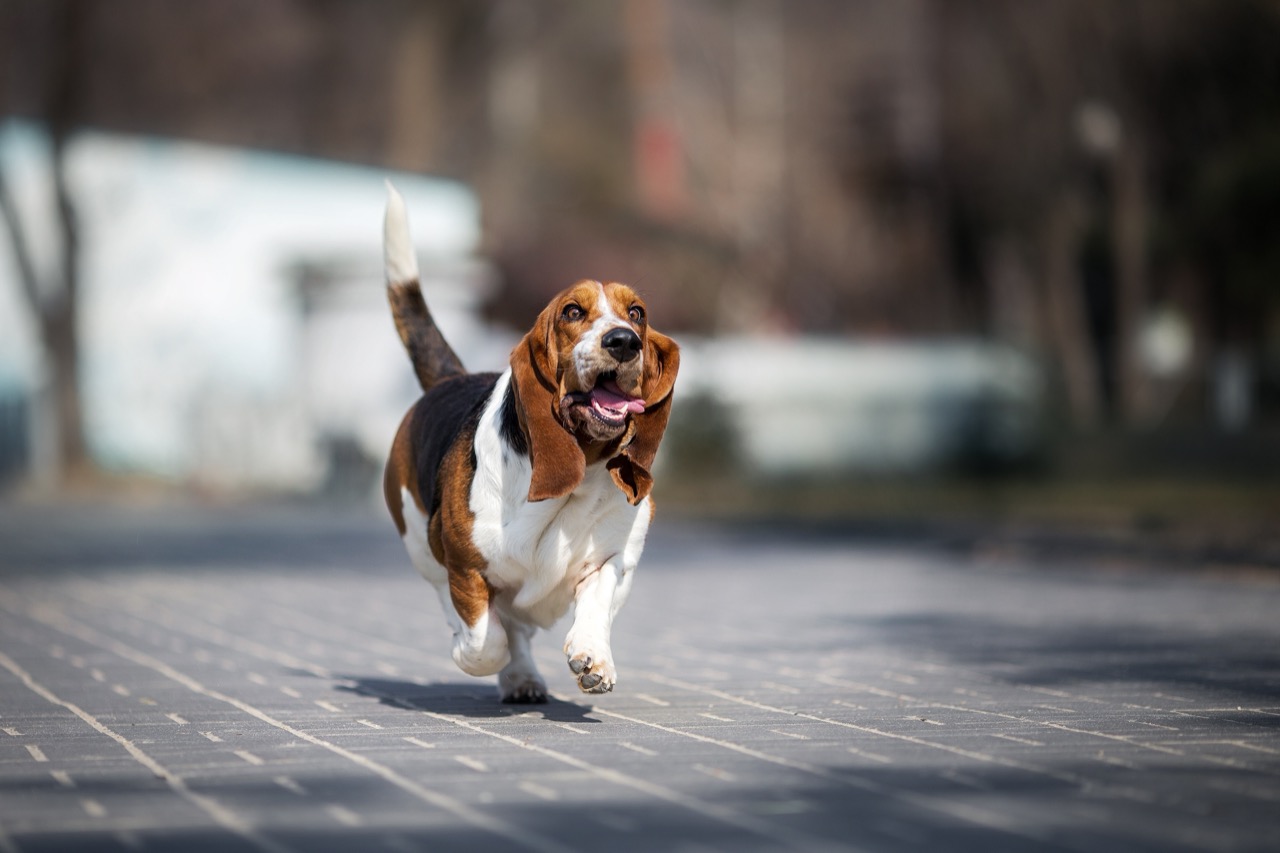
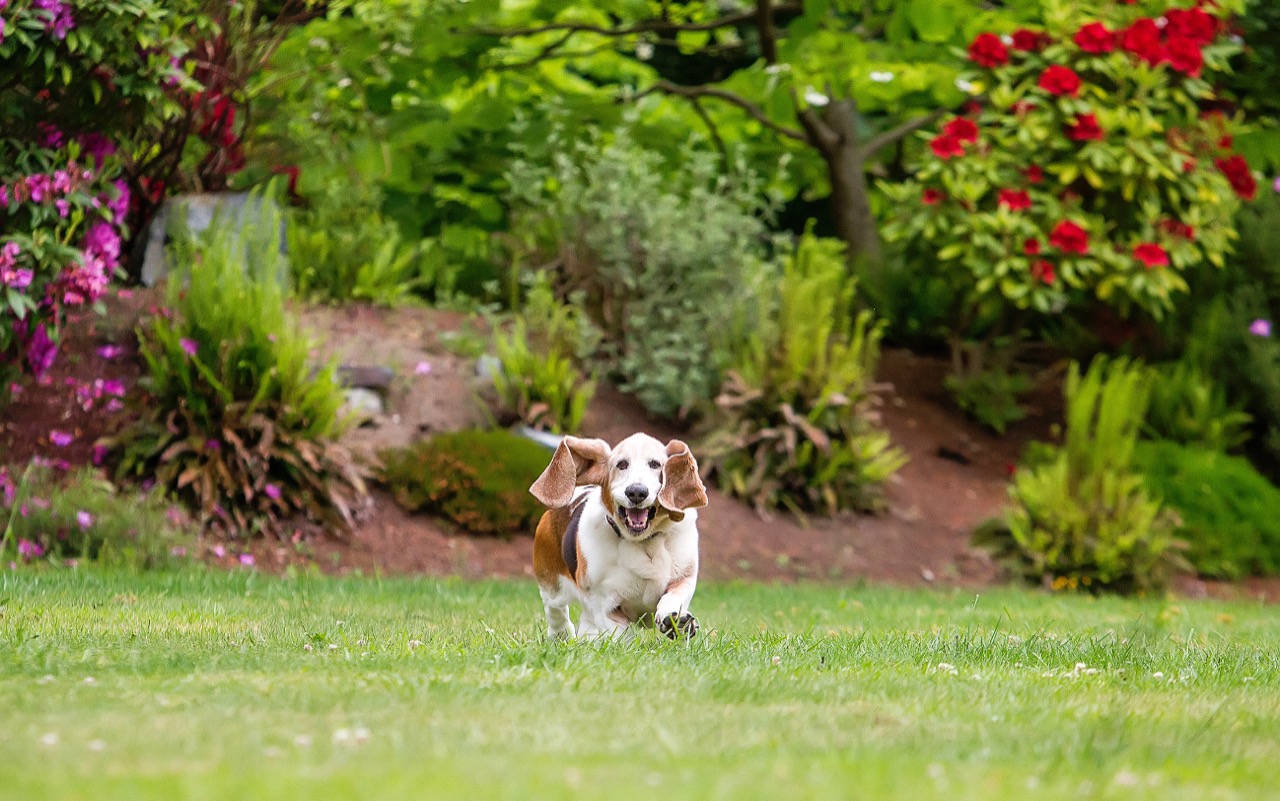
Despite their laid-back image, Bassets are not just couch potatoes. They enjoy sniffy walks, scent games, and puzzle toys that challenge their nose and brain. However, once their exercise and curiosity needs are met, they are more than happy to nap on the sofa and soak up attention.
Basset Hounds have also left their mark on popular culture. Their distinctive look has made them favorites in cartoons, commercials, and comic strips. They are often portrayed as lovable, slightly clumsy detectives, using their noses to solve mysteries or get into humorous trouble.
Understanding this breed means looking beyond the droopy eyes and slow shuffle. From their medieval hunting roots to their modern role as loyal companions, Basset Hounds are a blend of powerful instincts, unique anatomy, and endearing personality. Whether you are a casual admirer or a devoted fan, there is always more to learn about these long-eared legends of the dog world.