Marshland Gentle Giants: The Ultimate Giant Rodent Challenge
Quiz Complete!
Marshland Gentle Giants: Discovering the Capybara
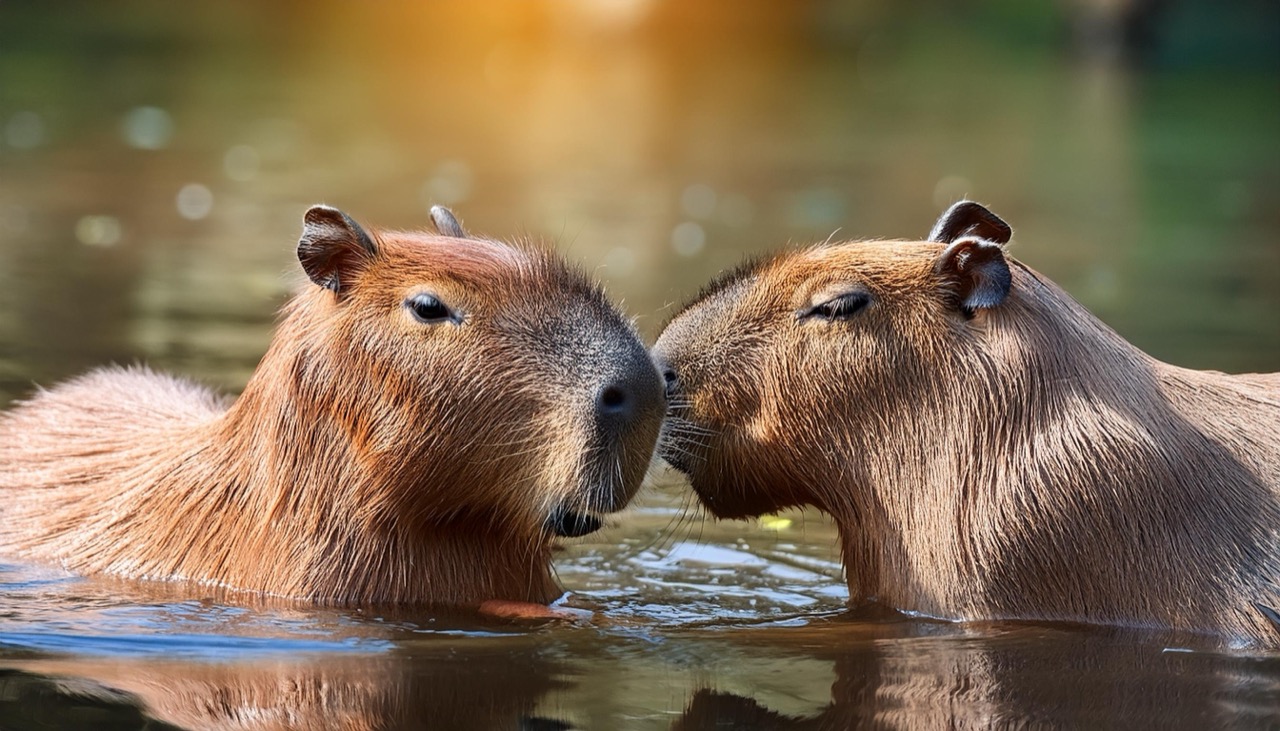
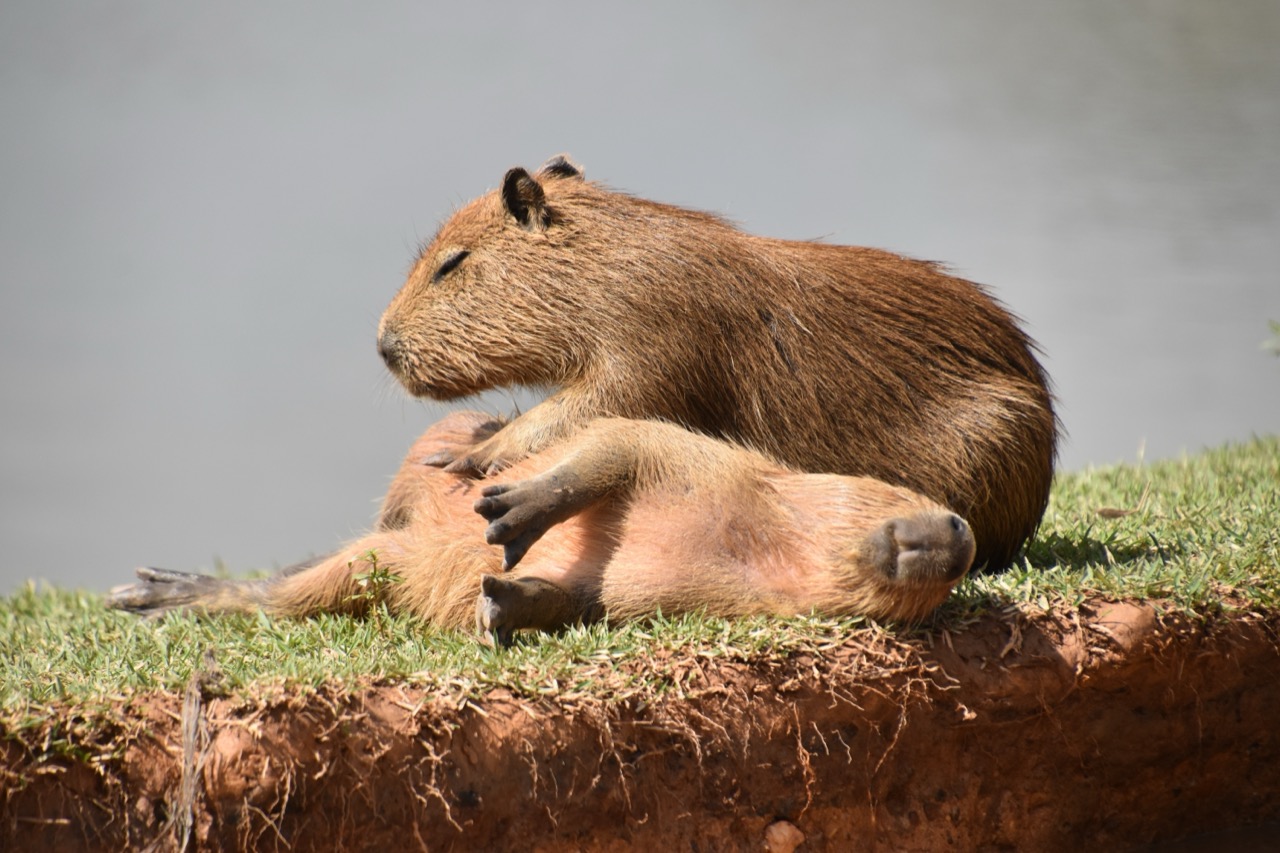
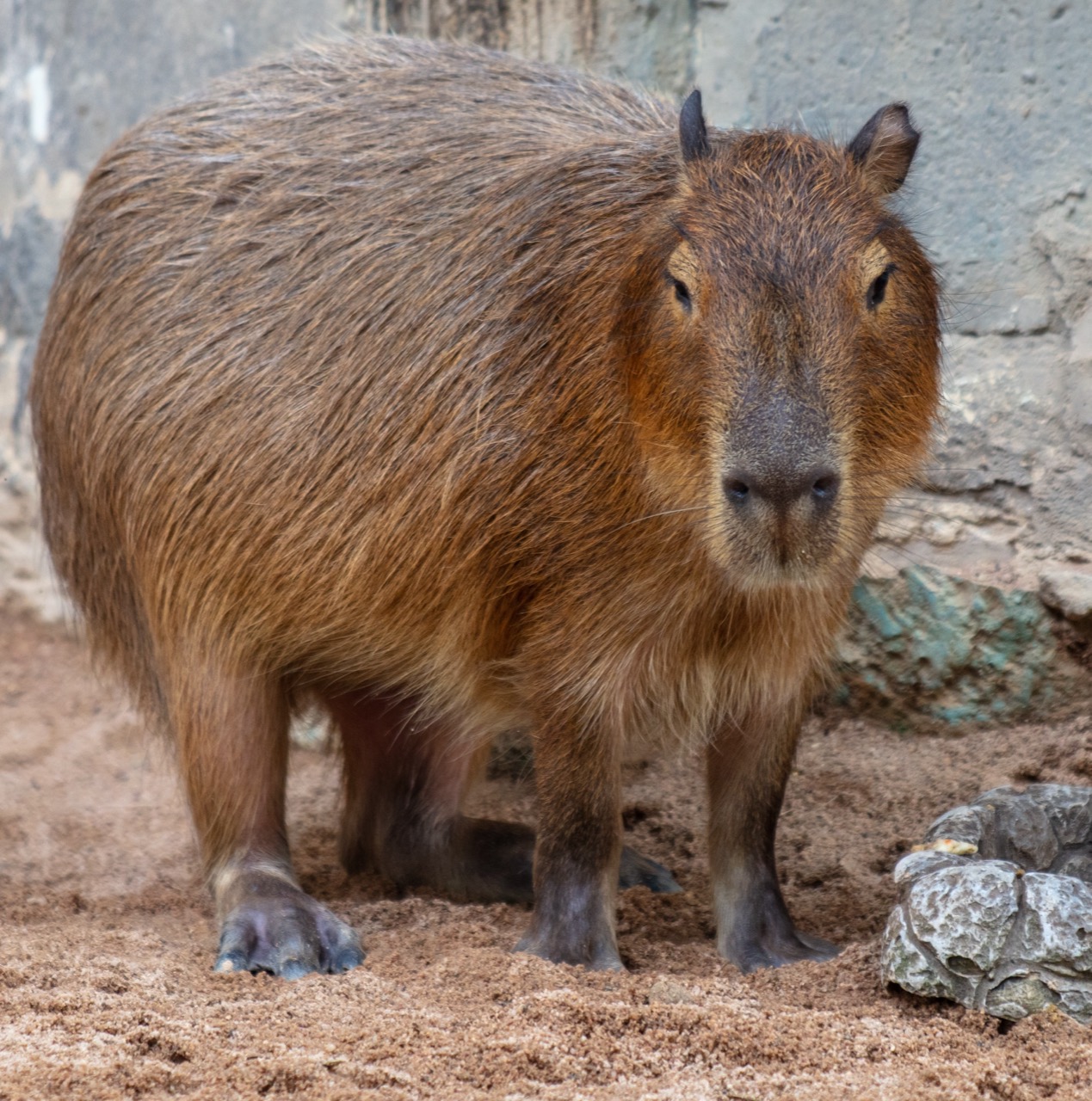
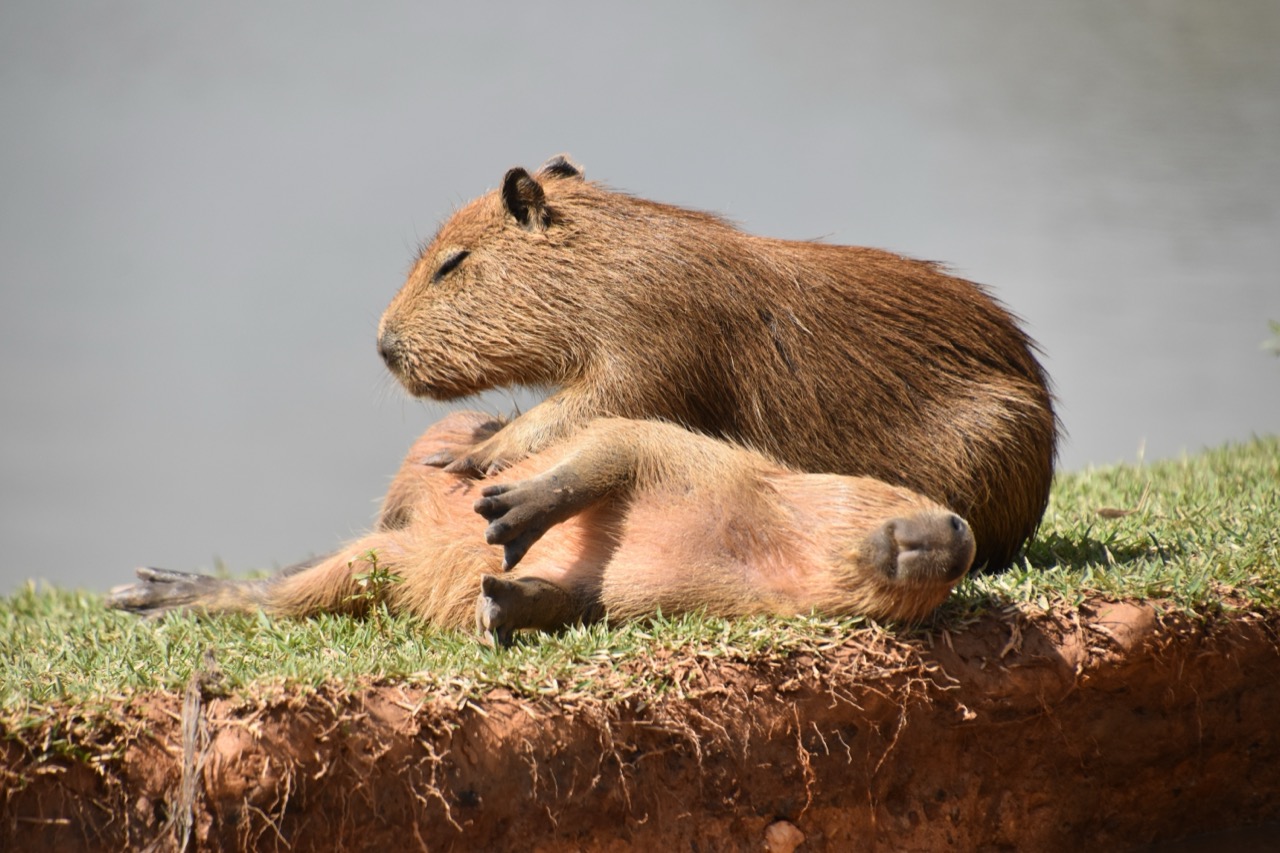
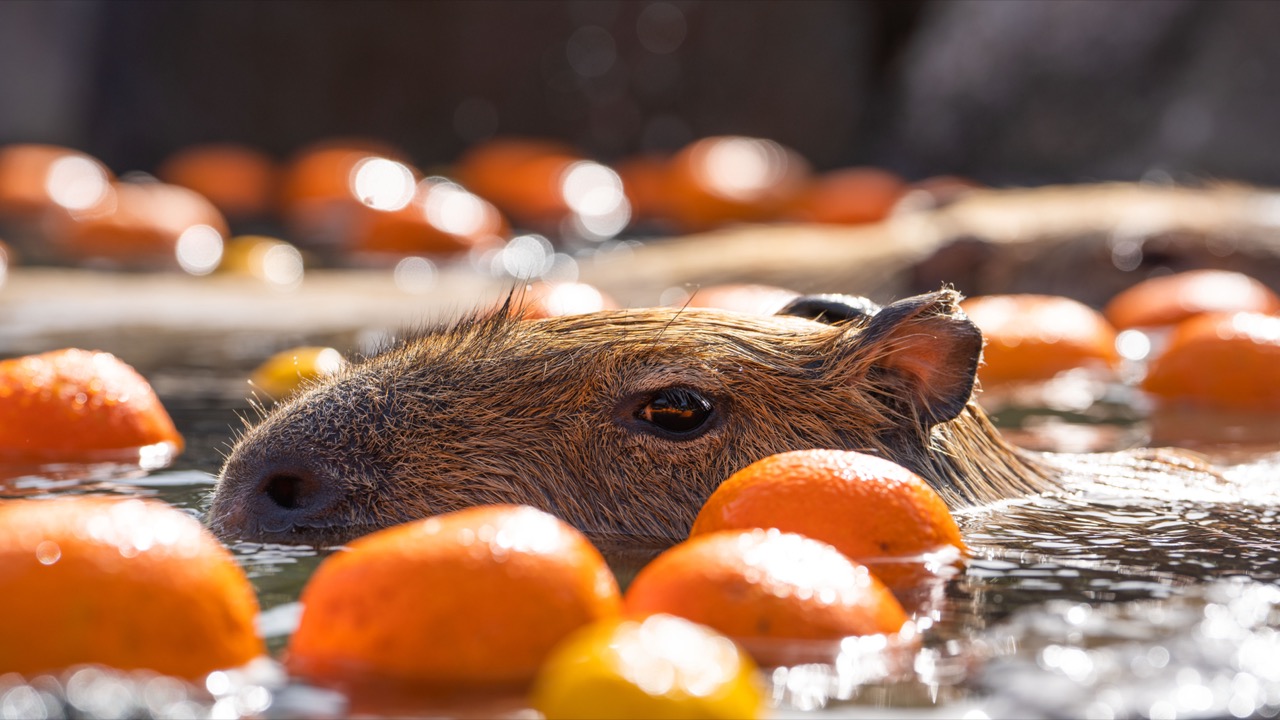
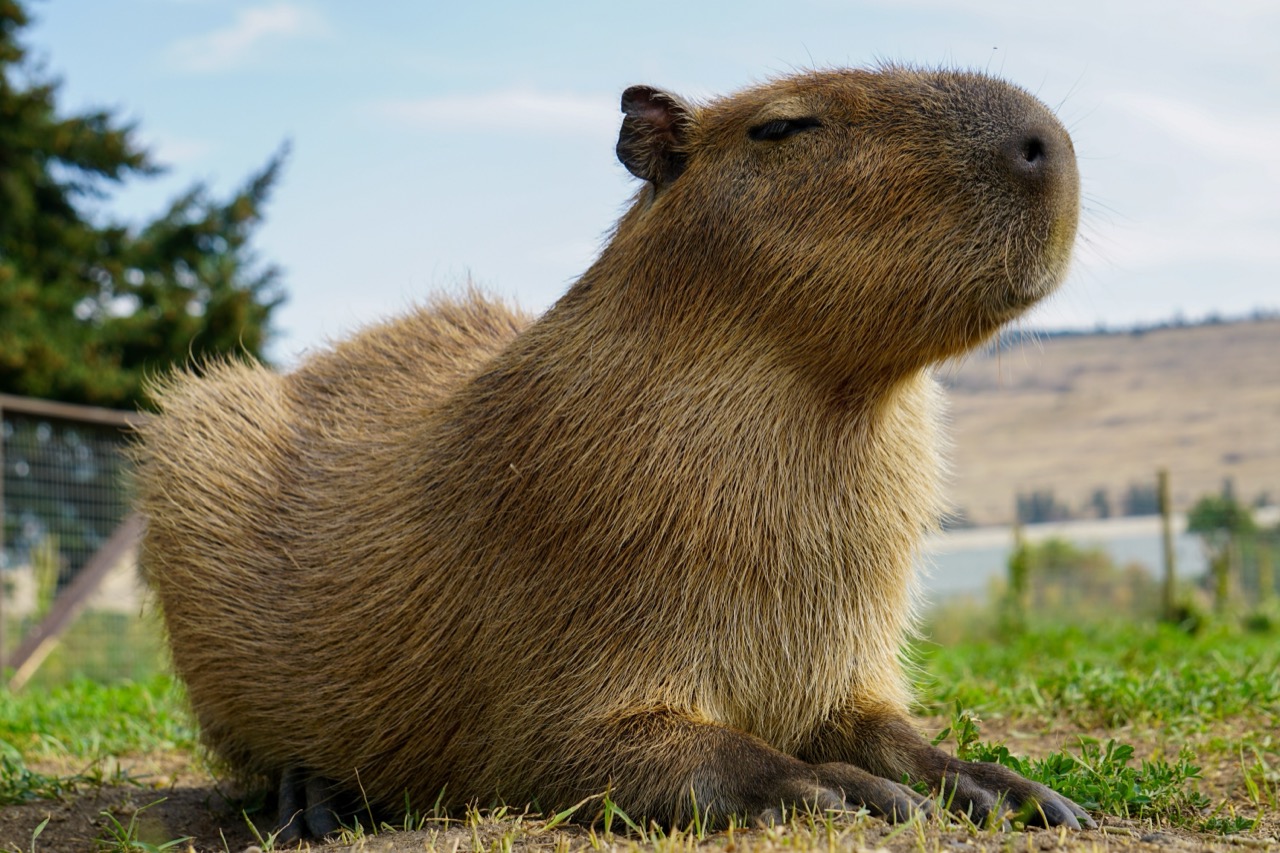
If you have ever seen a photo of a huge, calm rodent soaking in a hot spring or lounging beside a pond, you have probably met the capybara, at least virtually. Often called marshland gentle giants, capybaras are the largest rodents in the world and have become favorites in wildlife documentaries, online videos, and zoos. Their relaxed attitude, social nature, and unusual habits make them fascinating animals to learn about.
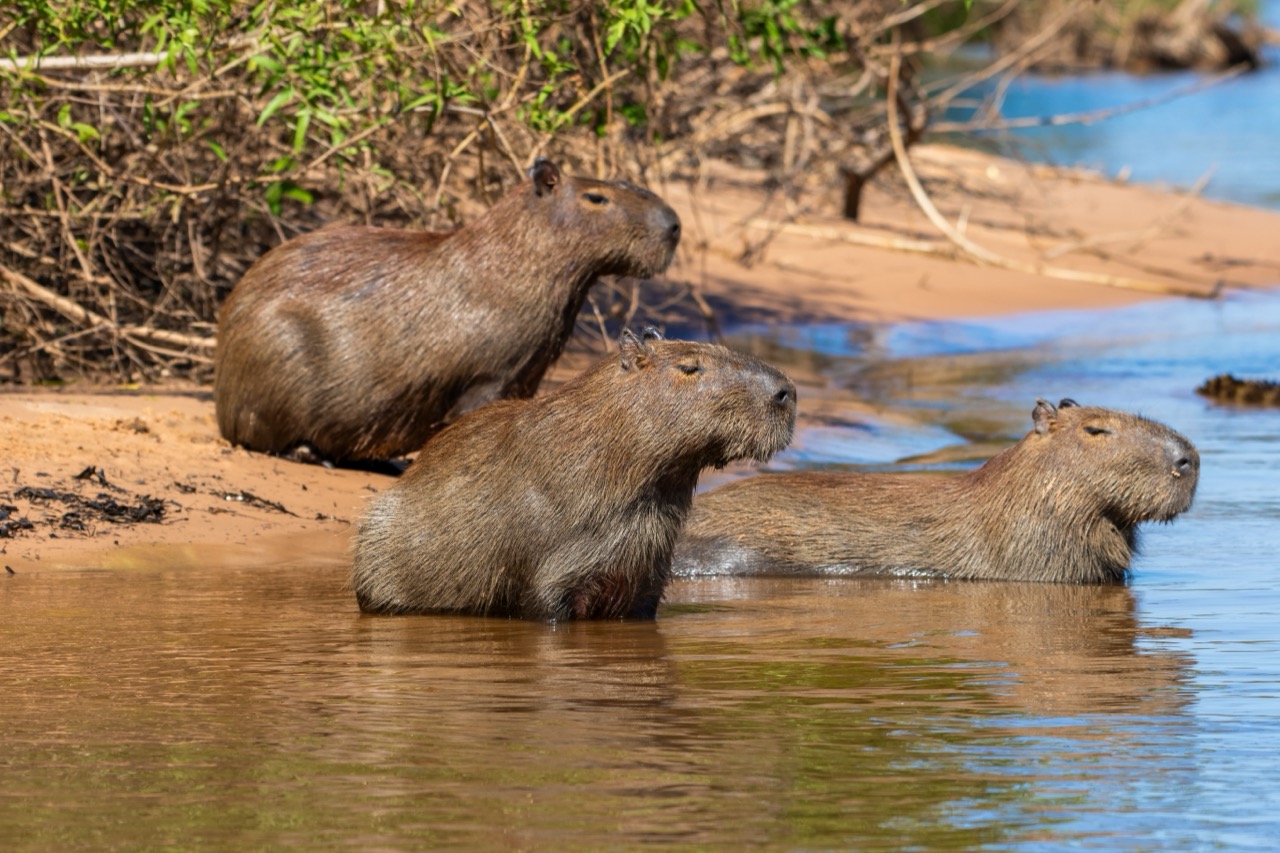
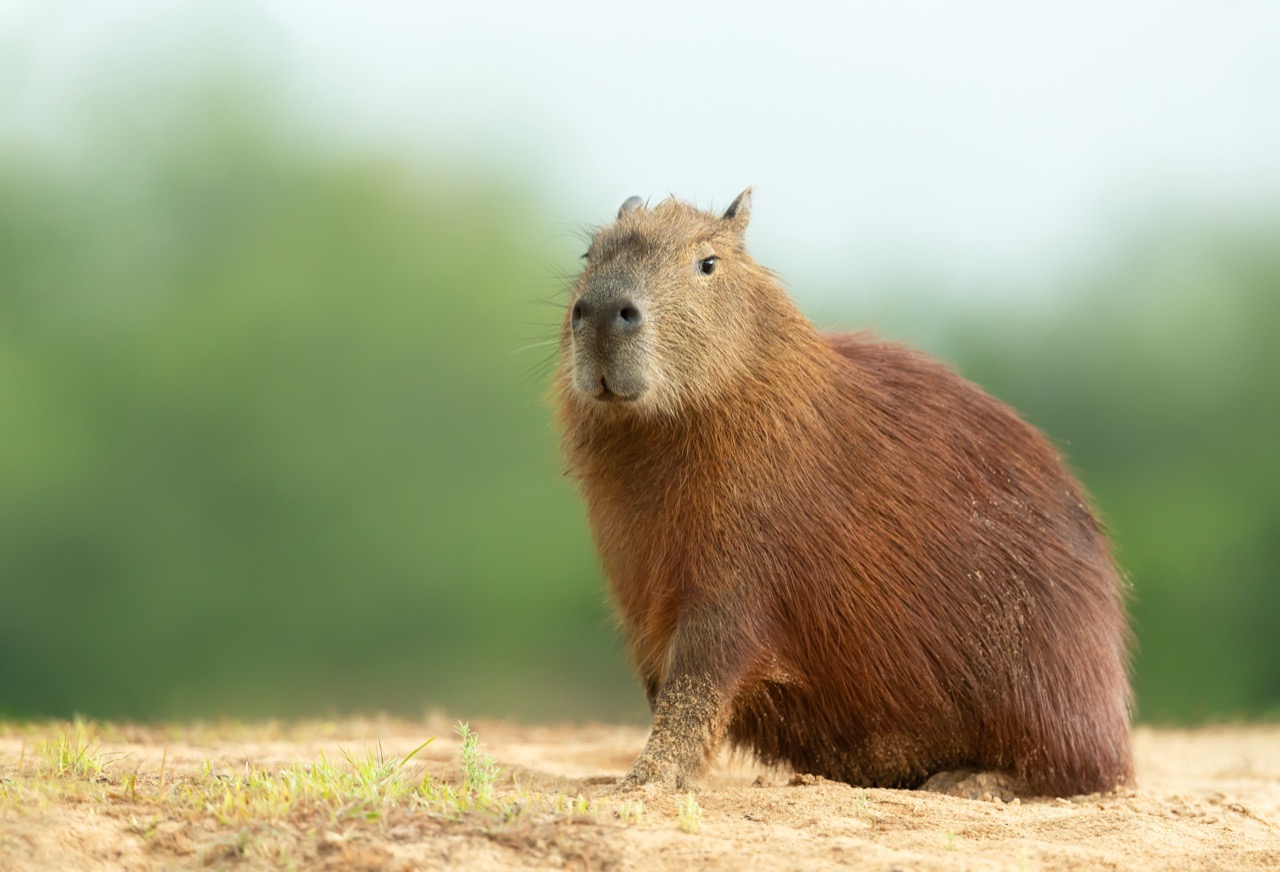
Capybaras are native to South America, where they live in grassy wetlands, marshes, and along the edges of rivers and lakes. They are semi aquatic, which means they split their time between land and water. Their bodies are perfectly designed for this lifestyle. They have slightly webbed feet that help them paddle, and their eyes, ears, and nostrils sit high on their heads so they can see, hear, and breathe while most of their body stays underwater. Capybaras are strong swimmers and can hold their breath for several minutes, a handy skill when they want to hide from predators or cool off in the heat.
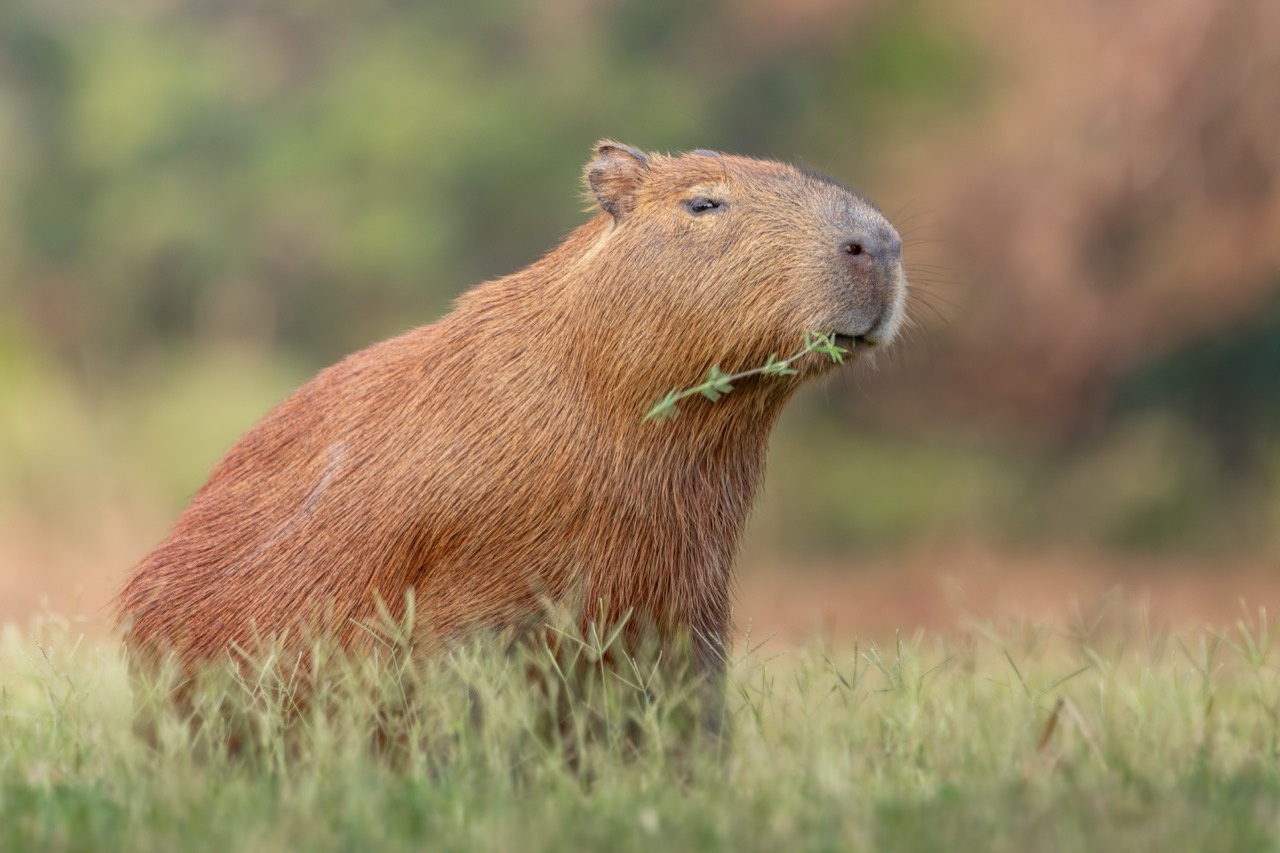
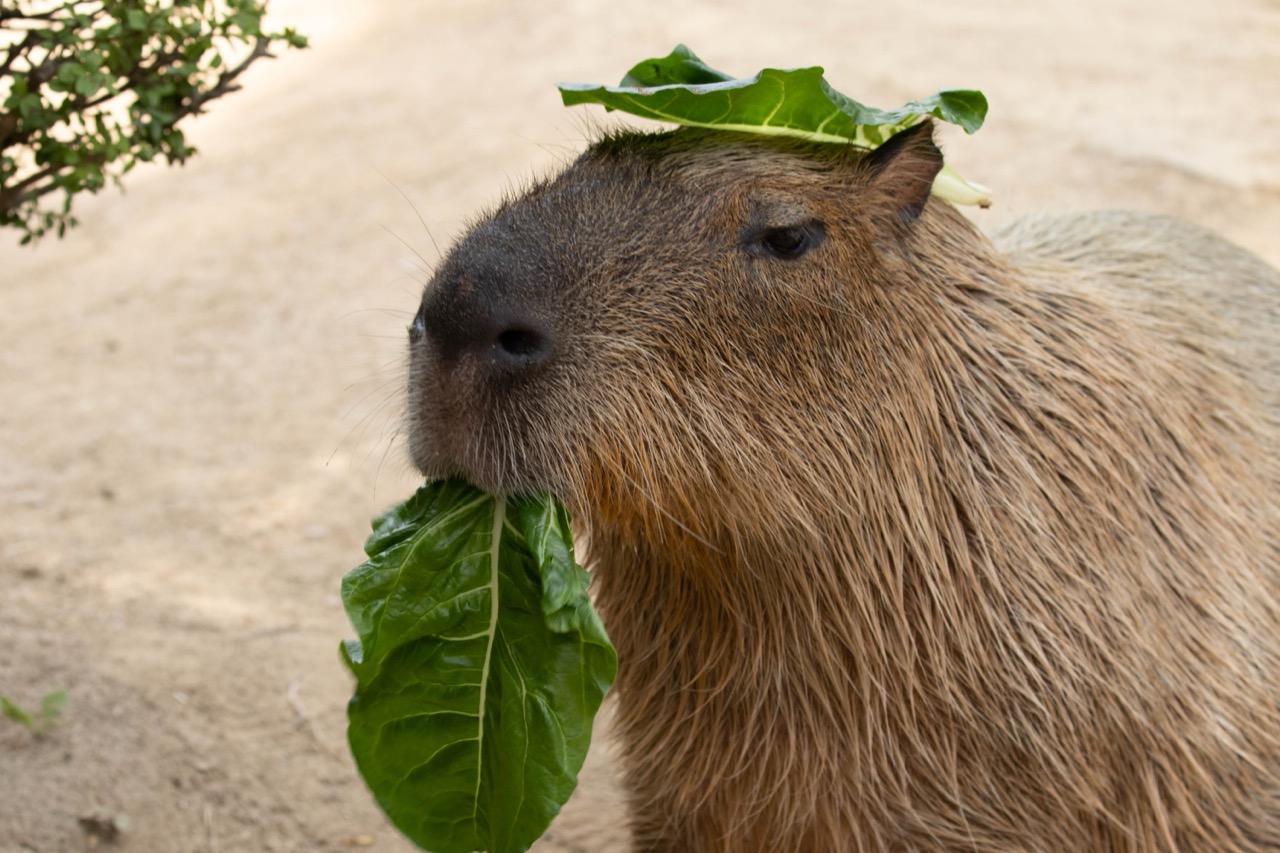
These animals are strict herbivores, feeding mainly on grasses, aquatic plants, and sometimes fruits and bark. Their teeth grow continuously, just like other rodents, so constant chewing helps keep them worn down. Capybaras often graze in the early morning and late afternoon, resting during the hottest part of the day. They also have a special digestive system that allows them to get the most nutrition out of tough, fibrous plants. Part of this process involves eating some of their own droppings to digest the food a second time, a behavior that is common in several herbivorous animals.
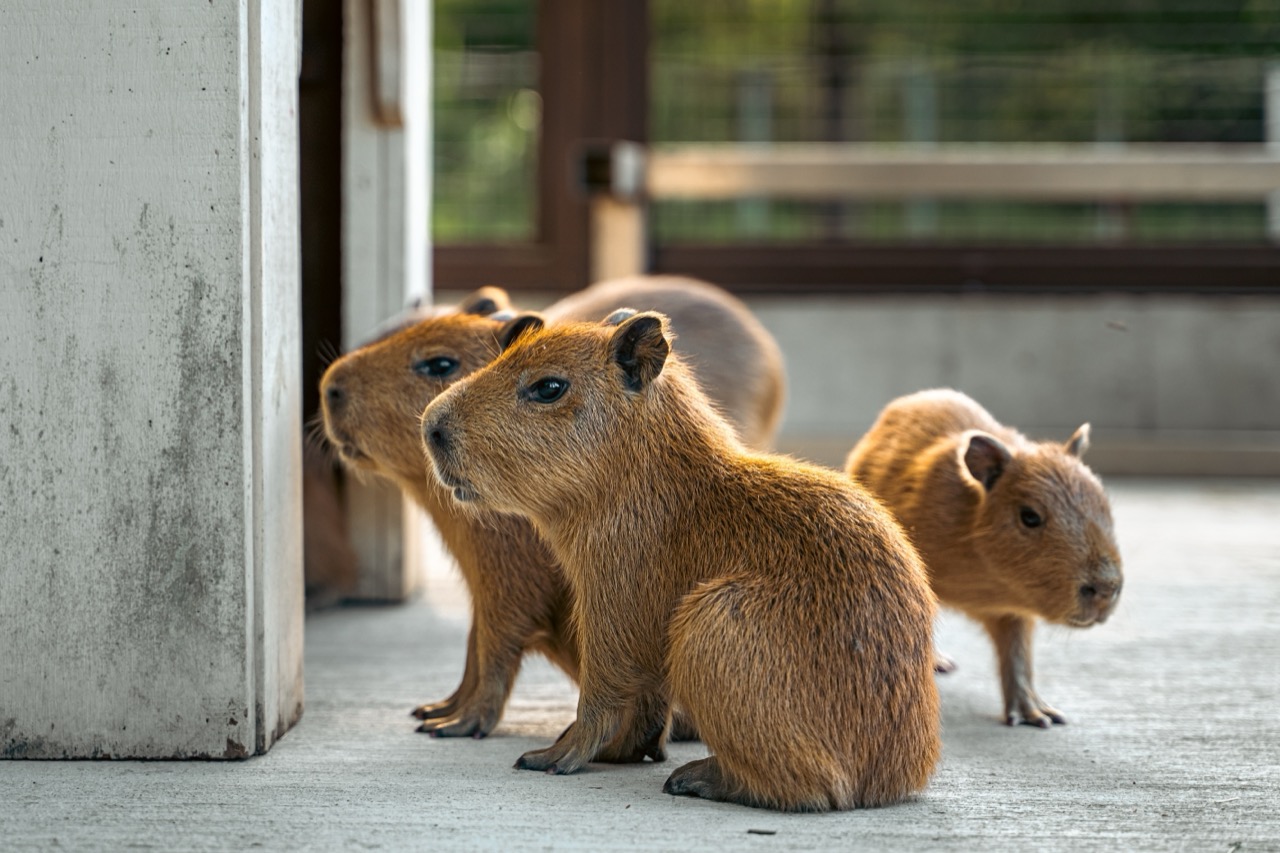
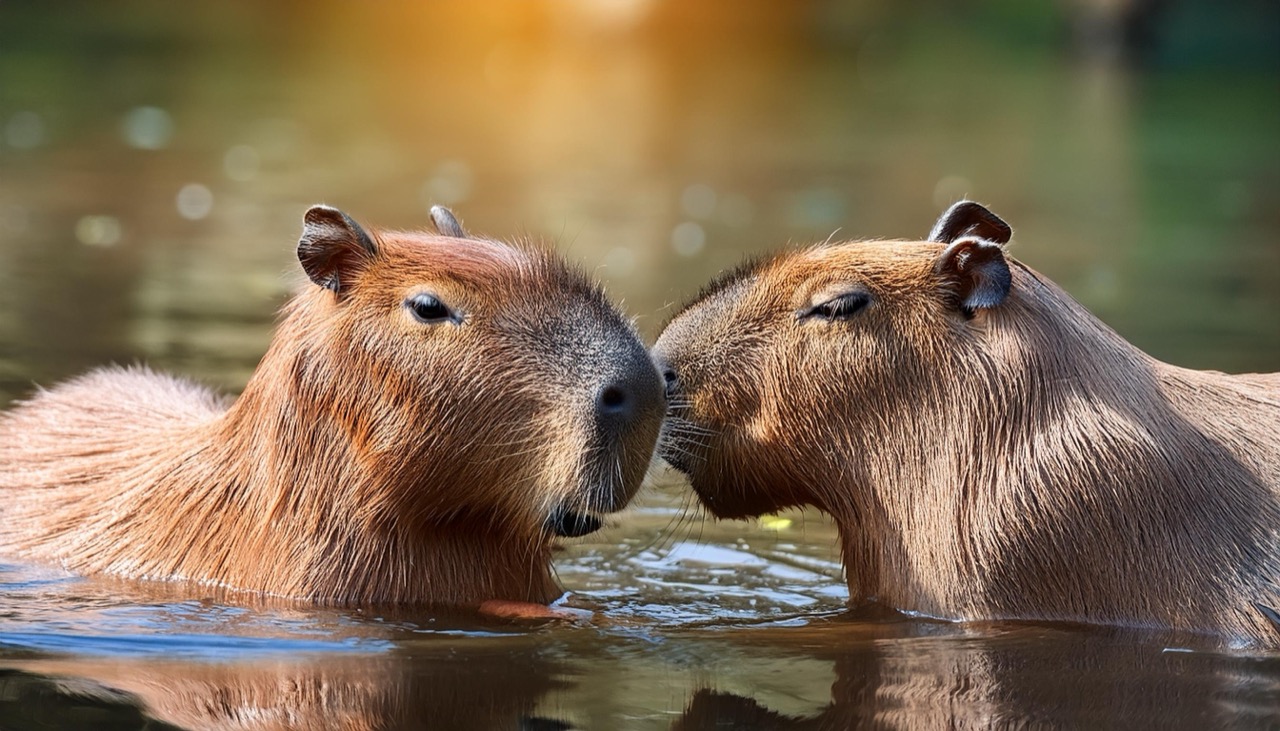
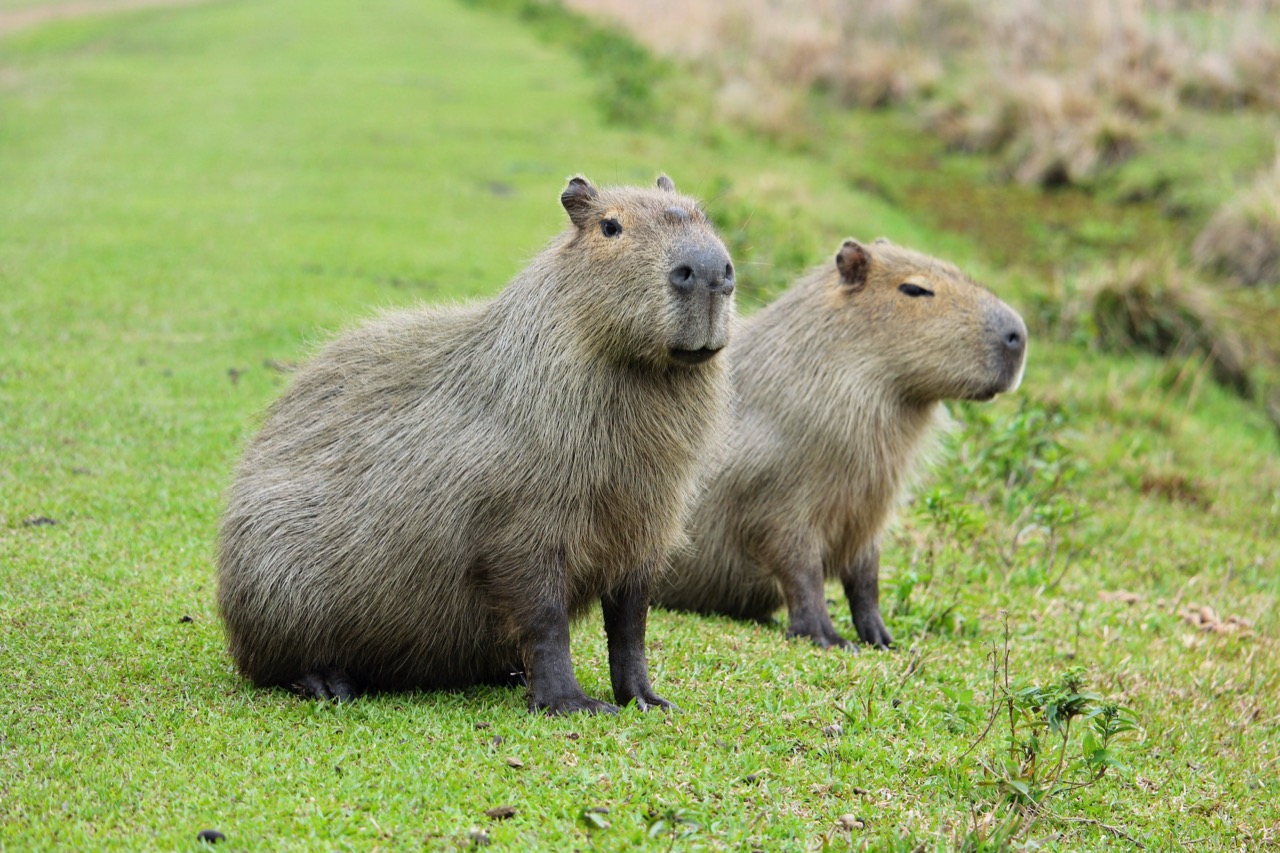
One of the most endearing things about capybaras is how social they are. In the wild, they usually live in groups that can range from a few individuals to several dozen, especially in areas with plenty of food and water. Group life offers protection, more eyes to spot danger, and plenty of chances for grooming and companionship. Capybaras communicate using a variety of sounds, including soft whistles, barks, purr like noises, and even clicks. These calls can signal alarm, help mothers and babies stay in touch, or simply maintain contact within the group.
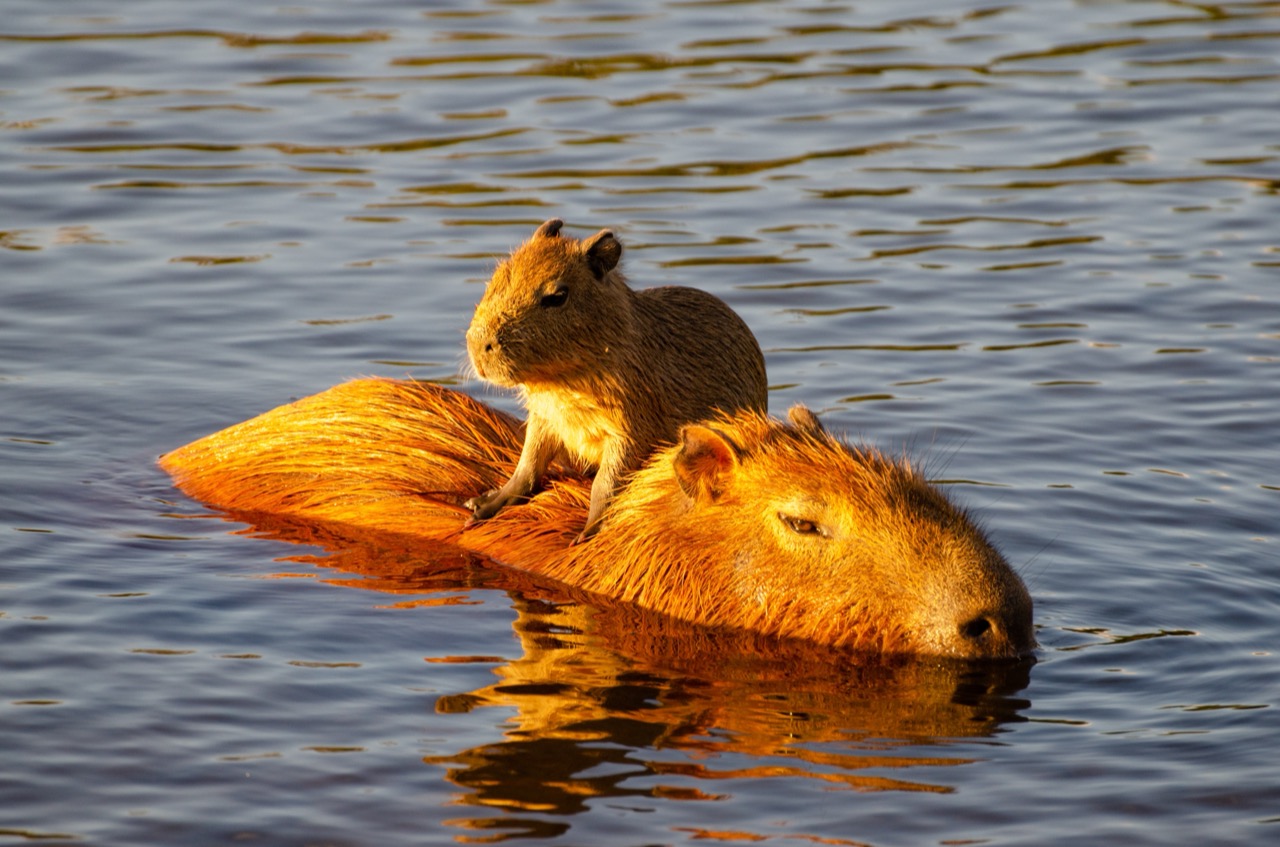
Capybaras are famous for their calm temperament. They often seem unbothered when birds perch on their backs or when other animals rest nearby. In the wild, you might see them sharing space with herons, small mammals, and even monkeys. This tolerance makes them look like the laid back hosts of the wetland, offering a safe resting platform and a peaceful presence. Their gentle nature is one reason they are popular in zoos and animal parks, where visitors enjoy watching them soak, nap, and interact.
Despite their popularity, capybaras still face challenges. Habitat loss, hunting, and conflicts with agriculture can affect wild populations in some regions. Conservation efforts focus on protecting wetlands and managing hunting so that people and capybaras can coexist.
Whether you know them from internet memes, cute videos, or a visit to the zoo, capybaras are more than just funny looking giant rodents. They are highly adapted, social, and surprisingly complex animals. As you explore a quiz about them, you will uncover details about how they live, communicate, and thrive in their watery world, and you may come away with a new appreciation for these marshland gentle giants.