Nine Lives Wisdom Challenge









Quiz Complete!
Whiskerless Wisdom: The Hidden Science of Cats

Introduction Cats can look like effortless loungers, but behind the quiet paws is a highly tuned animal shaped by evolution, human history, and a surprisingly sophisticated body. Understanding how cats sense the world, communicate, and stay healthy makes everyday behaviors like midnight zoomies or slow blinks feel less mysterious. This overview highlights key facts about feline anatomy, behavior, domestication, and health that pair well with a deeper knowledge quiz.
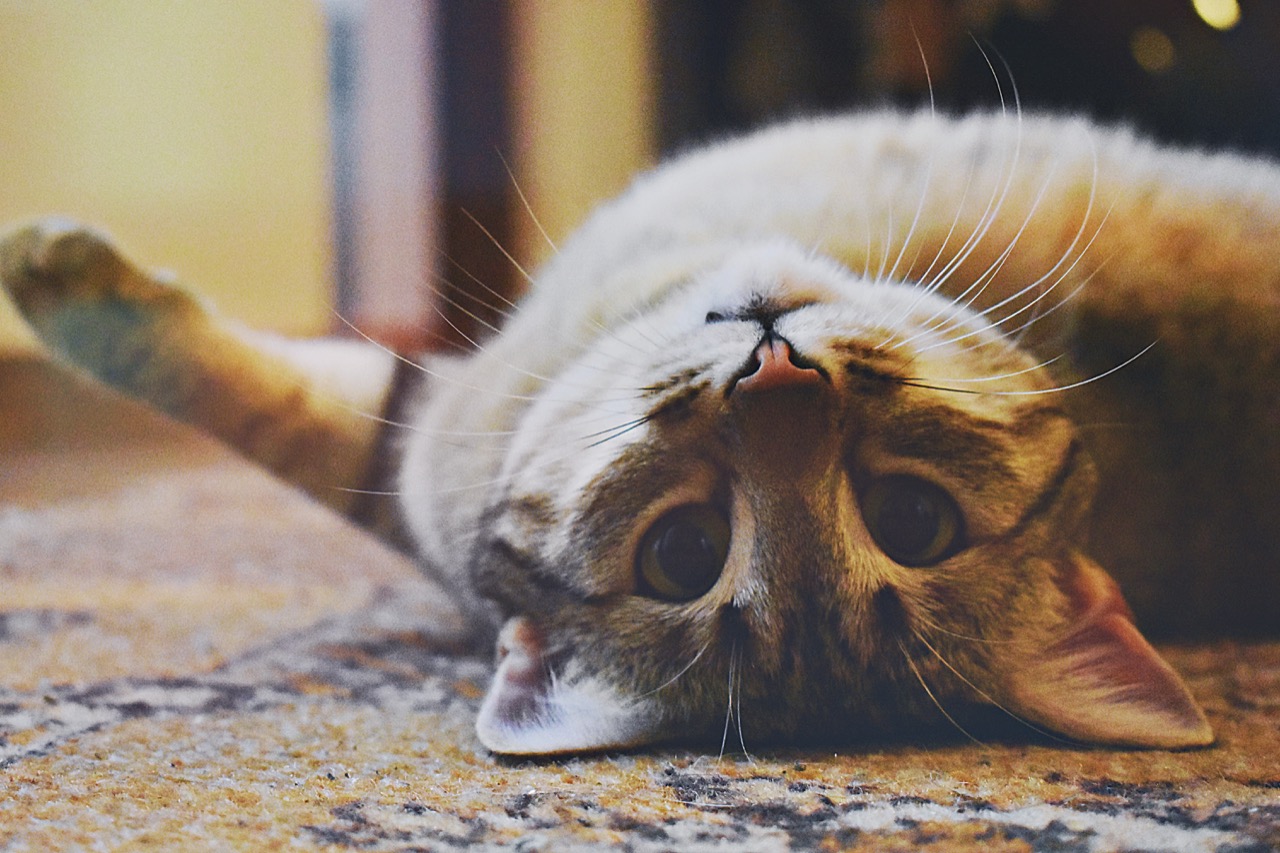
Senses and anatomy built for precision A cat’s whiskers are not just decoration. They are specialized hairs connected to sensitive follicles that help measure spaces, detect air currents, and guide movement in low light. Many cats also have whisker like hairs above the eyes and on the forelegs, adding to their touch based map of the environment.
Vision is another area where cats are often misunderstood. Cats see well in dim light because their eyes gather light efficiently and their retinas are rich in rod cells that detect motion. They do not see in total darkness, but they can function in lighting that would challenge humans. Their hearing is equally impressive, tuned to higher frequencies than ours, which helps them detect small prey.
One of the most overlooked features is the flexible spine and powerful hindquarters. This design supports explosive bursts of speed and agile jumping. The claws are retractable, staying sharp for climbing and hunting. Even the tongue is specialized, covered in backward facing hooks that help strip meat and groom fur.
Communication: subtle signals and social strategies Cats communicate with a mix of scent, body posture, facial expression, and sound. A raised tail with a relaxed curve often signals friendly intent, while a puffed tail indicates fear or arousal. Slow blinking is commonly interpreted as a sign of comfort and trust, and many cats respond positively when humans slow blink back.
Purring is not only a happiness signal. Cats may purr when stressed, injured, or in pain, possibly as a self soothing behavior or a way to solicit care. Meowing is especially interesting because adult cats rarely meow at each other. Many experts think cats developed meowing as a flexible tool for communicating with humans, adjusting pitch and timing to get attention.
Hunting instincts and those nighttime antics Even well fed cats retain a strong hunting drive. Their play often mirrors the stalk chase pounce sequence used in real hunting. This is why interactive play with wand toys can be more satisfying than toys that sit still.
Cats are naturally crepuscular, meaning they tend to be most active around dawn and dusk. Nighttime running or sudden bursts of energy can be normal, especially if a cat has been sleeping all day. Enrichment, predictable meal times, and structured play sessions can help shift activity patterns.
Domestication and the cat human partnership Cats likely began living near people when early farming communities stored grain, attracting rodents. Wildcats that tolerated humans gained access to reliable prey, and humans benefited from pest control. Unlike many domestic animals, cats were not intensely bred for work for most of their history, which helps explain why many behaviors still resemble those of their wild relatives.
Health and wellbeing: practical science for everyday care A cat’s health is closely tied to routine observation. Changes in appetite, litter box habits, grooming, or social behavior can be early clues of illness. Dental disease is common and can affect the whole body, so oral care and veterinary checks matter.
Hydration is another key issue. Many cats have a low thirst drive, possibly inherited from desert adapted ancestors. Wet food, water fountains, and multiple water stations can help. Weight management is critical because indoor cats can gain weight easily, increasing risk for diabetes, joint problems, and urinary issues.
Conclusion Cats are small predators, skilled communicators, and quiet negotiators of human life. When you look past the stereotypes, their behavior and biology tell a coherent story of adaptation and partnership. Learning these details does more than boost quiz scores. It helps you understand what a cat is trying to say, what it needs to thrive, and why these familiar companions remain fascinatingly complex.