Paws and Claws Trivia Sprint






Quiz Complete!
Whiskerless Wonders: The Real Science Behind Catlike Curiosity
Introduction Small household hunters have a talent for making ordinary rooms feel like a wilderness full of mysteries. One moment they are asleep in a sunbeam, the next they are sprinting down the hallway as if chasing invisible prey. Their behavior can seem random, but many of their quirks come from specialized senses, athletic anatomy, and a long history of living alongside people. Understanding a few key facts makes their habits feel less puzzling and even more impressive.
Supercharged senses and silent movement Cats are built for detection. Their hearing is tuned for high pitched sounds, which helps them notice tiny movements that humans miss. Their ears can swivel to pinpoint where a sound is coming from, allowing quick decisions about whether to investigate or ignore. Vision is also adapted for low light. They do not see in complete darkness, but their eyes make efficient use of dim conditions, which is why they often seem most alert at dawn and dusk.
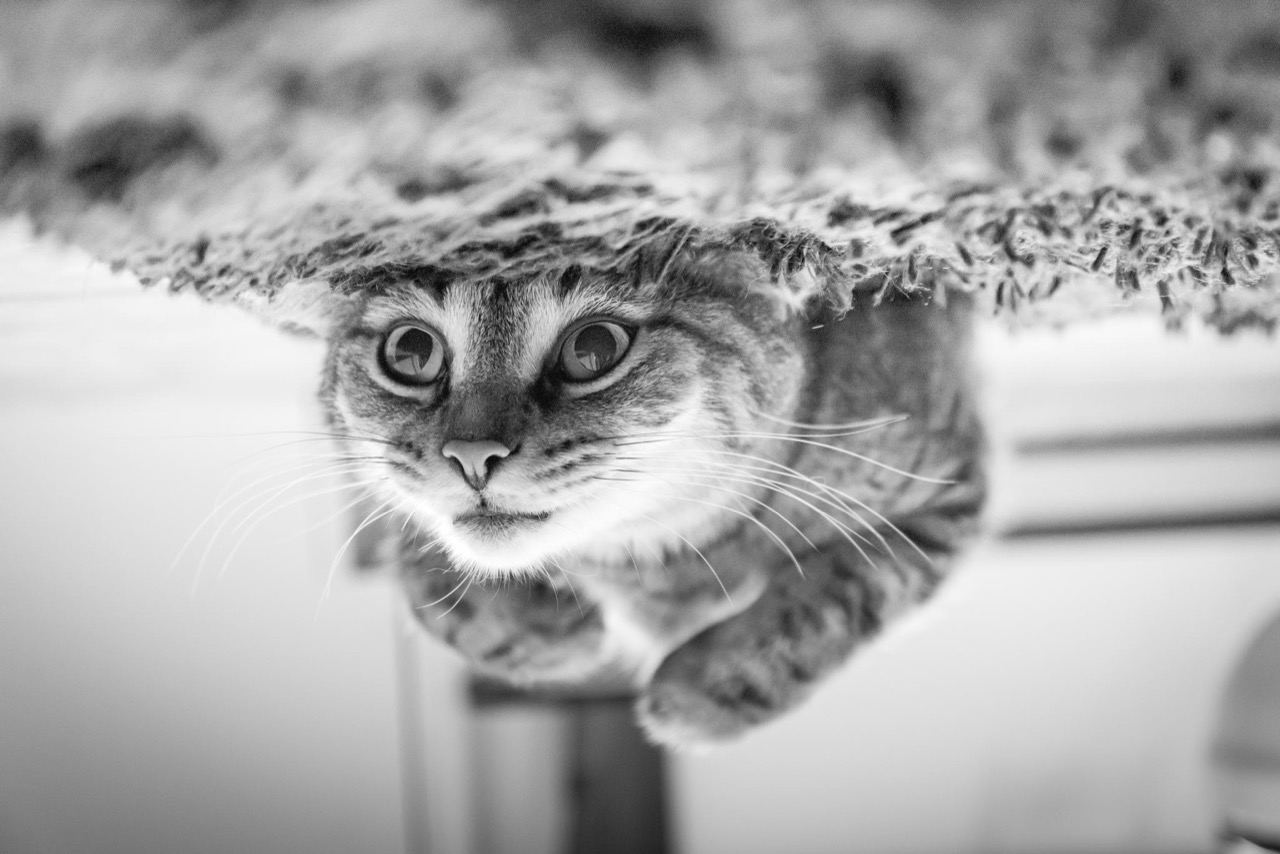
That stealthy walk is not just attitude. Soft paws and careful foot placement reduce noise. Whiskers add another layer of information, acting like sensitive feelers that help judge gaps and navigate in tight spaces. If a cat seems to measure a doorway with its face, it is gathering data about whether the body will fit.
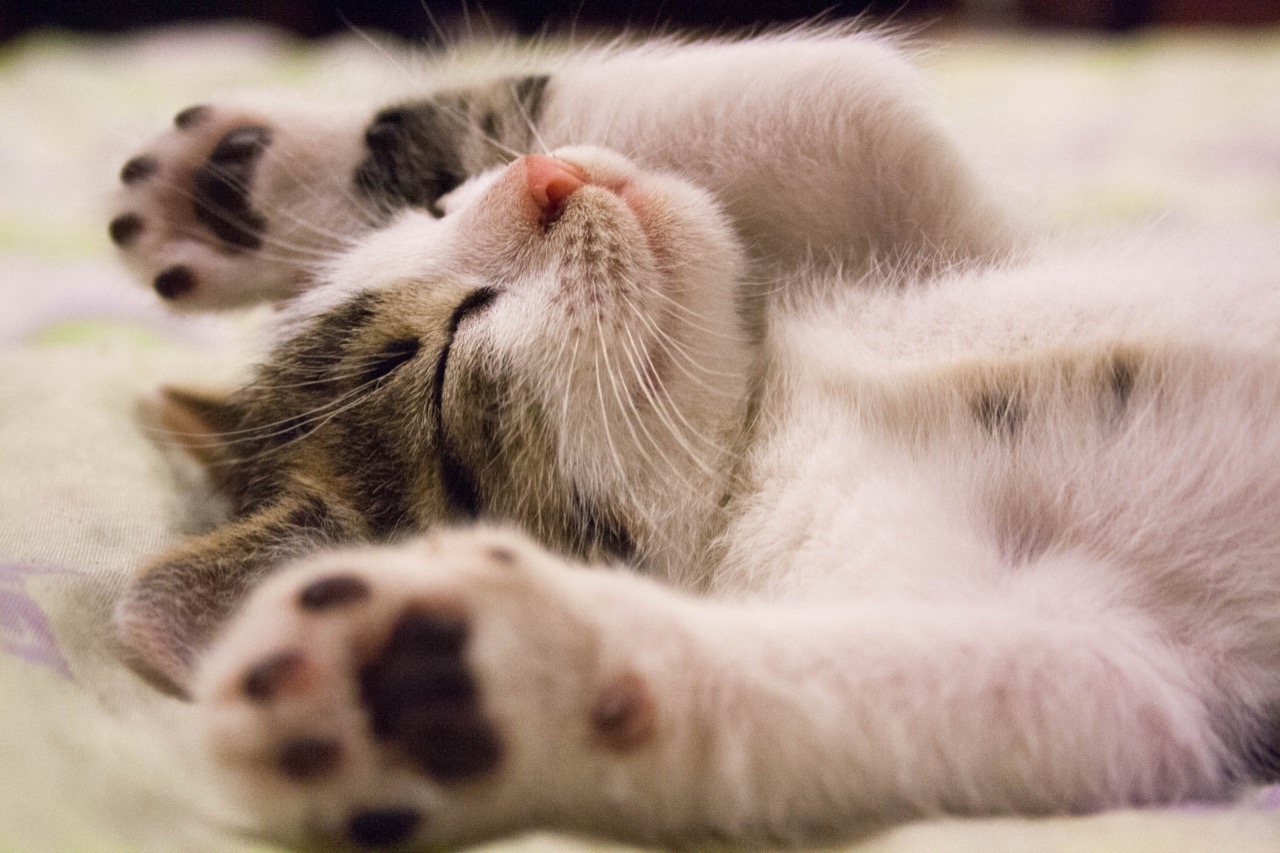
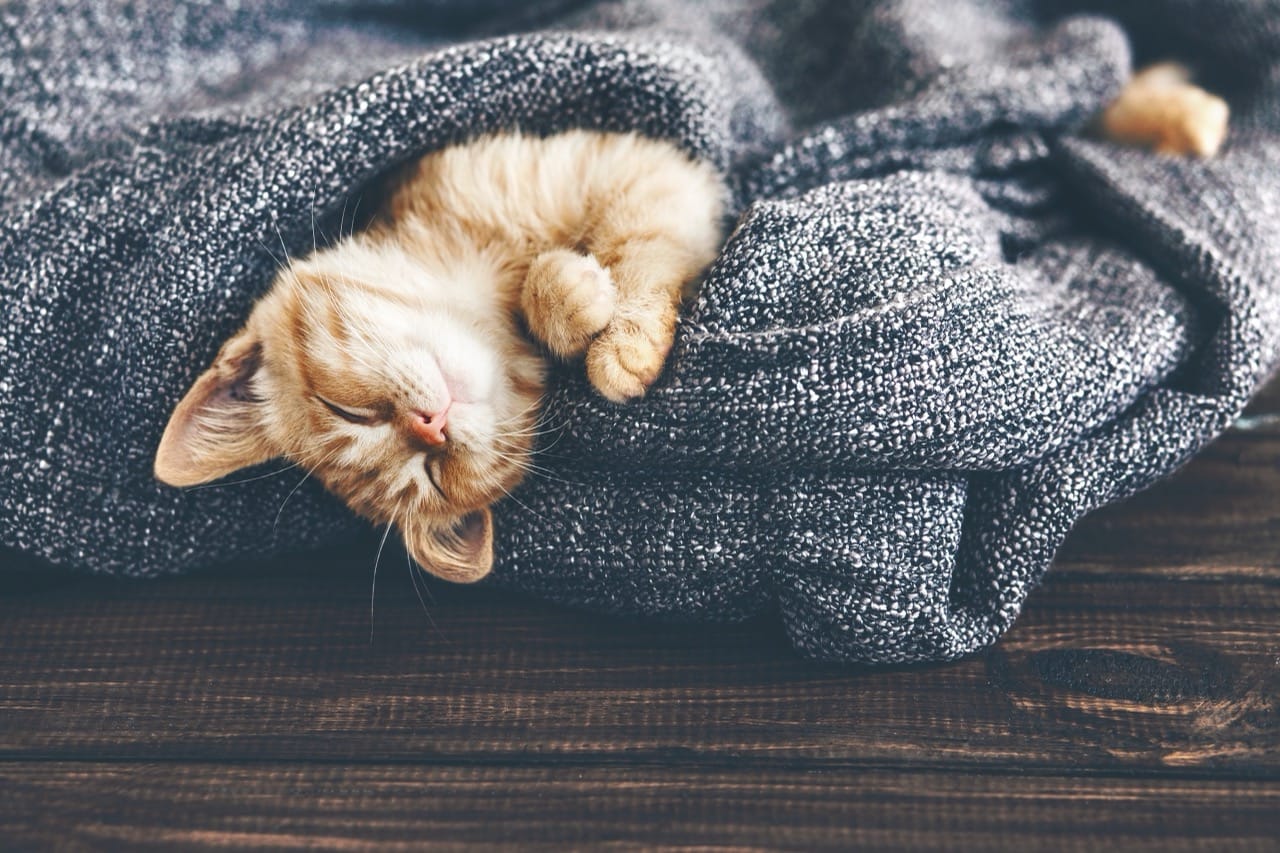
Why naps are serious business Cats can sleep a large portion of the day, and it is not laziness so much as energy strategy. Predators that rely on short bursts of speed often rest to stay ready for action. Even indoor cats may follow this rhythm. Light dozing allows them to wake quickly, which is why a cat can look asleep but respond instantly to a treat bag or a sudden noise.
Zoomies, play, and the hunting script Those sudden sprints are often a release of stored energy and a rehearsal of hunting moves. Stalking, pouncing, and quick turns are not only for catching prey. They also keep muscles and coordination sharp. Play can look silly, but it follows a pattern: watch, creep, strike, and carry. Toys that mimic this sequence tend to hold attention longer than toys that do not.
Graceful landings and athletic anatomy Cats are famous for landing well, and while they are not invincible, they do have advantages. A flexible spine and a tail that helps with balance allow quick midair adjustments. Their righting reflex helps them orient the body during a fall so the feet can meet the ground first. Strong hind legs act like springs, absorbing impact and powering jumps. Still, safe windows and supervised heights matter because injuries can happen, especially from unexpected slips.
Communication habits that feel like mind reading A cat stare can feel intense, but eye contact has its own language. Slow blinking is often a relaxed signal, while a fixed, unblinking stare can mean focus or uncertainty. Tail position, ear angle, and whisker posture add context. Purring is usually linked to comfort, yet it can also appear during stress, possibly because the vibration is soothing.
Meows are especially interesting. Adult cats rarely meow at each other in the same way they meow at humans. Many develop a personalized set of sounds that work on their household, from polite chirps to urgent calls. In other words, some cats learn what gets results.
The mystery of the irresistible box The love of boxes is partly about security. A small enclosure offers a hiding place, blocks drafts, and creates a controlled viewpoint for watching the world. Curiosity plays a role too. New objects bring new smells, and cats use scent as a major information source. Rubbing cheeks on corners deposits facial scent markers, a quiet way of saying this space is familiar.
Conclusion Behind every nap, pounce, and box inspection is a toolkit shaped by evolution and refined by life with humans. Cats combine sharp senses, efficient energy use, and subtle communication into a daily routine that can look comedic but is deeply practical. The more you notice the patterns, the more their behavior becomes a series of clever solutions to staying safe, comfortable, and entertained in a human home.