Purr-fect Trivia Showdown











Quiz Complete!
Whiskerless Wonders: A Closer Look at the Household Predator
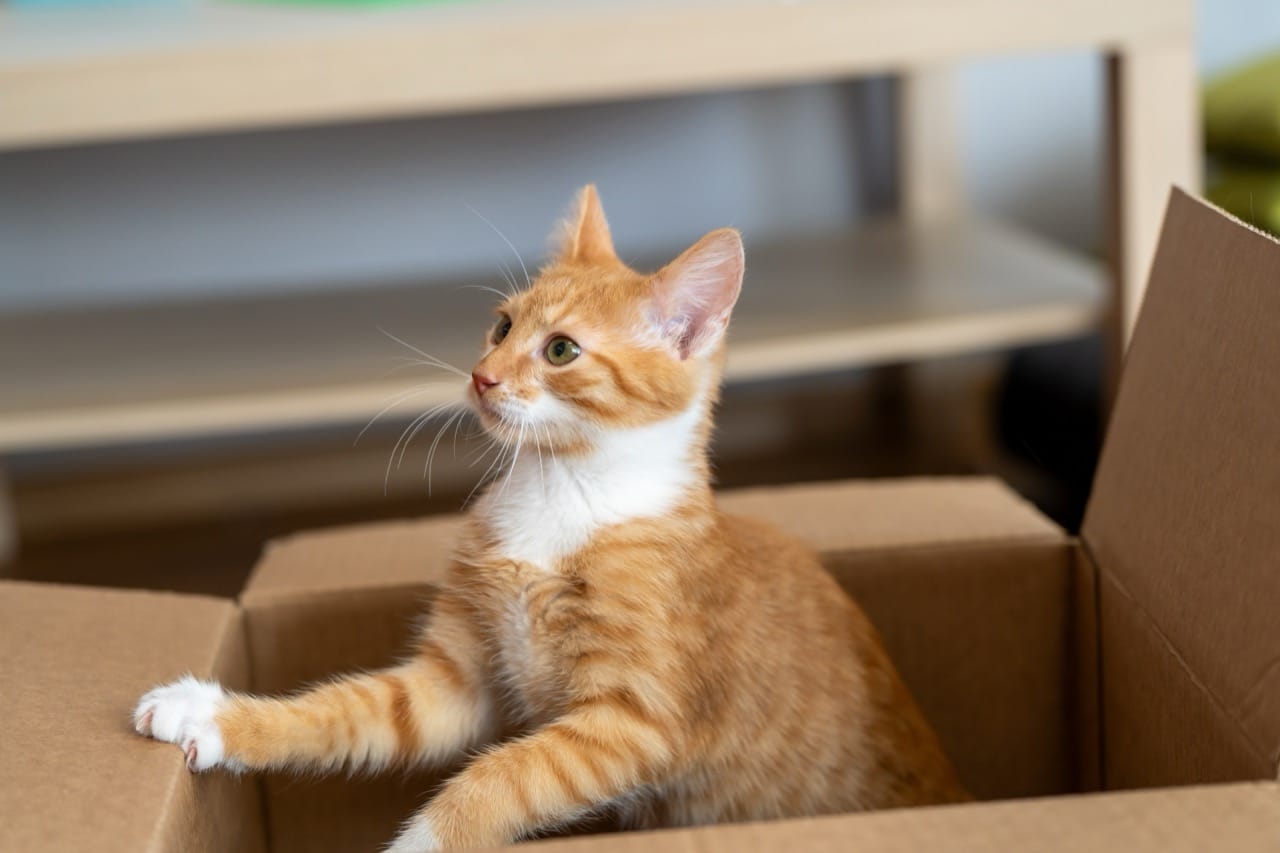
Introduction The small predator curled on the sofa can seem like a living contradiction: a champion napper with sudden bursts of athletic brilliance, silent paws that appear out of nowhere, and a stare that feels oddly intentional. Understanding this animal means looking beyond cute habits and into a world built around stealth, senses, and communication. The more you learn, the more the everyday behaviors make sense.
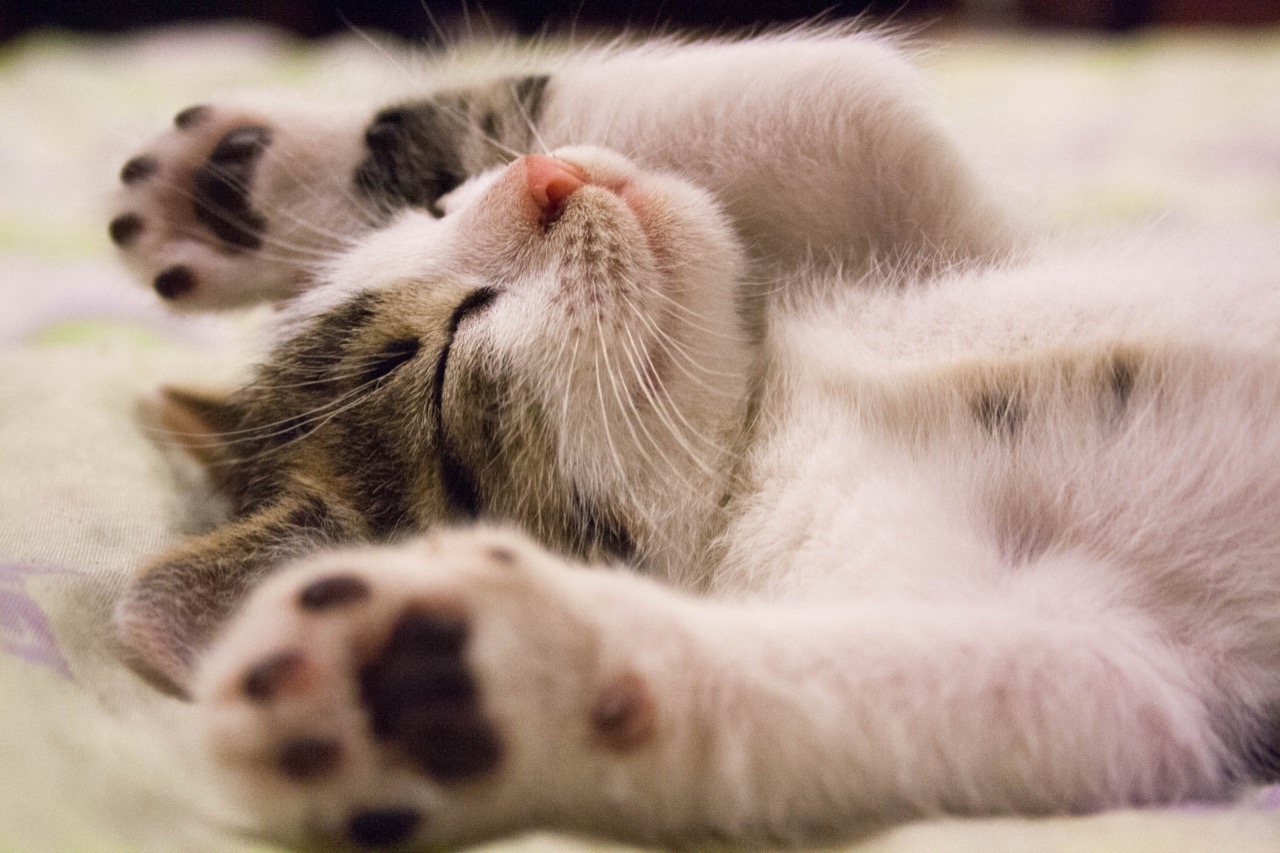
Anatomy built for ambush Those soft toe pads, often nicknamed toe beans, are part of a highly tuned hunting system. The paws help muffle footsteps and provide traction for quick turns. Retractable claws stay sharp because they are protected when not in use, then extend for climbing, gripping, or catching prey. Whiskers are not decoration; they are sensitive touch sensors that help measure openings and detect air currents. If whiskers are trimmed, the animal can become less confident navigating tight spaces. The tail is a balancing tool during jumps, but it is also a signal flag. A fast, twitchy tail often shows high arousal or irritation, while a gently upright tail is frequently a friendly greeting.
A sensory world of scent and sound Vision is specialized for low light and motion. These hunters are excellent at detecting movement, especially at dawn and dusk, but they do not see fine detail at a distance as well as humans do. Hearing is even more impressive. Many can detect high pitched sounds that small prey make, and their ears rotate to pinpoint direction quickly. Scent, however, is the real social network. Scent glands on the face, paws, and along the body leave messages on furniture, doorways, and people. Scratching is not only about claw maintenance; it also deposits scent and creates a visible marker that says this space is familiar. The nose and a special scent processing organ in the roof of the mouth help decode chemical information, which is why you may see a funny open mouthed expression when they investigate an interesting smell.
Communication and social surprises Vocalizations are only part of the story. Slow blinking can function like a relaxed, friendly signal. Ears angled sideways or flattened back can indicate discomfort or fear. A purr is often associated with contentment, but it can also appear during stress or pain, possibly as a self soothing behavior. Socially, many are more flexible than the lone hunter myth suggests. They can form strong bonds with people and, when resources are stable, may live peacefully with other animals. They also learn routines quickly and may train humans just as effectively as humans train them.
Health, myths, and everyday needs A common myth is that they are completely self sufficient. In reality, they need enrichment, play, and safe places to climb and hide. Interactive play that mimics hunting, stalk, chase, pounce, helps reduce boredom and can prevent unwanted behaviors. Nutrition matters too, and fresh water access is essential, especially since some individuals naturally drink less than ideal. Another myth is that a hairball is normal and harmless; frequent vomiting can signal a problem worth discussing with a veterinarian. Regular dental care, weight management, and stress reduction all support a longer, healthier life.
Conclusion The whiskerless wonder on your windowsill is a compact athlete and a sensory specialist, guided by scent maps, subtle body language, and a brain tuned for ambush. The odd habits that make people laugh, the tail flicks, the midnight zoomies, the intense stare, are clues to how this predator experiences the home. With a little science and careful observation, you can read those clues better and appreciate just how remarkable your quiet roommate really is.