The Grin of Rottnest Riddles
Quiz Complete!
The Grin of Rottnest: Understanding the Quokka Beyond the Selfie
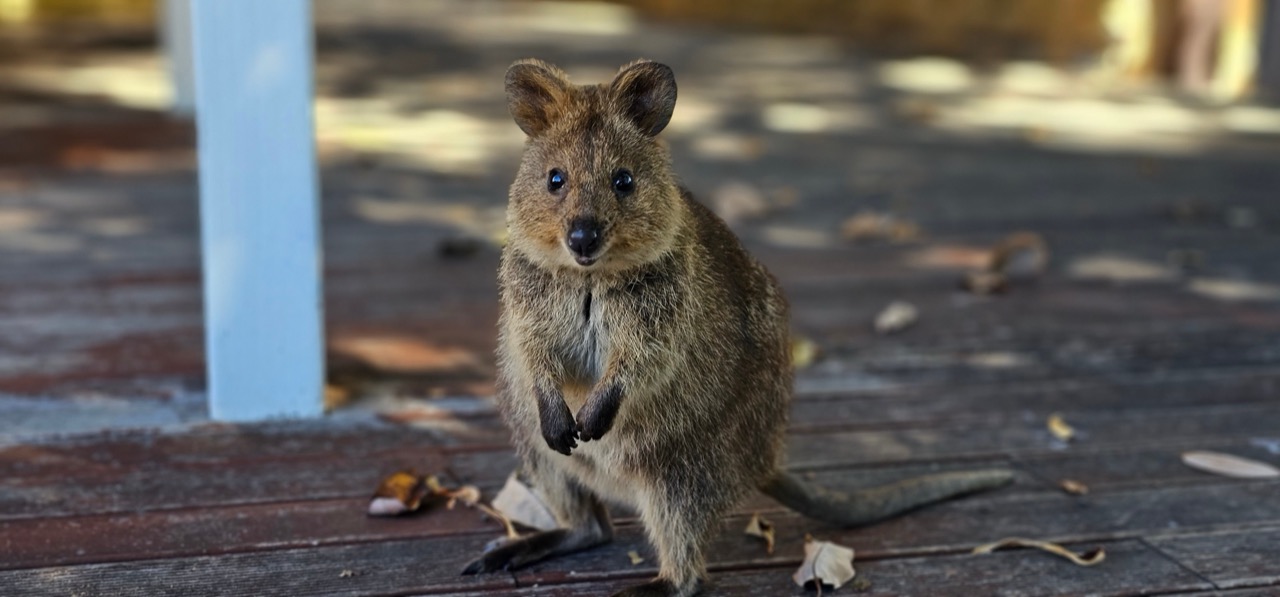
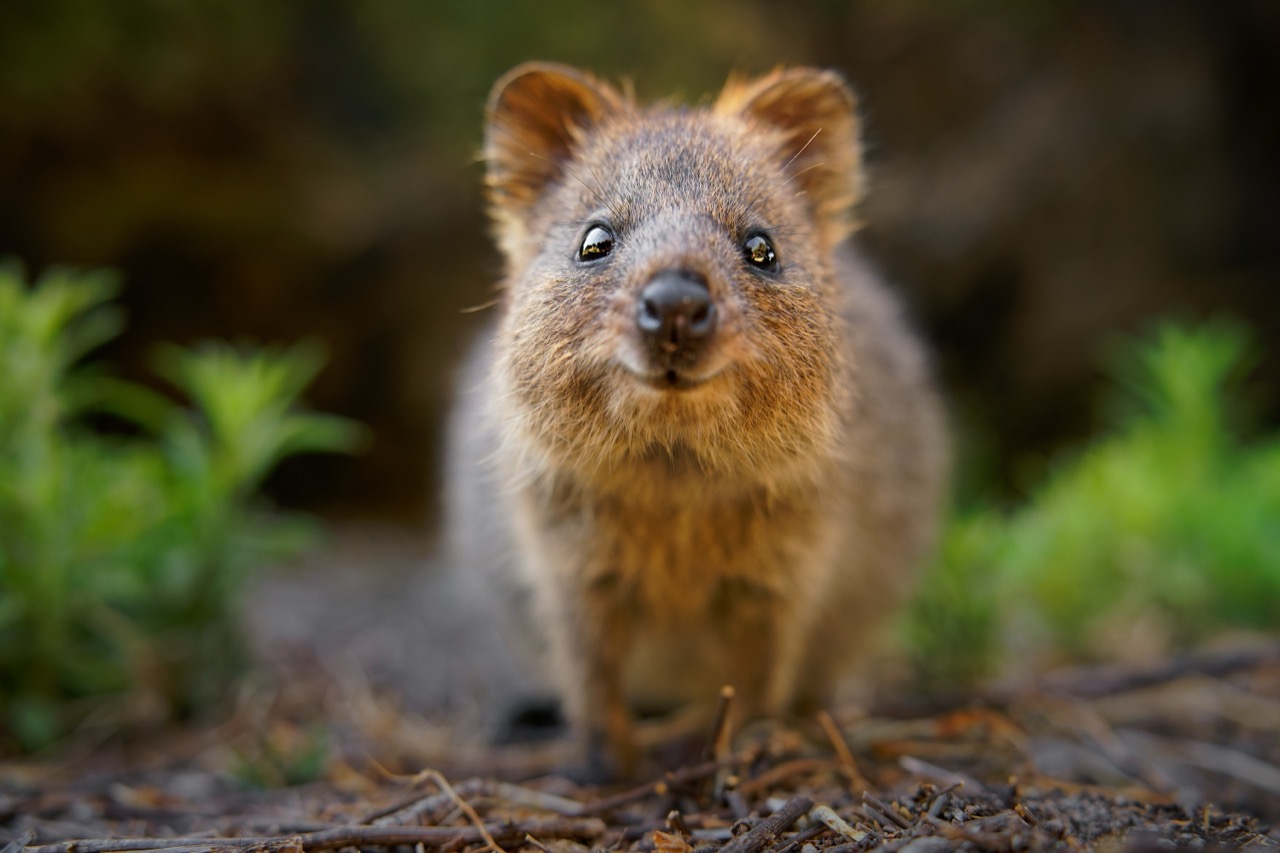
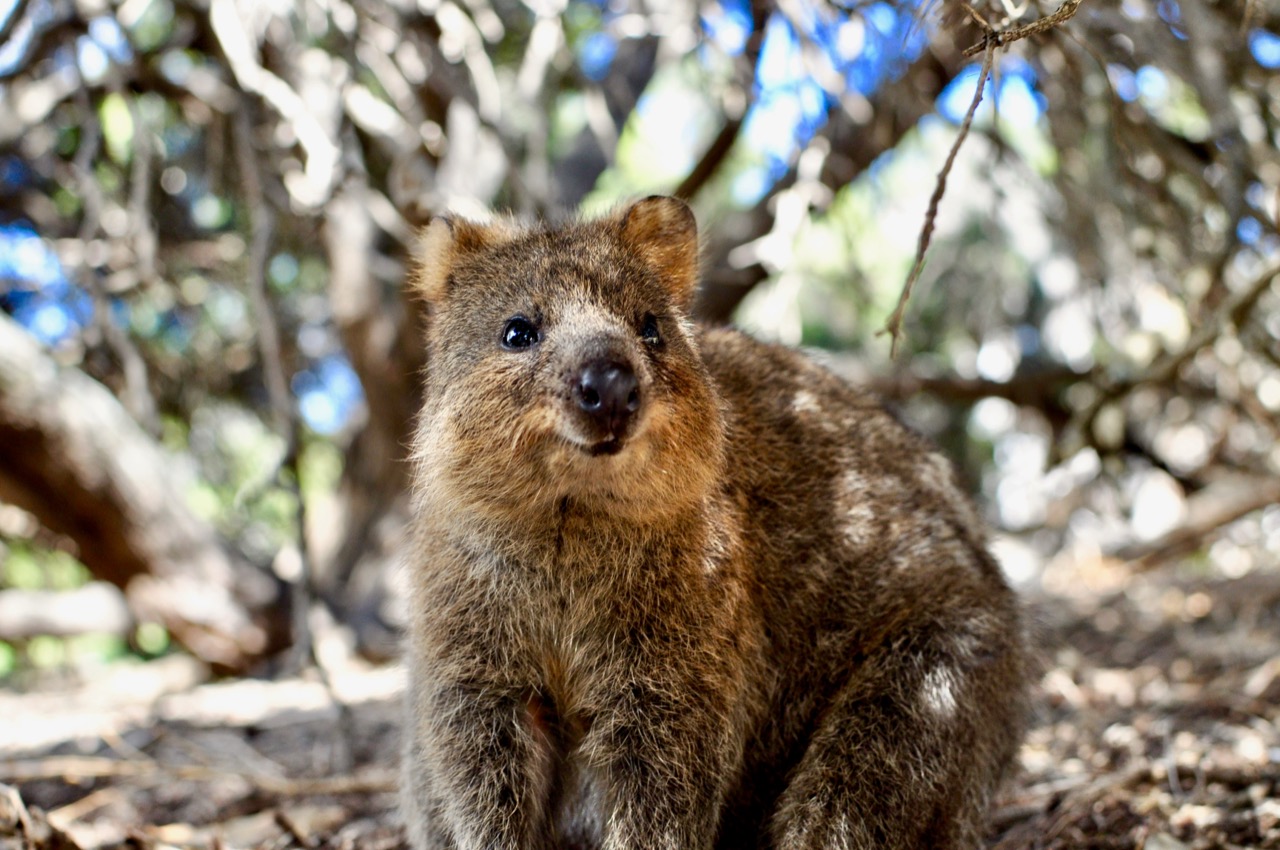
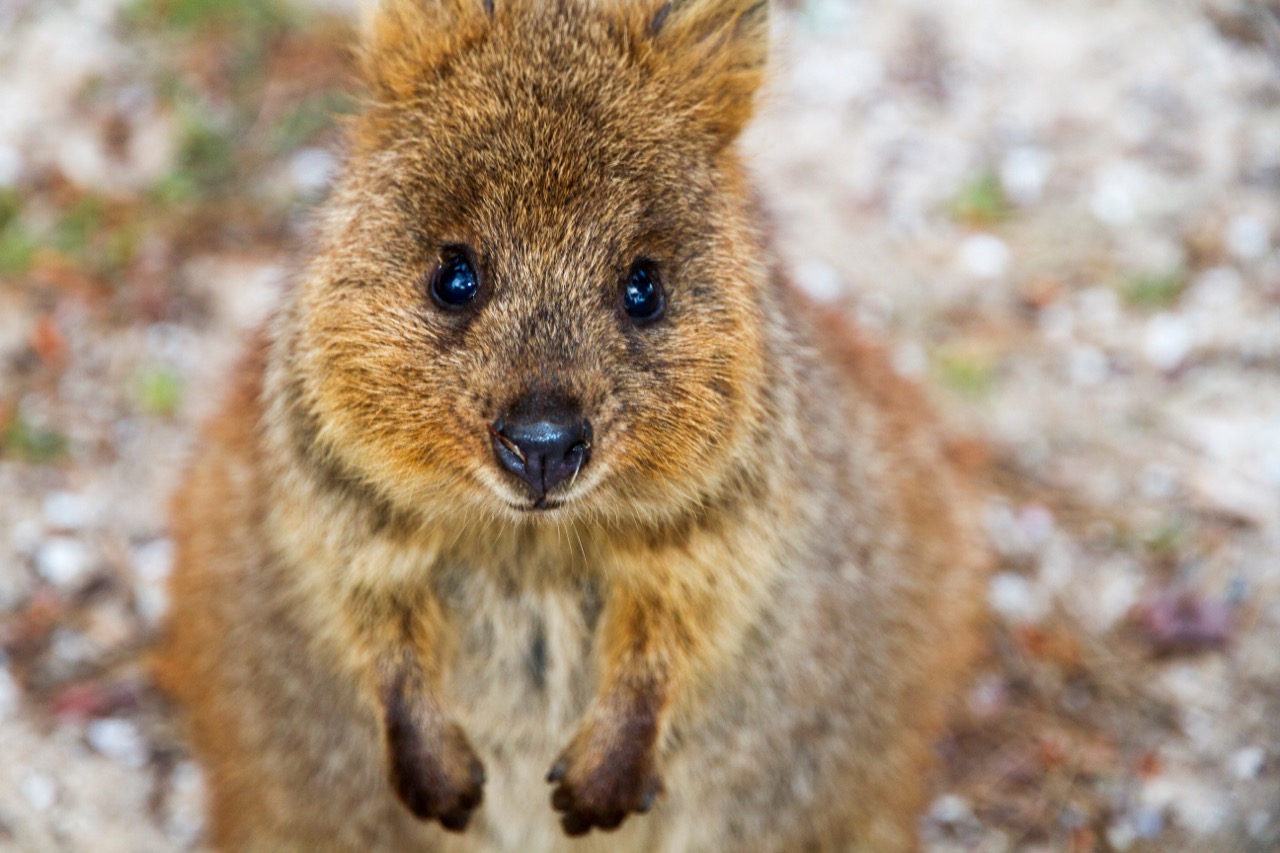
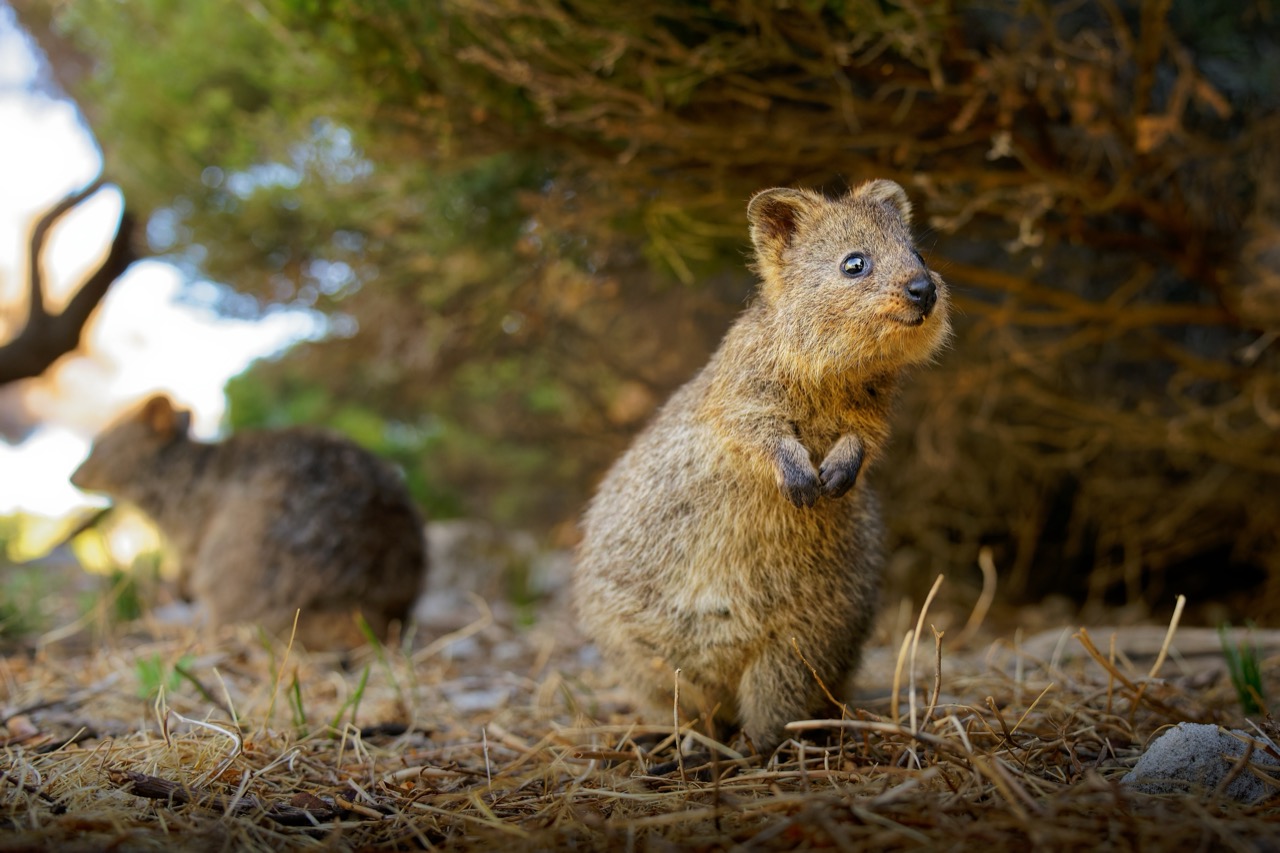
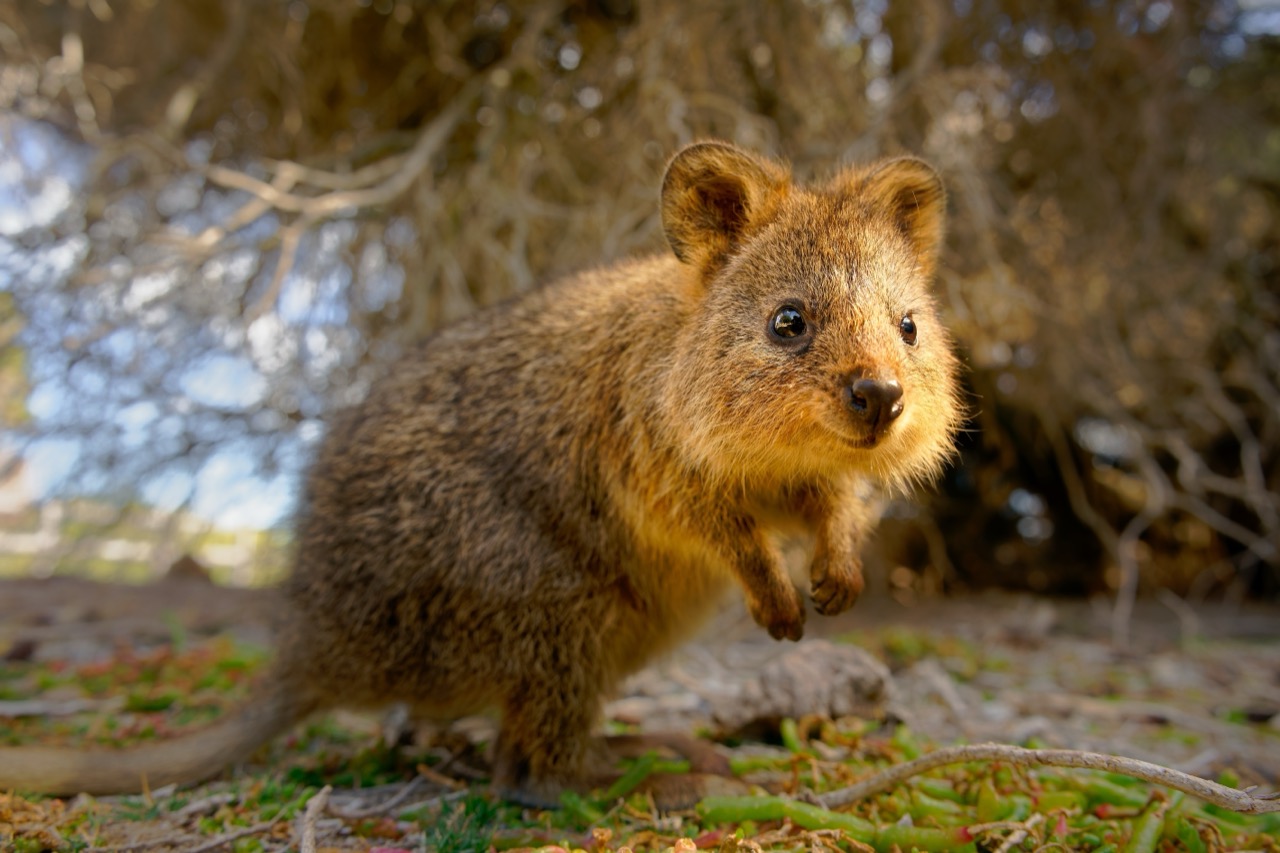
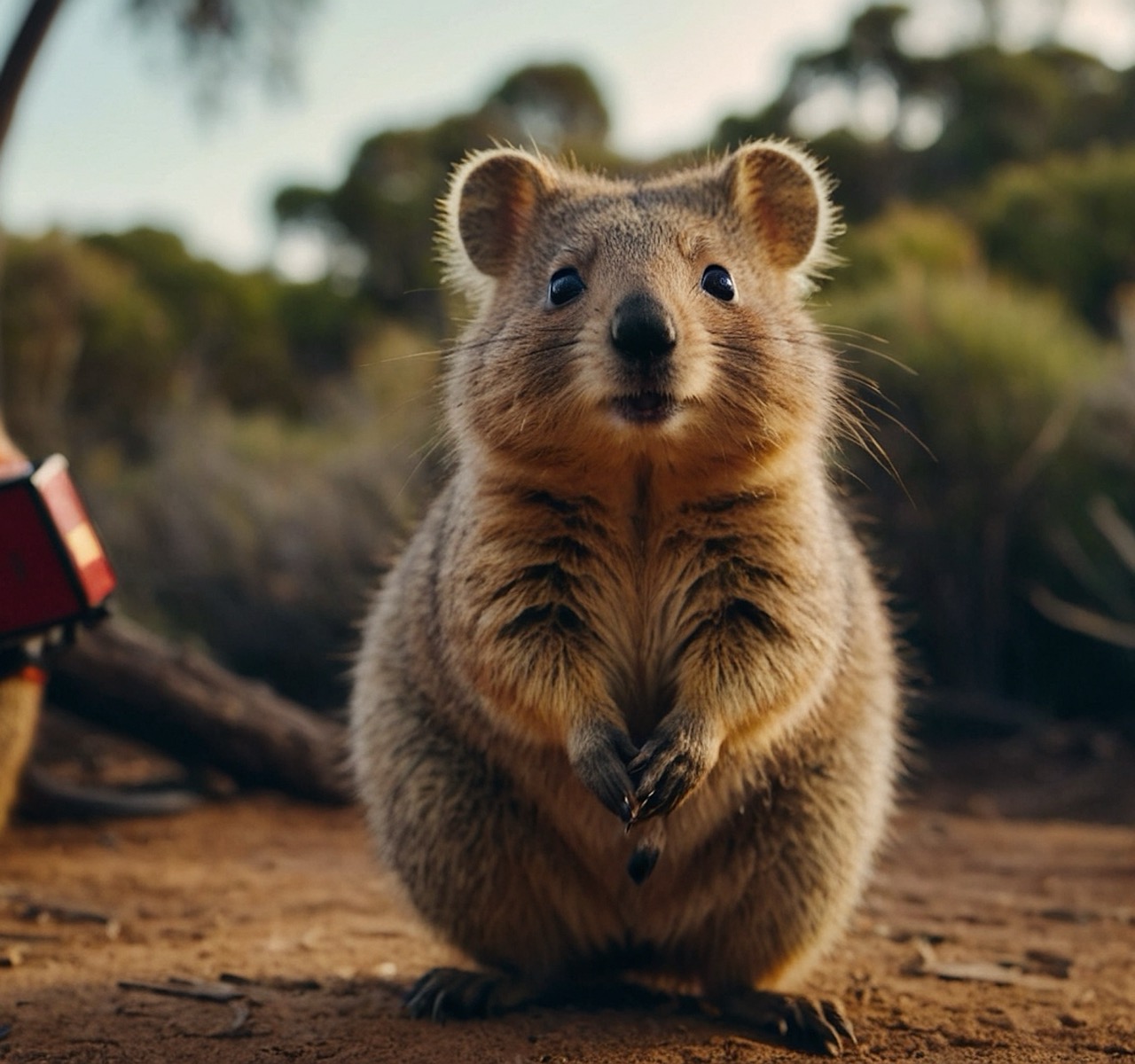
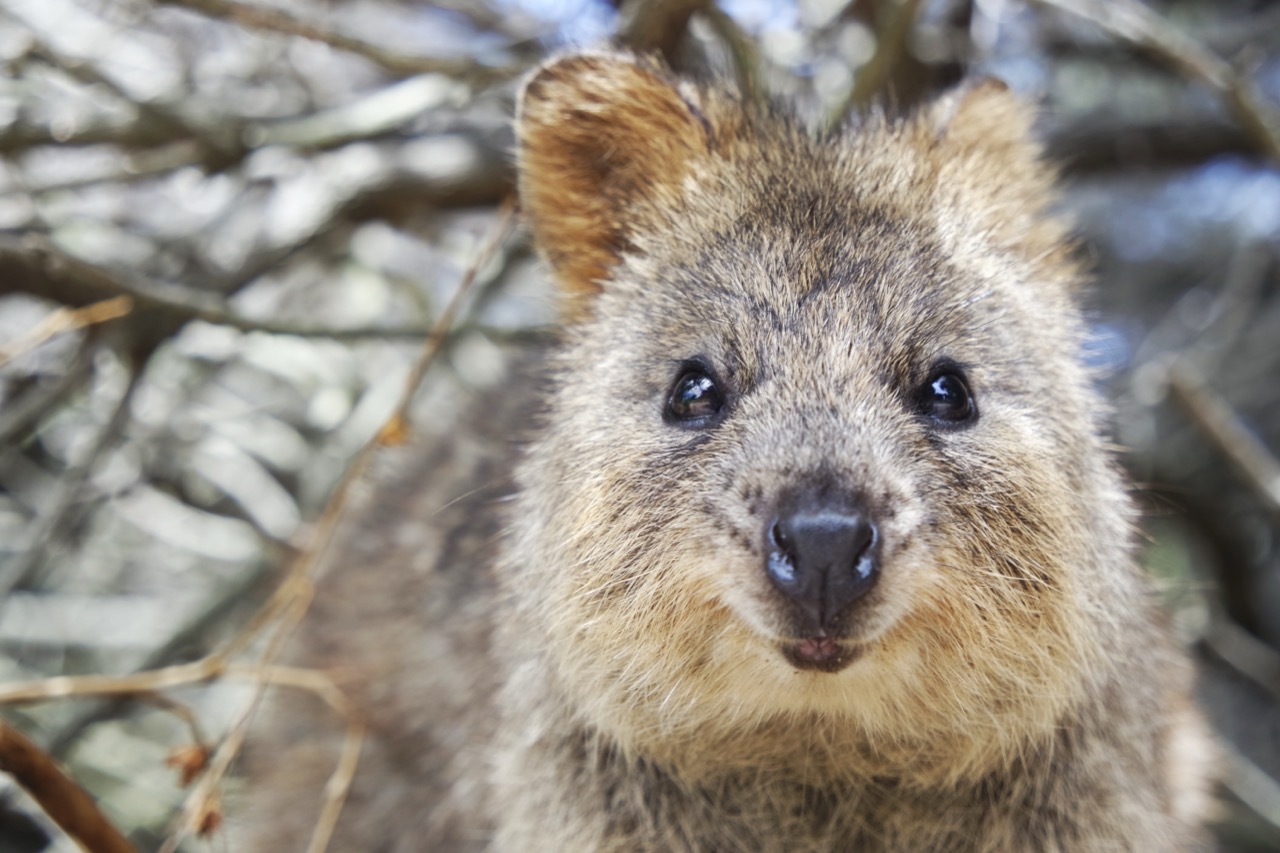
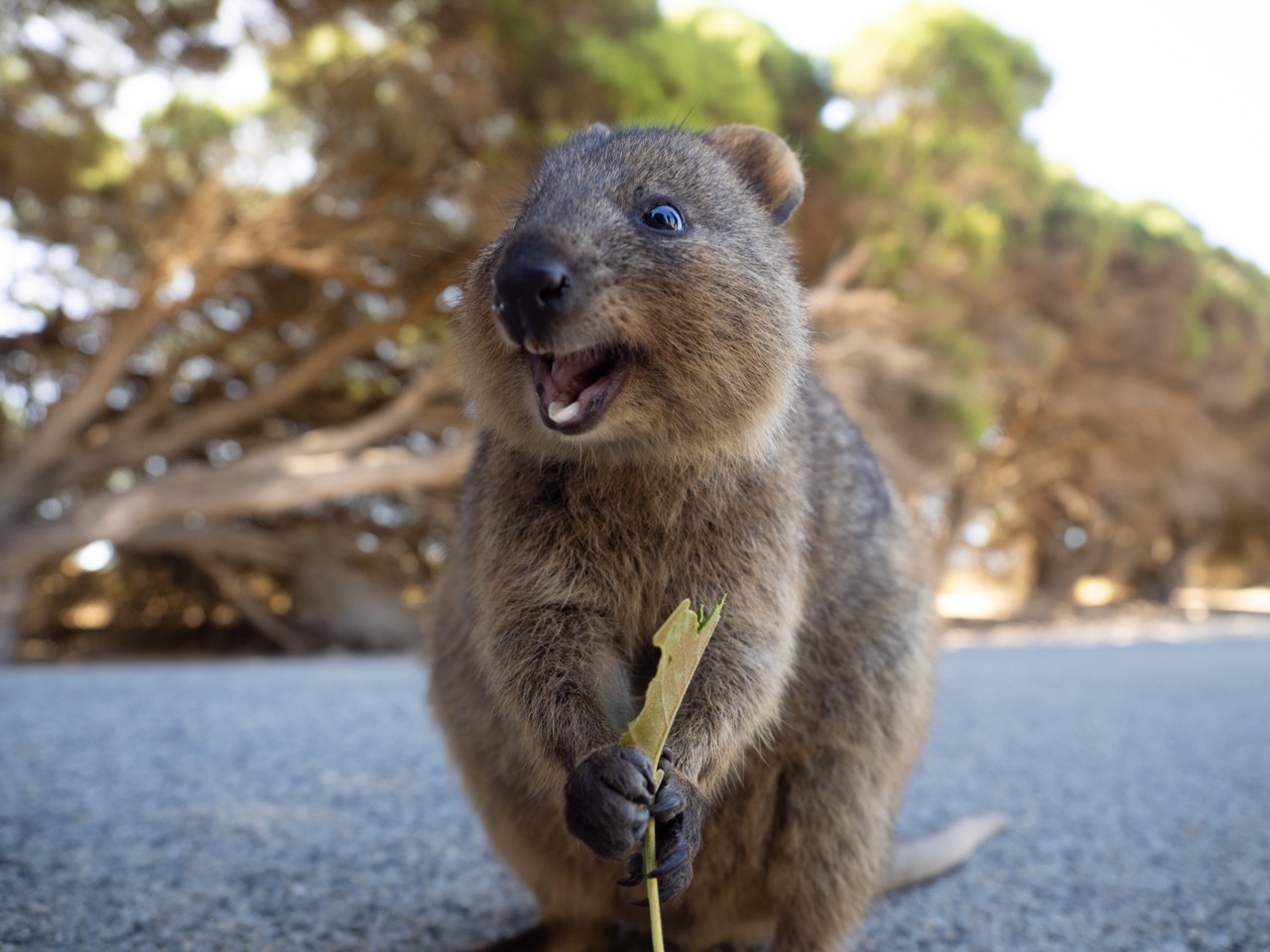
Introduction The animal behind the famous cheerful photos is the quokka, a small marsupial best known from Rottnest Island off Western Australia. Its seemingly smiling expression and calm behavior around people have made it a wildlife celebrity. Yet the quokka is not a pet, not a toy, and not always as carefree as it looks. Learning how it lives reveals a tough, adaptable survivor shaped by dry landscapes, limited resources, and the pressures of predators and habitat change.
Habitat and where quokkas really live Rottnest Island is the quokka’s most famous home, but it is not the only one. Quokkas also live in parts of southwestern Western Australia, especially in dense vegetation near swamps, creeks, and forested areas where cover is thick. On the mainland, they are much harder to spot because they are more wary and face more threats. Islands like Rottnest provide a safer setting because some introduced predators are absent, allowing quokkas to move about more openly.
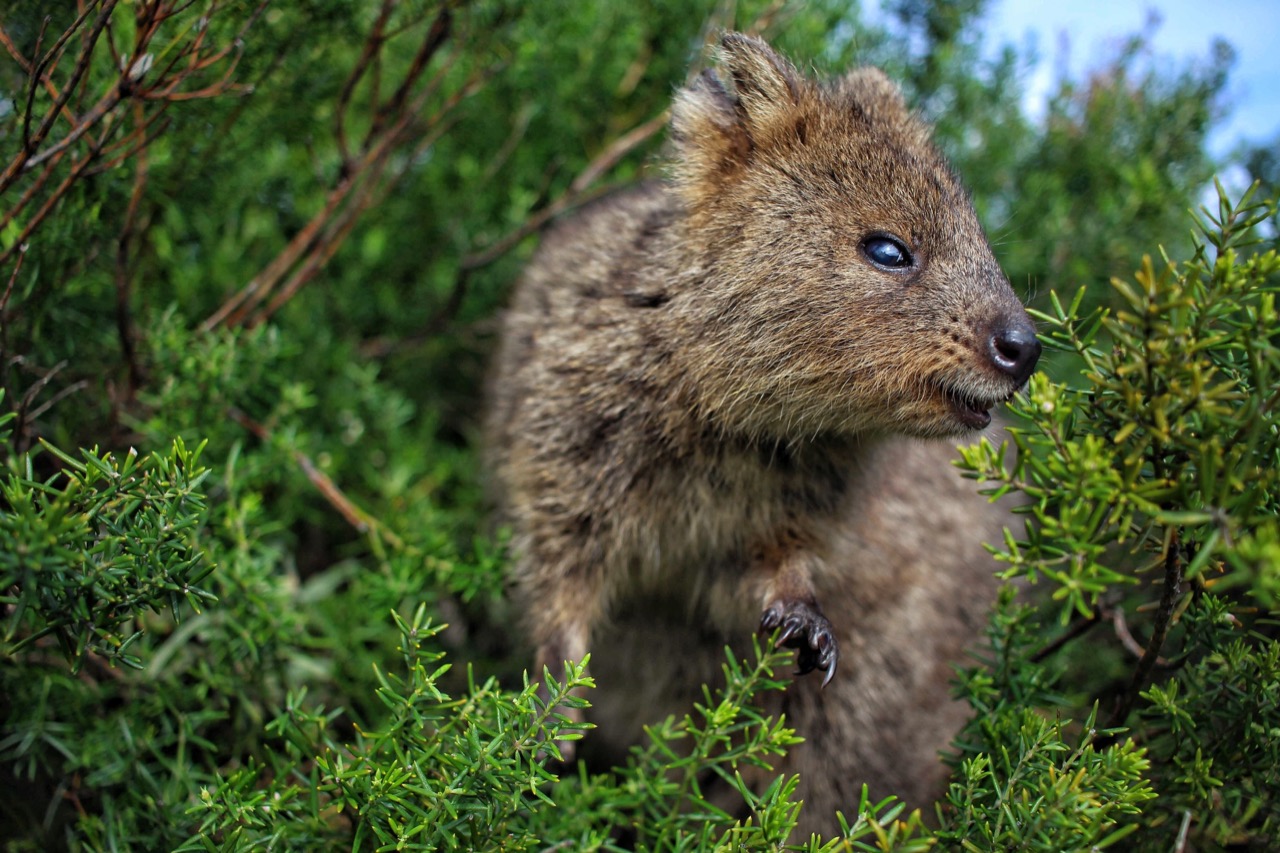
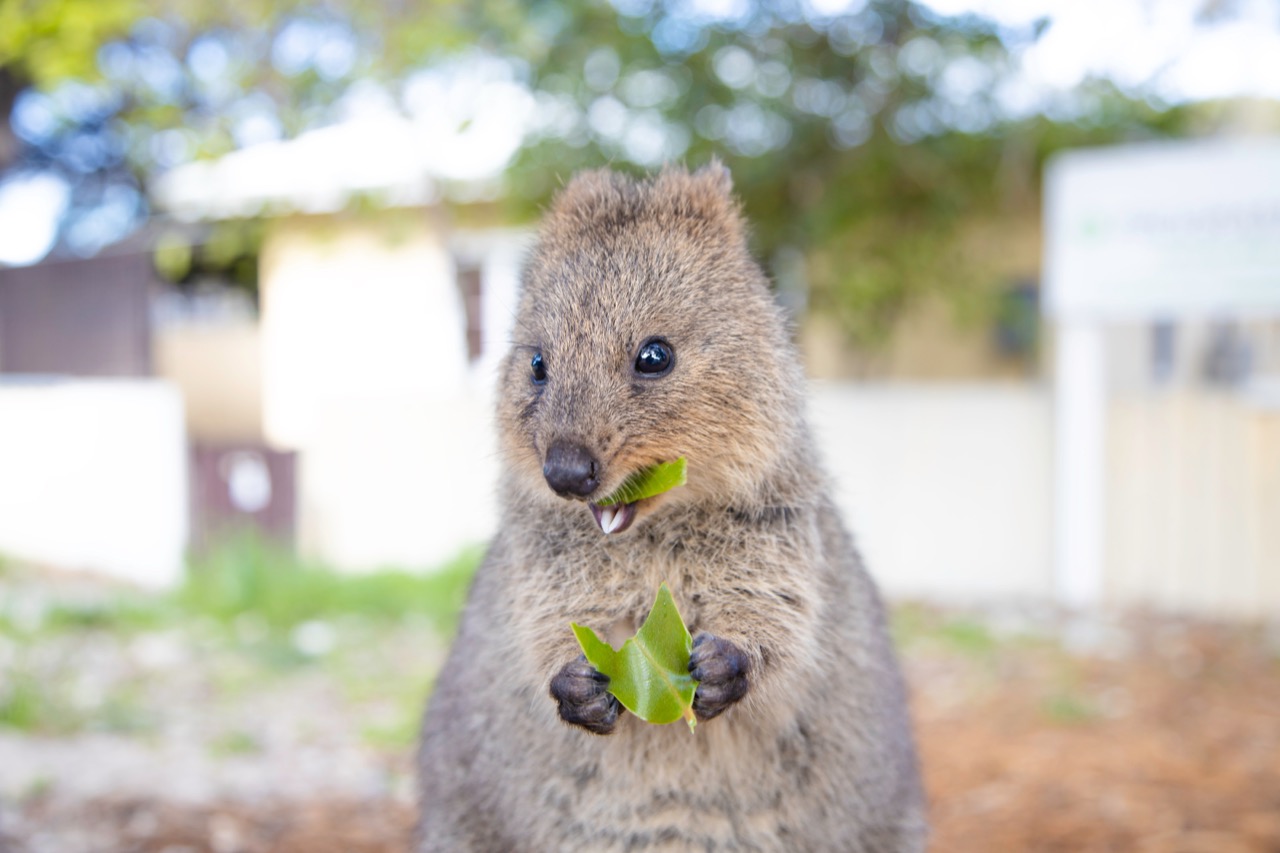
Diet and the myth of constant freshwater Quokkas are herbivores that browse on a wide range of plants, including grasses, leaves, stems, and sometimes succulents. Their diet shifts with the seasons and what is available. One common assumption is that they must drink lots of water, but quokkas are adapted to dry conditions. They can get much of their moisture from the plants they eat, and they tend to feed at times when vegetation holds more water, such as early morning or evening. Like many marsupials in dry environments, they reduce water loss through efficient kidneys and by resting during hotter parts of the day.
Behavior, movement, and daily life Quokkas are mostly nocturnal or crepuscular, meaning they are more active at night and around dawn and dusk. This helps them avoid heat and conserve energy. They move with a hopping gait typical of macropods, the group that includes kangaroos and wallabies, but their size and build suit short bursts of movement through dense undergrowth. During the day they often shelter in shaded vegetation, which provides protection from heat and reduces exposure to predators.
Reproduction and survival strategies As marsupials, quokkas give birth to very underdeveloped young that continue growing in the mother’s pouch. Typically, a single joey is raised at a time. The young spends months in the pouch before emerging, and even after it leaves, it may still return for safety. Quokkas can time reproduction to favorable conditions, and females may have a reproductive backup strategy seen in some marsupials, where development can pause until conditions are right. This flexibility helps them cope with unpredictable food and water availability.
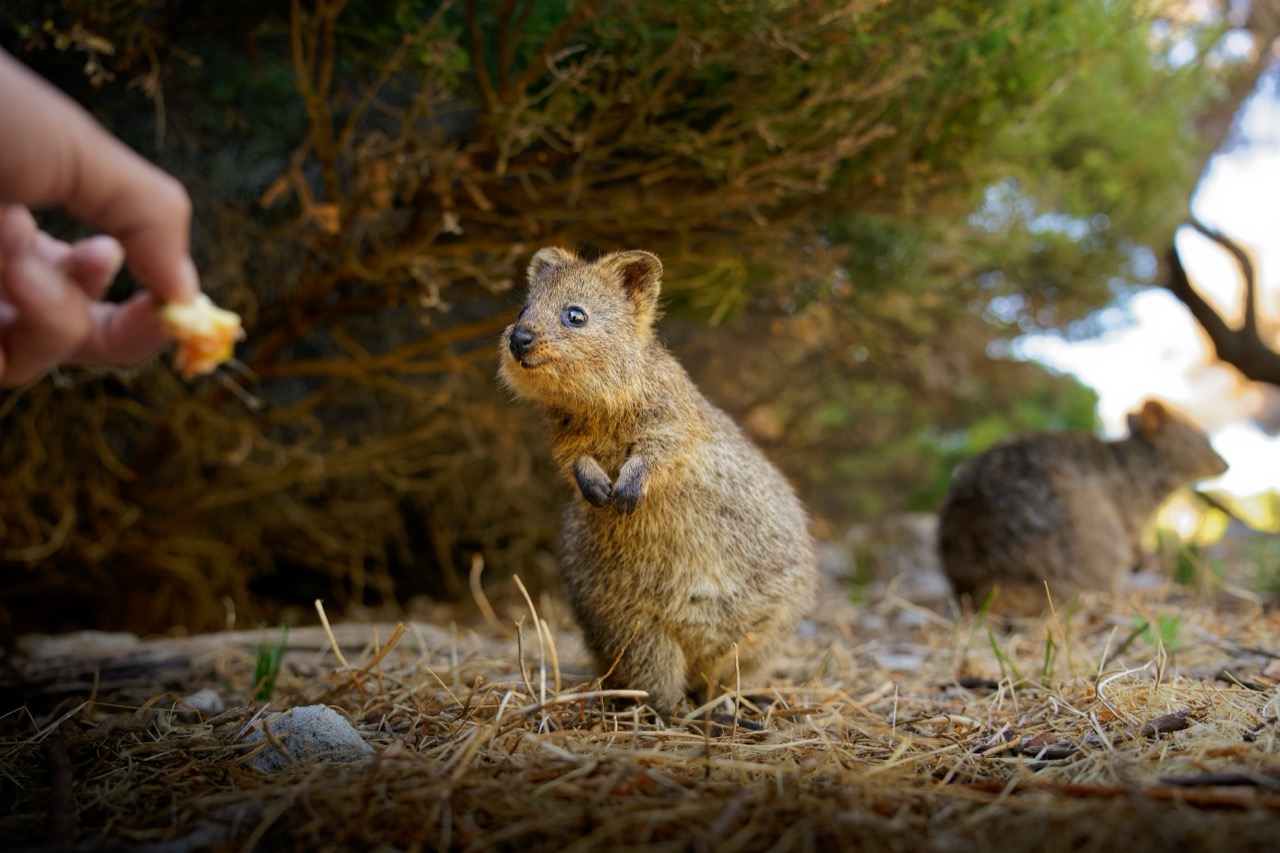
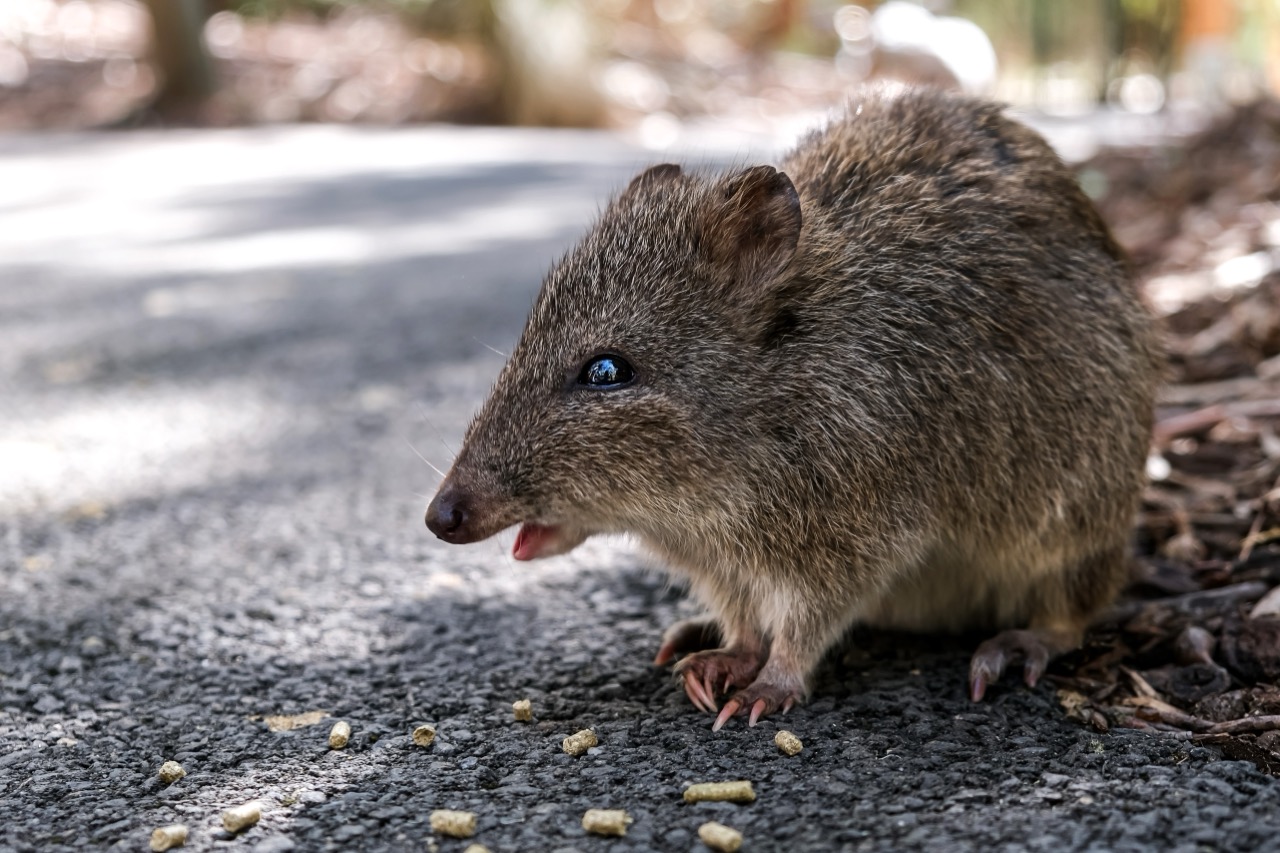
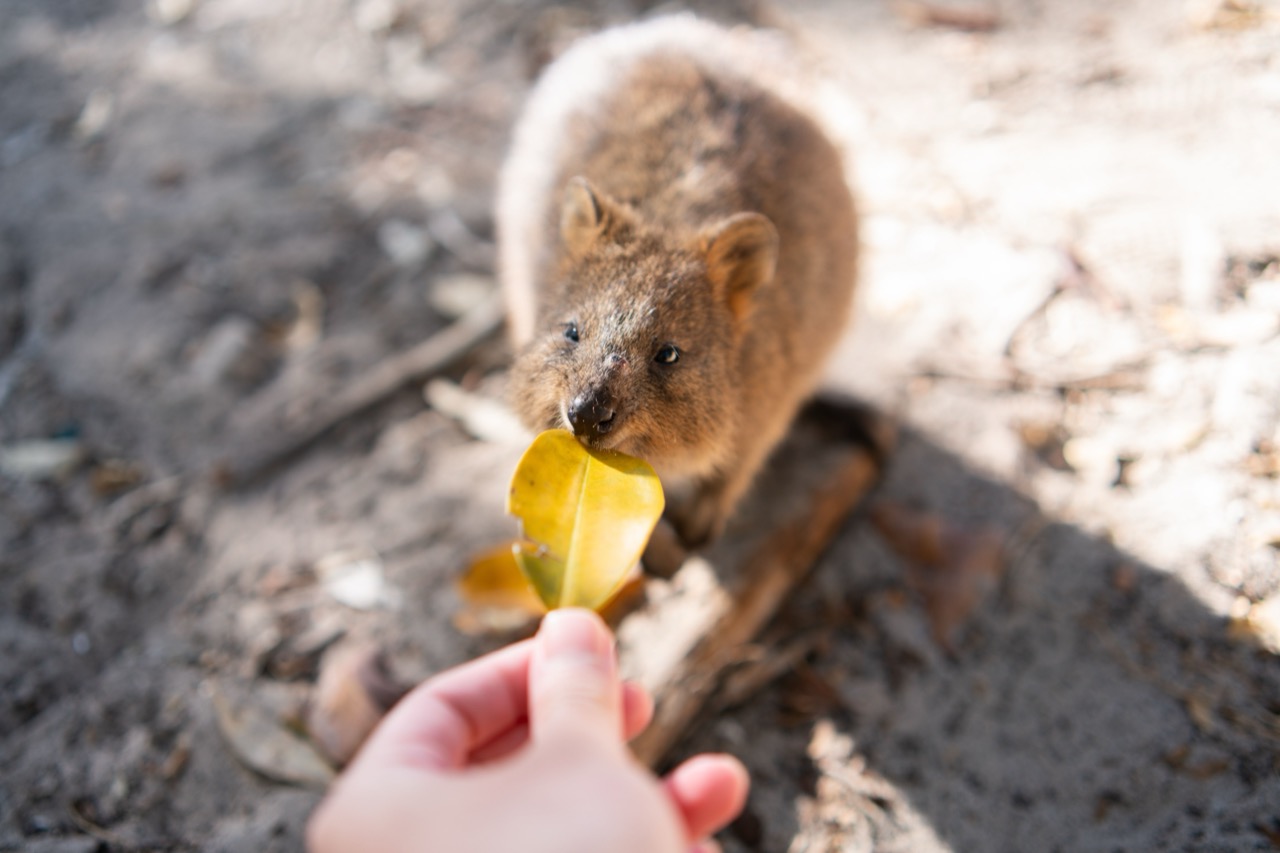
Relatives and conservation realities Quokkas are closely related to wallabies and kangaroos, even if their small size makes them seem very different. Their conservation story depends on location. Island populations can be relatively stable, while mainland populations are more vulnerable due to habitat loss, fragmentation, and predation by introduced animals such as foxes and cats. Human attention brings both benefits and risks. Protection and education help, but feeding wildlife and getting too close can harm quokkas by disrupting their diet, increasing disease risk, and encouraging unsafe behavior around roads and people.
Conclusion The quokka’s fame is built on a friendly face, but its real appeal lies in its biology and resilience. It is a well-adapted herbivore that can handle dry conditions, adjust its behavior to avoid heat, and raise its young in the distinctive marsupial way. Understanding these details makes the quiz more than a game: it becomes a window into how animals survive in challenging environments and why respectful wildlife viewing matters.