Wrinkled Royalty: The Squish-Faced Canine Challenge




Quiz Complete!
Wrinkled Royalty: Discovering the Charm and History of Pugs
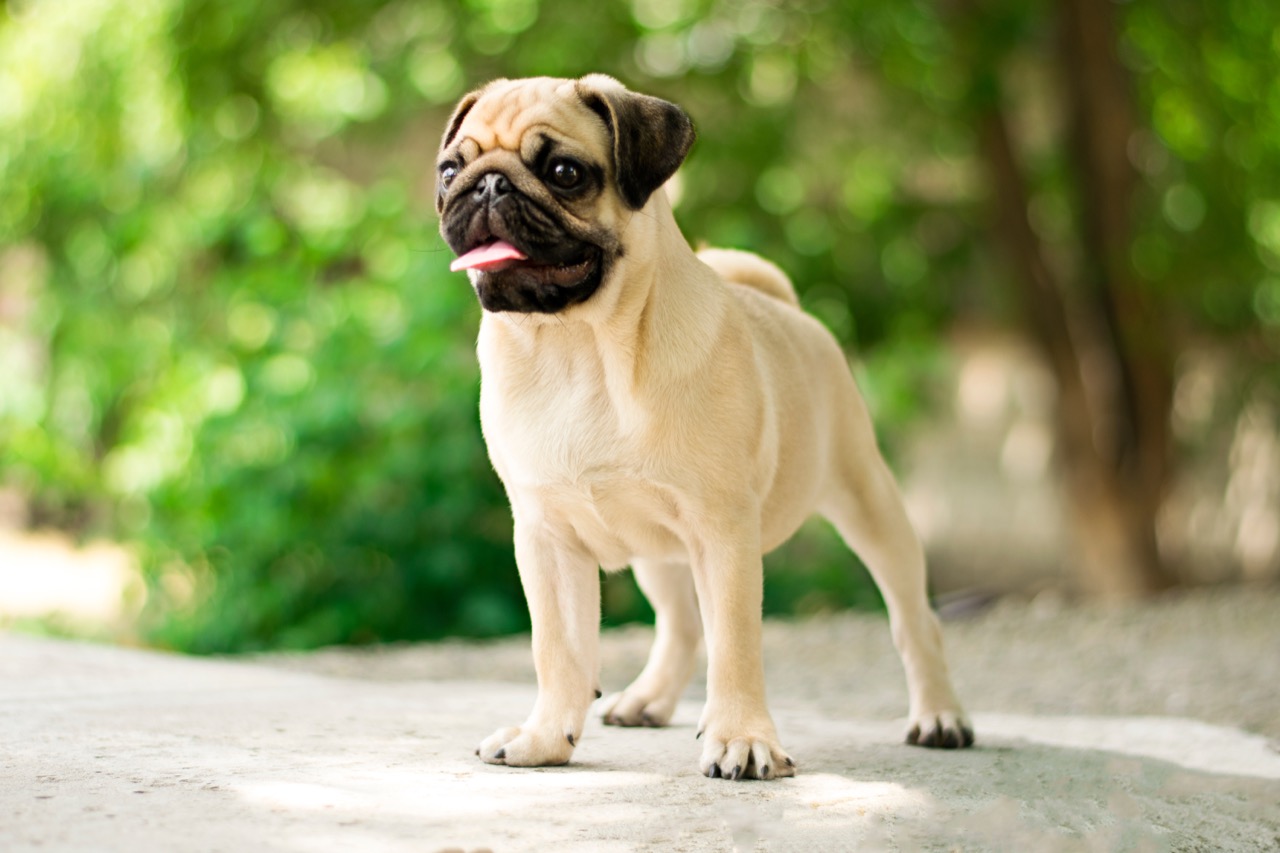
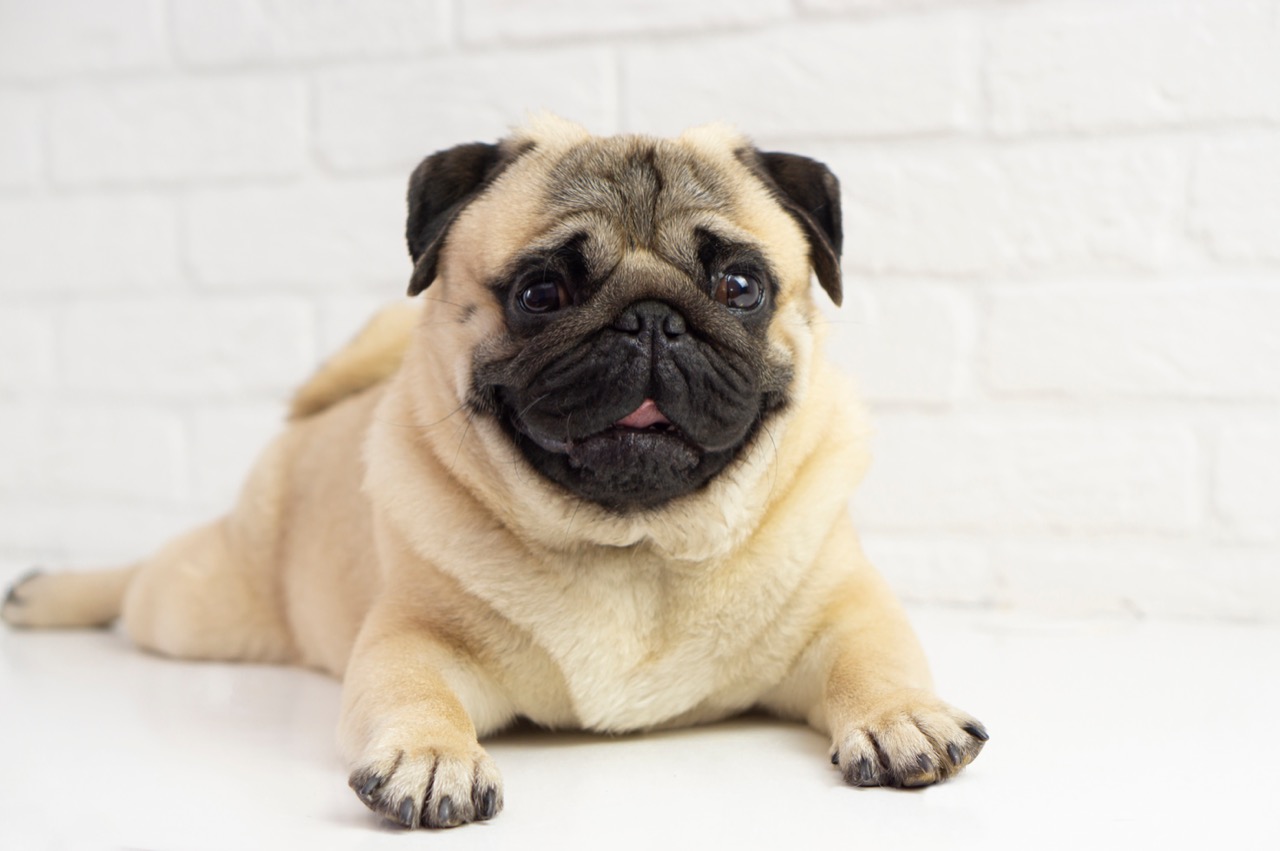
Few dog breeds are as instantly recognizable as the pug. With their round heads, flat faces, and deep wrinkles, these small dogs have an outsized presence wherever they go. Behind the comical snorts and clownish behavior lies a surprisingly rich history that stretches from ancient palaces to modern social media fame.
Pugs are believed to have originated in China more than 2,000 years ago. They were bred as companion dogs for royalty and wealthy families, living lives of luxury in imperial courts. Their compact size and affectionate nature made them ideal lap dogs, and their distinctive faces and wrinkles quickly became part of their appeal. Over time, traders and travelers brought these dogs to Europe, where they found new admirers in royal households. In the Netherlands, pugs were associated with the House of Orange, and in England they became favorites of Queen Victoria.
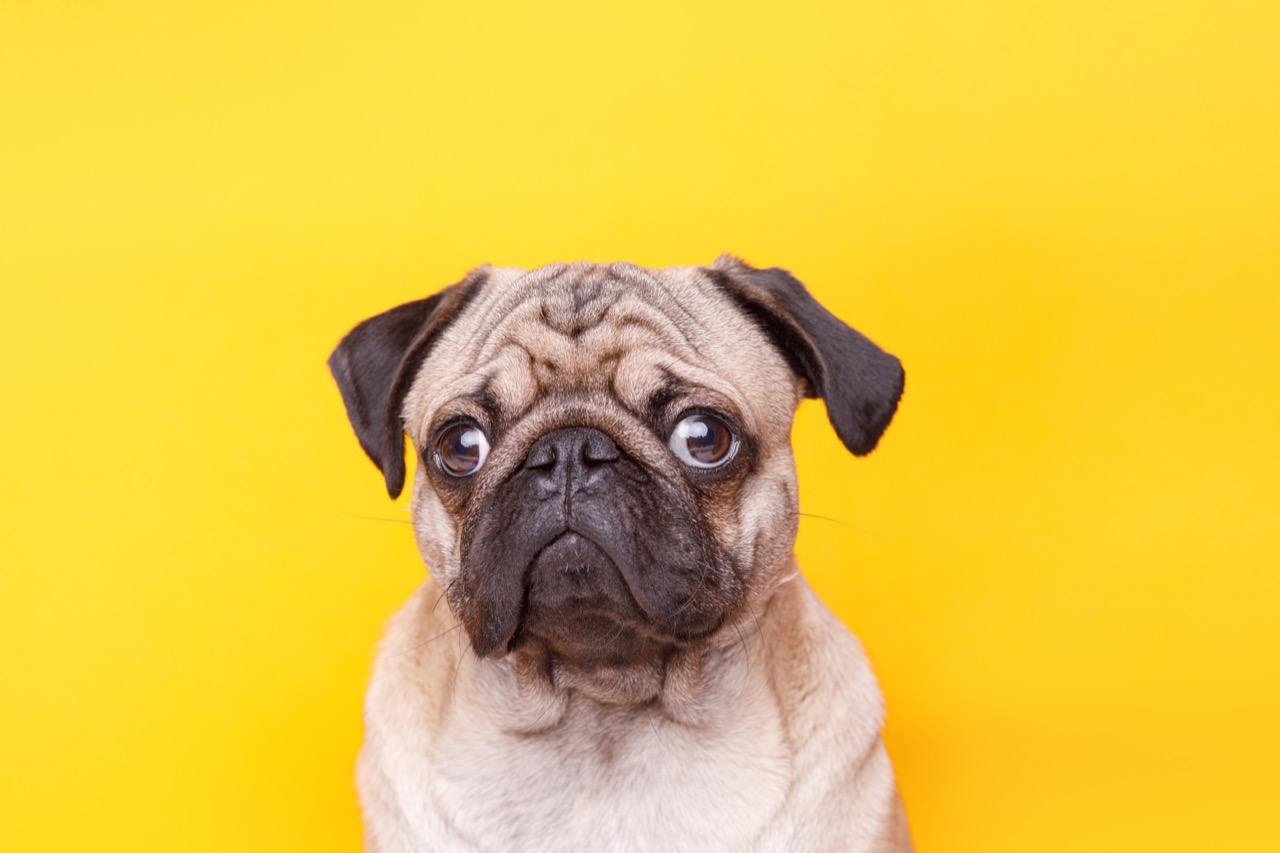
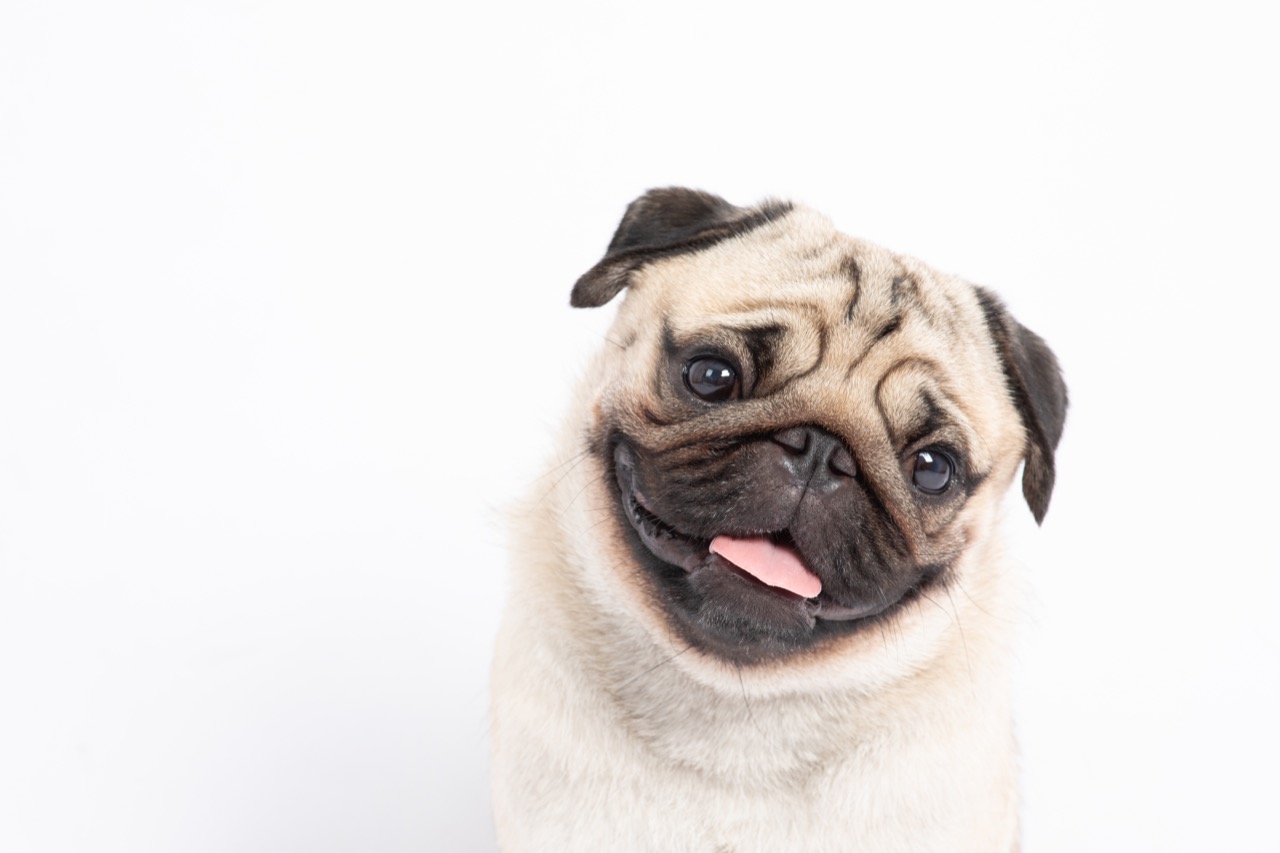
The signature look of a pug is no accident. Their short snout, large round eyes, and wrinkled forehead are the result of selective breeding. Those deep folds on their faces once inspired stories and legends, with some people imagining secret messages or symbols hidden in the pattern of the wrinkles. While that may be more myth than fact, the wrinkles do give pugs their famously expressive faces. A slight tilt of the head or furrow of the brow can make them look curious, worried, or ready to play.
However, that unique appearance comes with some health considerations. Because pugs are a brachycephalic breed, meaning they have a shortened skull and flat face, they can be prone to breathing difficulties. Their narrow airways and compact noses can lead to snoring, snorting, and loud sleeping sounds that many owners find endearing. At the same time, responsible owners need to watch for signs of overheating or labored breathing, especially in hot weather or during intense exercise. Keeping them at a healthy weight and avoiding extreme temperatures helps protect their respiratory health.
Their wrinkles also need regular care. Dirt and moisture can collect in the folds, which may cause irritation or infection if not cleaned gently and frequently. A soft cloth and mild cleanser, along with routine grooming, go a long way toward keeping a pug comfortable and healthy. Their short coat sheds more than many people expect, so brushing helps reduce loose hair and keeps their skin in good condition.
In terms of personality, pugs are often described as playful, affectionate, and slightly mischievous. They tend to thrive on human attention and are usually happiest when they are close to their families. Many pugs have a natural sense of humor, turning everyday moments into small performances with their antics and dramatic expressions. Despite their royal history, they are generally down to earth, getting along well with children and other pets when properly socialized.
Modern pugs have found a second kind of royalty online. Their expressive faces, funny sounds, and compact bodies make them popular stars in photos and videos. Yet beneath the internet fame, they remain what they have always been: loyal companions bred to be close to people. Whether you are a longtime pug owner or simply someone who admires them from afar, learning about their history, health, and behavior adds another layer of appreciation to every snort, wrinkle, and wagging tail.